

Thinking about pig farming in Australia? It’s a whole world out there, with different regions doing things their own way. We’re going to look at what’s working, what’s tough, and where things might be headed in the Australian pork scene. From picking the right pigs to dealing with the weather and rules, there’s a lot to consider for anyone involved in swine farming in Australia.
Key Takeaways
- Choosing pig breeds suited to Australia’s varied climates, like Duroc for warmer areas or Large White for milder spots, is key for farm success.
- Adapting pig housing to local weather, using cooling systems in the north and better insulation in the south, helps keep pigs healthy and productive.
- Strict biosecurity measures are vital to protect herds from diseases, especially with Australia’s import restrictions on genetics.
- Managing pig waste through methods like biogas recycling or composting is important for meeting environmental rules and keeping communities happy.
- Using farm management software and automated feeding systems can boost efficiency and help farmers stay competitive in the Australian market.
Understanding the Australian Swine Farming Landscape
Key Regions for Swine Farming Operations
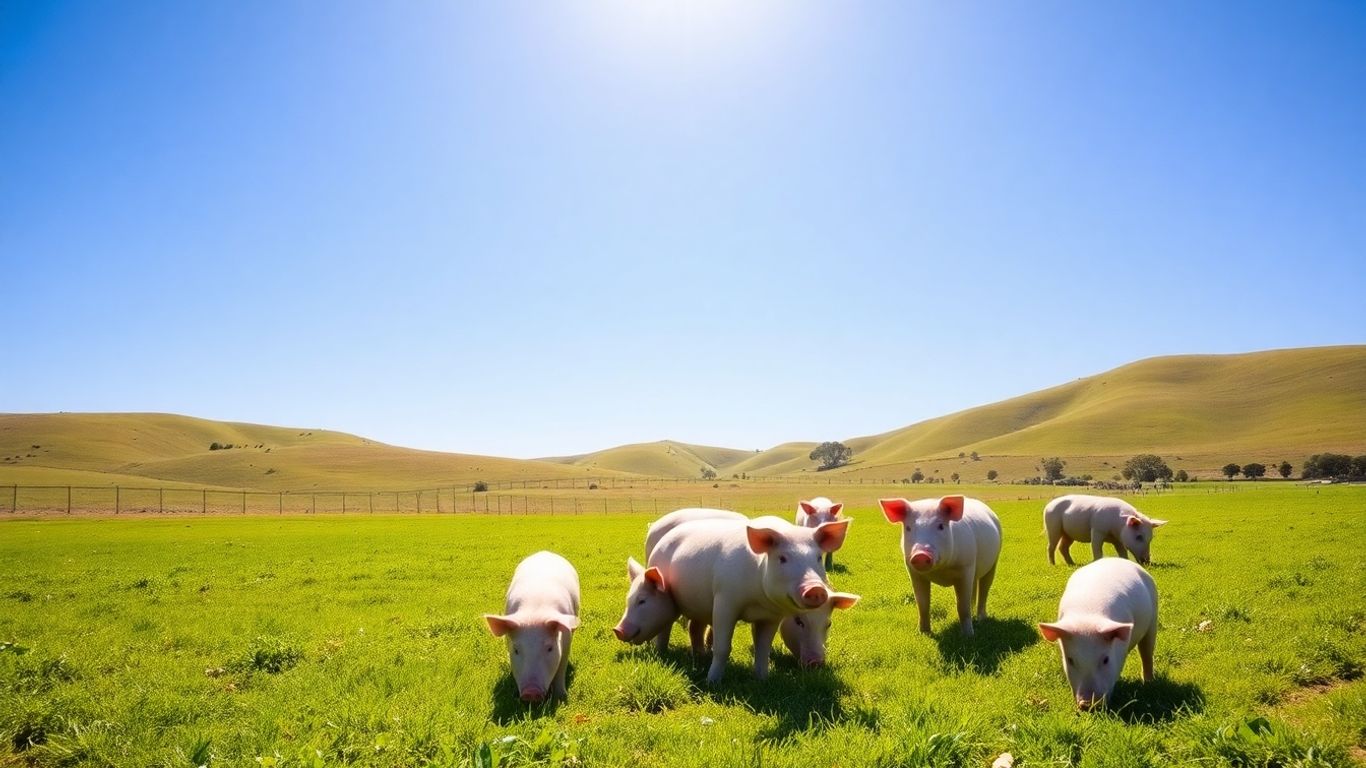
Australia’s pig farming scene is spread across several key agricultural areas, each with its own advantages. Think of the Riverina in New South Wales, known for its access to major markets like Sydney, which helps boost pork sales. Then there’s the Darling Downs in Queensland, a grain-rich area that supports environmentally friendly farming practices. Victoria’s Goulburn Valley is also a big player, thanks to its really good soils that help maximize pork output. Even smaller farms in South Australia are important, working to keep up with what consumers want. Western Australia often focuses on the export side of things.
| Region | Opportunity | Benefits |
|---|---|---|
| Riverina, NSW | Access to Sydney markets | Increased pork sales |
| Darling Downs, QLD | Grain-rich areas | Environmentally friendly |
| Goulburn Valley, VIC | High-quality soils | Maximum pork output |
Economic Drivers of the Pork Industry
Several things really push the pork industry forward here. For starters, meeting consumer demand for pork is a big one. People want pork, and farmers are working to supply it. Then there’s the drive for profitability, which means farmers are always looking for ways to cut costs and get more from their animals. Hedging feed prices, for example, can really help stabilize costs, especially in places like New South Wales. Using energy-efficient methods in Queensland can also lead to long-term savings. It’s all about making the farm financially sound.
The success of pig farms relies heavily on choosing breeds that can thrive in specific areas. Picking pigs that can handle various conditions, like Duroc, Large White, or Landrace, is a smart move.
Contribution to Regional Economies
Pig farming isn’t just about producing pork; it’s a significant contributor to the economies of the regions where it’s based. These farms provide jobs, both directly on the farm and in related industries like feed supply, transport, and processing. They also support local businesses through their operations. For instance, farmers in Tasmania might focus on the free-range pork market, tapping into demand from specialty food stores and boosting the local economy that way. It’s a cycle where the farm’s success ripples out into the wider community.
Strategic Approaches to Swine Farming Success
Getting your pig farm set up for success in Australia means thinking ahead and making smart choices from the start. It’s not just about having pigs; it’s about how you raise them, what breeds you pick, and how you manage the whole operation. Choosing the right pig breeds and housing that fit our unique Australian climate is a big part of that.
Selecting Resilient Pig Breeds for Australian Climates
When you’re picking out pigs, you’ve got to consider what works best here. Some breeds just handle the heat or the occasional cold snap better than others. We want pigs that are not only productive but also tough enough to thrive without needing constant, intensive climate control. Think about breeds known for their adaptability and good mothering skills, as these traits can really cut down on losses and improve overall herd health. It’s about finding that sweet spot between genetic potential and environmental suitability.
Designing Climate-Adapted Pig Housing
Australian weather can be pretty extreme, right? So, your housing needs to be more than just a shelter. We’re talking about structures that offer good ventilation to keep things cool in summer and protection from harsh sun. Proper insulation can make a difference, and ensuring there’s good drainage is key, especially if you’re looking at more outdoor or semi-outdoor systems. The goal is to create an environment where pigs can stay comfortable and healthy, which directly impacts their growth and well-being.
Here’s a quick look at some housing considerations:
- Ventilation: Cross-breezes and fans to move air.
- Shade: Ample shaded areas, both natural and built.
- Water Access: Easy access to clean, cool water.
- Flooring: Materials that are easy to clean and provide good footing.
Implementing Robust Biosecurity Measures
Biosecurity is basically protecting your farm from diseases. It’s like putting up a strong fence to keep unwanted visitors out. This means controlling who and what comes onto your property, from people and vehicles to new animals. Strict hygiene practices, like cleaning boots and equipment, are non-negotiable. Having a plan in place to deal with any suspected disease outbreak quickly can save your entire herd. It’s a constant effort, but it’s absolutely vital for keeping your pigs healthy and your farm running smoothly.
Keeping diseases out is far cheaper and less stressful than trying to cure them once they’re in. A good biosecurity plan is your first line of defense.
Navigating Challenges in Swine Farming
Running a pig farm in Australia isn’t always smooth sailing. There are definitely some hurdles we need to jump over to keep things running well and make a decent living. It’s a mix of dealing with what nature throws at us, keeping up with the rules, and just making sure our pigs are healthy and happy.
Addressing Genetic Limitations and Improvement
Sometimes, the pigs we have just aren’t as good as they could be. We might be dealing with breeds that don’t handle our climate well, or maybe they’re not as productive as we’d like. Improving the genetics is a big deal. It means looking at different breeds and seeing which ones do best here. Crossbreeding can really help, giving us pigs that are tougher and grow better. It’s about finding that sweet spot where the pigs are suited to Australia’s conditions and still meet what people want to buy.
- Selecting breeds suited to Australian climates is key.
- Crossbreeding can boost resilience and productivity.
- Conforming to breed standards helps ensure good quality genetics.
Managing Feed Costs and Sourcing
Feed is a huge part of the cost on any pig farm. Prices can go up and down, and sometimes it’s hard to get what you need. We have to be smart about how we buy feed, maybe buying in bulk when prices are good. Finding reliable suppliers is also important. If we can manage our feed costs well, it makes a big difference to our bottom line.
Keeping a close eye on feed expenses and finding cost-effective sourcing options are vital for maintaining profitability in the Australian pork industry.
| Strategy | Benefit | Region Example |
|---|---|---|
| Bulk feed purchase | Cost management | New South Wales |
| Direct sales | Increase revenue | Victoria |
| Value-added products | Diversify income | Queensland |
Overcoming Regulatory Hurdles and Compliance
There are a lot of rules and regulations we have to follow. Things like environmental standards, animal welfare laws, and biosecurity measures. Staying on top of all these can be a challenge. It means keeping good records, making sure our facilities meet the standards, and always being aware of any changes in the rules. It’s a lot of paperwork, but it’s necessary to keep our farms running legally and responsibly.
Leveraging Technology and Innovation
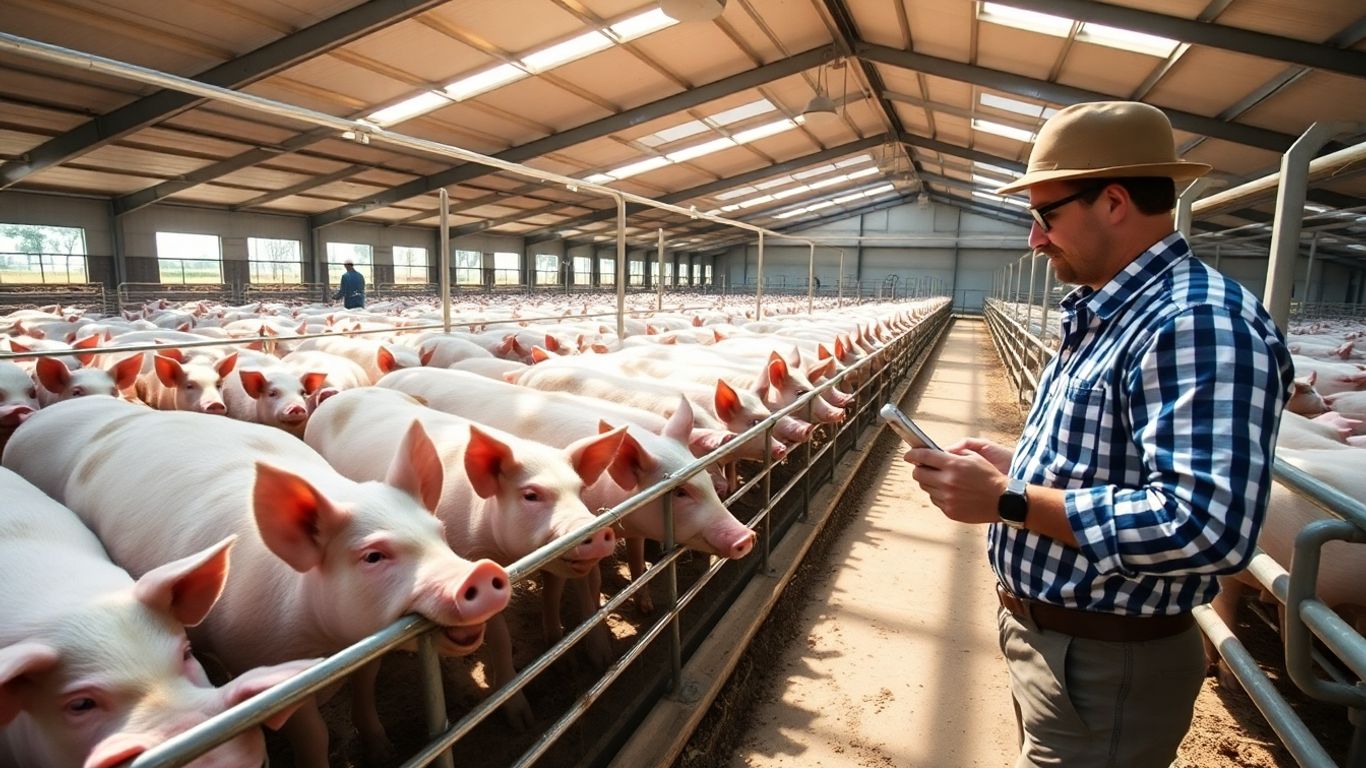
It’s pretty amazing how much technology is changing the way we raise pigs in Australia. We’re not just talking about fancier barns; it’s about making things smarter, more efficient, and ultimately, better for the animals and the bottom line. Adopting these advancements is key to staying competitive and meeting the growing demand for quality pork.
Utilizing Farm Management Software
Think of farm management software as the central nervous system for your operation. It helps keep track of everything, from individual pig health records to feed inventory and financial data. This kind of detailed tracking can really boost productivity. For instance, knowing exactly how much feed each group of pigs is consuming can highlight areas where efficiency can be improved. It’s about making data-driven decisions instead of just guessing.
Implementing Automated Feeding Systems
Automated feeding systems are a game-changer, especially when you’re dealing with a lot of pigs. These systems can dispense the right amount of feed at the right time, reducing waste and ensuring pigs get consistent nutrition. This not only saves labor costs but also contributes to better growth rates. Some systems even allow for customized feed mixes based on the specific needs of different age groups or breeds, which is pretty neat.
Exploring Health Monitoring Technologies
Keeping pigs healthy is always the top priority, and new technologies are making this easier. We’re seeing more use of things like sensors and even wearable devices that can monitor a pig’s temperature, activity levels, and other vital signs. Early detection of illness means quicker treatment and fewer losses. This proactive approach to animal health is a big step forward for the industry. It’s also about improving animal welfare, which is something consumers care a lot about. You can find more details on the Australian pork market and its growth prospects in reports like those from Renub Research, which offer valuable insights for industry stakeholders looking at the Australian pork meat market.
The integration of technology isn’t just about keeping up; it’s about building a more resilient and profitable future for Australian swine farming. From precise feeding to early health detection, these tools help manage resources better and improve overall farm performance.
Embracing Sustainable Swine Farming Practices
Making pig farming good for the environment is a big deal these days. It’s not just about raising pigs; it’s about doing it in a way that doesn’t mess up the planet for later. This means looking at everything from how we manage waste to how the pigs live their lives.
Managing Pig Waste for Environmental Sustainability
Dealing with pig waste effectively is key to staying on the right side of environmental rules. It’s a messy job, but important. We need systems that treat the waste properly, so it doesn’t pollute our water or soil. Composting is a good option, turning manure into fertilizer that can actually help the land. Some farms are even turning waste into biogas, which is a renewable energy source. That’s a win-win: clean up the farm and make power.
Here’s a quick look at some waste management ideas:
- Effluent Treatment Systems: These are designed to clean up the liquid waste from the farm.
- Composting: This process breaks down solid waste, reducing odors and creating useful fertilizer.
- Biogas Production: Using waste to create methane gas for energy is a smart way to recycle.
Proper waste management isn’t just about following rules; it’s about being a good neighbor and protecting the natural resources we all depend on. It shows a commitment to the land and the community.
Adopting Outdoor Farming Systems
Raising pigs outside, especially in systems where they can move around, has a lot of benefits. It can reduce feed costs because they can forage, and it’s often better for the pigs’ well-being. Think about using rotational paddocks; this means moving the pigs to fresh areas of pasture regularly. This helps prevent soil erosion and keeps the land healthy. It’s a way to farm that works with nature, not against it.
Some farms are looking at agroforestry, which means integrating trees into the farming system. This can provide shade for the pigs and improve the overall environment. Tasmania has farmers who are doing well with pasture-based farming, meeting the demand for pork that people feel good about eating.
Investing in Renewable Energy Sources
Farms can also cut their carbon footprint by using renewable energy. Solar panels are a great example. Putting them on farm buildings can provide a lot of the electricity needed to run the operation. This reduces reliance on power from fossil fuels and can save money in the long run. It’s about making the farm more self-sufficient and environmentally friendly at the same time. Using renewable energy is a smart move for the future of farming.
Enhancing Pork Marketability and Profitability
Making sure the pork you raise actually sells and brings in good money is a big part of running a successful farm. It’s not just about raising healthy pigs; it’s about connecting with people who want to buy your pork and making sure they keep coming back. This means paying attention to what customers want and figuring out smart ways to get your product to them.
Marketing Pork Products to Meet Consumer Demands
Today’s shoppers are pretty savvy. They care about where their food comes from, how the animals were treated, and if it’s good for them. Highlighting things like free-range practices or specific welfare standards can really make your pork stand out. Think about using social media to show off your farm and your pigs – it’s a direct line to potential customers. We also need to consider that Australian pigs are often marketed at a lighter weight, producing leaner cuts that might be unfamiliar to some consumers. This means we might need campaigns to show people how to cook these cuts, similar to what other countries do.
Building Community Relationships for Farm Success
Being a good neighbor and part of the local community is more than just being polite; it can actually help your business. When people in your town or region know and trust your farm, they’re more likely to buy your pork. Composting manure, for example, not only helps the environment but also reduces odors, which makes your farm a better neighbor. Supporting local events or partnering with local businesses can also build goodwill. It’s about creating a positive image that goes beyond just the product itself.
Developing Financial Strategies for Stability
Farming can be a rollercoaster, financially speaking. Feed costs go up and down, and market prices can change quickly. To stay steady, it’s smart to have a plan. This could involve looking at different ways to use by-products from the farm, which can cut costs and even create new income streams. Keeping a close eye on expenses and prioritizing markets that pay well for quality pork are key. Having a solid financial plan helps the farm weather tough times and be ready to grow when opportunities arise.
Here’s a look at how different marketing angles can appeal to consumers:
- Health and Welfare: Emphasize humane treatment and animal well-being.
- Origin Story: Share details about your farm and its location.
- Product Quality: Highlight the taste, leanness, or specific cuts of your pork.
- Sustainability: Showcase environmentally friendly farming methods.
Success in selling pork often comes down to understanding your customer and adapting your product and message to meet their expectations. It’s a continuous process of learning and adjusting.
Workforce Development in Swine Farming
Keeping a pig farm running smoothly really comes down to the people working there. You can have the best setup and the healthiest pigs, but if your team isn’t up to speed, things can go sideways pretty fast. It’s not just about having enough hands; it’s about having skilled, motivated people who know what they’re doing.
Training Staff for High-Performance Operations
Getting your staff trained properly is a big deal for productivity. Think about workshops focused on things like keeping the farm biosecure and making sure the pigs are well looked after. These aren’t just nice-to-haves; they directly impact how well the farm performs. Good training helps everyone get better at managing the herd and keeping a close eye on the pigs’ health.
- Herd Management Skills: Understanding pig behavior, nutrition, and reproduction.
- Health Monitoring: Recognizing signs of illness and knowing when to call a vet.
- Biosecurity Protocols: Implementing measures to prevent disease spread.
- Record Keeping: Accurate data entry for tracking performance and compliance.
Investing in your team’s skills is like investing in the farm’s future. It pays off in healthier animals, better production, and fewer problems down the line.
Improving Worker Safety and Equipment Adherence
Safety on a farm is super important. You’ve got machinery, animals, and sometimes challenging conditions. Making sure everyone knows how to use equipment safely and follows the rules is key to avoiding accidents. This means regular check-ins on safety procedures and making sure everyone understands the risks involved. It’s about creating a culture where safety is everyone’s responsibility.
Fostering Mentorship for Skill Enhancement
Sometimes, the best way to learn is from someone who’s been doing it for a while. Setting up mentorship programs, where experienced workers can guide newer staff, can really speed up skill development. It’s a way to pass on practical knowledge and build a stronger, more capable team. This kind of on-the-job learning is invaluable for keeping the Australian pork industry strong and competitive.
Here’s a quick look at how mentorship can help:
| Skill Area | Mentor’s Role |
|---|---|
| Daily Routines | Demonstrating efficient task completion |
| Problem Solving | Guiding through unexpected issues |
| Animal Husbandry | Sharing best practices for pig care |
| Equipment Use | Ensuring safe and correct operation |
| Farm Procedures | Explaining protocols and compliance requirements |
Looking Ahead for Australian Pork
So, what’s the takeaway from all this? Australian pig farming has a lot going for it, but it’s not without its hurdles. We’ve seen how important it is to get the right breeds for different areas, manage costs like feed, and keep up with all the rules. Plus, using new tech can really make things run smoother. Focusing on what works in places like Victoria or Queensland, and really listening to what customers want, seems like the way to go. It’s a complex business, for sure, but with smart planning and a willingness to adapt, the future looks pretty good for Aussie pork producers.
Frequently Asked Questions
What are the main areas in Australia for raising pigs?
Pigs are mostly raised in areas like the Riverina in New South Wales, the Darling Downs in Queensland, and the Goulburn Valley in Victoria. These places have good conditions for farming.
What kind of pigs do Australian farmers raise?
Farmers often choose breeds like Duroc, Large White, or Landrace. These breeds do well in different Australian weather and are good for selling meat.
How do Australian farmers keep their pigs healthy and safe from sickness?
Farmers use strict rules called biosecurity to stop diseases from spreading. This includes keeping things clean and watching the pigs closely for any signs of illness.
What new technologies are being used in Australian pig farms?
Many farms are using computer programs to help manage their operations. They also use machines for feeding pigs automatically and devices to check on the pigs’ health.
How do Australian farmers make their pig farms good for the environment?
Farmers are working to be more eco-friendly by managing pig waste carefully, like turning it into fertilizer or energy. Some are also using outdoor farming methods and solar power.
What are the biggest problems Australian pig farmers face?
Some major challenges include the cost of feed, making sure the pigs have good genetics since importing new ones is hard, and following all the government rules. They also need to make sure their pork is what customers want to buy.