

Thinking about raising animals? It’s a big step, but totally doable, whether you’re just starting out in your backyard or looking to expand an existing operation. There’s a lot to learn, from picking the right animals to making sure they’re healthy and happy, and even figuring out how to sell what you produce. This guide is here to give you some solid tips on animal farming to get you going and keep you moving forward.
Key Takeaways
- When choosing livestock, consider goats for their versatility, poultry for their quick turnaround, and cattle for their established role in agriculture.
- Good animal husbandry involves smart breeding, providing the right food, and understanding the specific needs of each animal, like goats.
- Making your farm work well means thinking about how you use your land, managing waste like chicken manure, and treating animals like pigs with care.
- Success in selling your farm products requires a clear business plan and understanding what buyers want.
- Always keep learning by staying up-to-date on farming methods, adapting to changes, and connecting with other farmers for advice and support.
Understanding Your Livestock Choices
Picking the right animals for your farm is a big first step. It’s not just about what you like, but what fits your land, your time, and your goals. Let’s break down some common options.
The Versatile Nature of Goats
Goats are pretty amazing creatures, honestly. They’ve been with us for a long time, and for good reason. They can give you milk, meat, and even fiber. Plus, they’re known for clearing brush, which can be a real help if your land is overgrown. They’re also quite adaptable, which is a plus for new farmers.
- Milk Production: Many breeds are excellent milkers, perfect for cheese or just drinking.
- Meat Production: Certain breeds grow quickly and are raised for their meat.
- Brush Clearing: Their browsing habits make them natural landscapers.
- Fiber: Angora and Cashmere goats provide valuable fiber.
When you’re thinking about goats, remember they are herd animals and need company. They also have a knack for getting into places they shouldn’t, so good fencing is a must. Their nutritional needs are specific, and understanding what makes them healthy is key to avoiding problems down the road.
Exploring the Potential of Poultry
Poultry, like chickens and ducks, are often the go-to for beginners. They don’t take up a lot of space and can provide eggs and meat relatively quickly. Chickens are probably the most common, and for good reason. They’re pretty easy to manage, and their egg-laying can be a steady source of income or food.
- Eggs: A consistent supply of fresh eggs is a major draw.
- Meat: Broiler chickens grow fast, providing meat within a few months.
- Pest Control: Chickens can help manage insects in your fields or garden.
- Manure: Their droppings are a great fertilizer for your soil.
It’s important to protect your flock from predators, as they can be quite vulnerable. Also, think about how you’ll house them, especially during colder months. Providing them with a clean, safe coop is really important for their health and productivity.
Considering Cattle Farming Essentials
Cattle farming is a bigger commitment, both in terms of space and resources. Whether you’re looking at beef or dairy, it requires more land and a solid understanding of pasture management. If you’re just starting out and have limited time, maybe consider ‘dry’ cattle – animals that aren’t being bred. You can buy them and sell them later, which simplifies things compared to managing a breeding herd.
- Beef Cattle: Focus on meat production, often requiring more grazing land.
- Dairy Cattle: Primarily for milk production, needing specific feeding and milking routines.
- Pasture Management: Cattle need good quality grass to thrive, so managing your pastures is critical.
- Breeding Stock vs. Dry Stock: Breeding herds require more intensive management, especially during calving. Dry stock can be simpler for those with less time.
One common pitfall for new farmers is trying to push too much production from the land before understanding its actual capacity. This often leads to needing expensive supplementary feed, which can strain your finances and stress the animals. It’s better to match your herd size to what your land can naturally support.
Foundational Animal Husbandry Practices
Getting the basics right with how you care for your animals is super important. It’s not just about feeding them; it’s about making sure they’re healthy, happy, and can do what they’re supposed to do, whether that’s giving milk, producing meat, or just being a good part of your farm.
Strategic Breeding and Selection
Picking the right animals to breed from is a big deal. You want to choose animals that are healthy, grow well, and have good temperaments. It’s like picking the best players for a team. Over time, if you consistently select the best, your herd or flock will get better and better. This means looking at things like how fast they grow, how much milk they give, or how good their meat quality is. Don’t just breed any two animals together; think about what traits you want to pass on.
- Look at the parents: Are they healthy and productive?
- Consider the offspring: Do they show the traits you want?
- Think long-term: What kind of animal do you want in five or ten years?
Nutrient-Rich Feeding Programs
What you feed your animals directly impacts their health and productivity. It’s not a one-size-fits-all thing. Different animals, and even animals at different life stages, need different diets. For example, a young calf needs different nutrition than a mature cow ready for market. You need to make sure they get the right balance of proteins, carbohydrates, vitamins, and minerals. Sometimes this means buying specific feed, but often you can use what you grow on your farm, like good quality hay or pasture. A well-fed animal is a healthy animal.
Here’s a basic idea of what different animals might need:
- Poultry: Need a balanced starter, grower, and layer feed depending on age and purpose. Access to grit is also important for digestion.
- Goats: Require good quality forage (grass, hay) and may need supplemental grains or minerals, especially dairy goats.
- Cattle: Primarily forage eaters, but pregnant or lactating animals, or those being finished for meat, will need higher energy and protein feeds.
Holistic Goat Care Principles
Goats are pretty amazing creatures, and they have specific needs. They’re curious, they like to browse (eat leaves and twigs) more than just graze grass, and they can be prone to certain health issues if not managed well. Caring for them holistically means looking at their whole environment and how they interact with it. This includes:
- Shelter: Protection from harsh weather, but also good ventilation to prevent respiratory problems.
- Parasite control: Goats can be susceptible to internal parasites, so regular fecal checks and deworming strategies are important.
- Social needs: Goats are herd animals and do best when kept with other goats.
Keeping goats healthy involves more than just food and water. It’s about understanding their natural behaviors and providing an environment that supports their well-being, from their diet to their social interactions and protection from the elements. Paying attention to these details makes a big difference in preventing problems down the road.
Optimizing Farm Operations
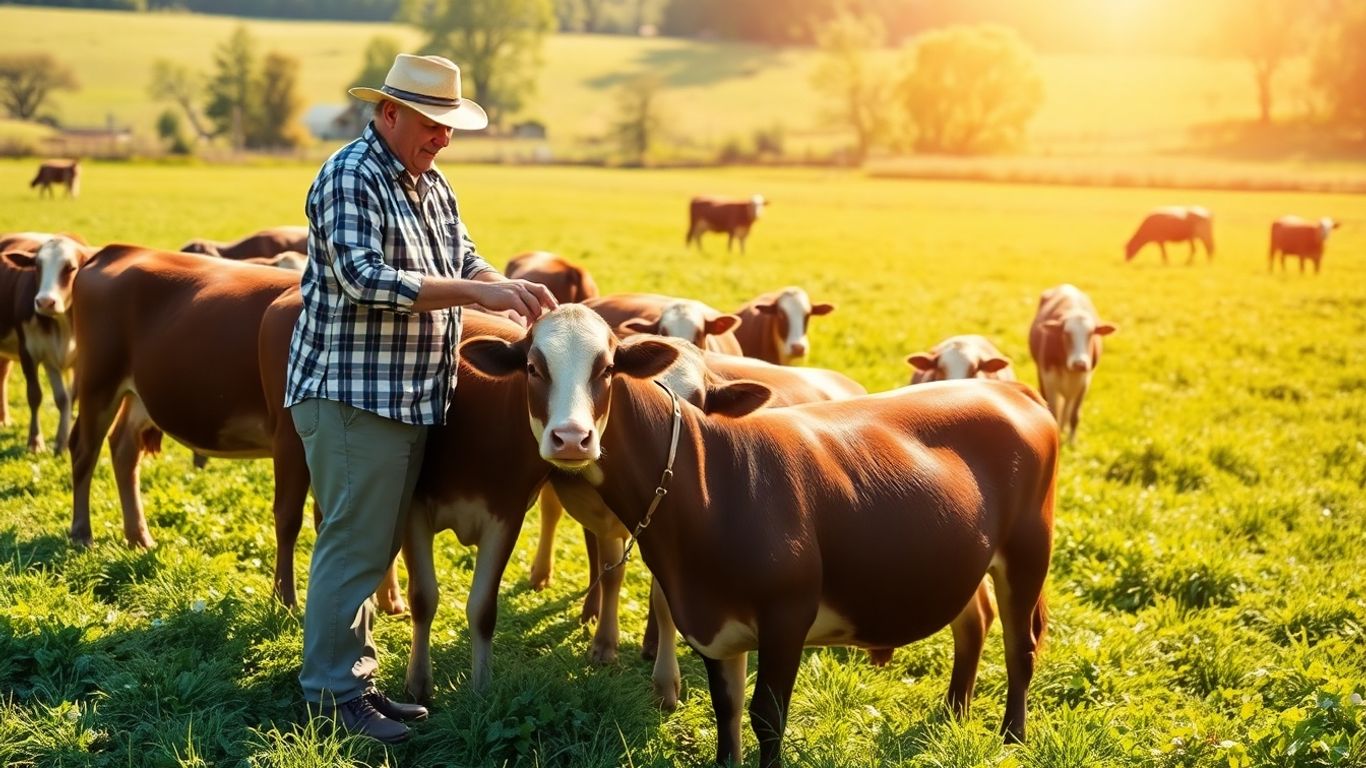
Running a farm isn’t just about the animals themselves; it’s also about making sure everything else runs smoothly. This means thinking about how you use your land, manage waste, and treat your animals ethically. Getting these parts right can make a big difference in how well your farm does.
Sustainable Pasture-Based Production
For many types of livestock, especially cattle and goats, good pasture management is key. It’s not just about letting them graze; it’s about managing the land so it stays healthy and productive year after year. This often involves something called rotational grazing. Instead of letting animals eat one area down to nothing, you move them around to different paddocks. This gives the grass a chance to recover and grow back stronger.
Here’s a quick look at why it matters:
- Better Forage Quality: Moving animals means they eat a wider variety of plants, and the plants themselves get a break to regrow, often with more nutrients.
- Less Soil Erosion: When animals are in one spot too long, they can compact the soil and eat away protective ground cover, leading to erosion. Rotational grazing helps prevent this.
- Improved Animal Health: Healthier pastures mean healthier animals, as they get a more balanced diet and are less exposed to parasites that can build up in overgrazed areas.
It’s also smart to think about what you plant. Mixing different types of grasses and legumes can give your animals a more complete diet and improve the soil at the same time. Keeping an eye on your pastures, checking for weeds or bare spots, and making adjustments is just part of the job. You can find more details on managing pastures at agricultural organizations.
Managing Your Chicken Manure
Chicken manure is a bit of a double-edged sword. On one hand, it’s packed with nutrients and can be fantastic for fertilizing crops or pastures. On the other hand, if you don’t handle it right, it can become a smelly problem that attracts pests and can even harm the environment. Proper manure management is vital for a clean and efficient farm.
So, what can you do with it?
- Composting: This is a popular method. By mixing manure with carbon-rich materials like straw or wood shavings, you can create a nutrient-rich compost. This process also kills weed seeds and pathogens.
- Direct Application: If your manure is fresh, you might be able to spread it directly onto fields, but you need to be careful. Too much nitrogen can burn plants. It’s best to let it age a bit or mix it with other materials first.
- Selling or Trading: Many farms find that they have more manure than they can use. It can be a source of income if you sell it to gardeners or other farmers.
Keeping chicken coops clean and dry also helps manage manure. Less moisture means less smell and easier handling. It’s all about finding a balance that works for your farm and your animals.
Ethical Pig Management
When it comes to pigs, thinking about their welfare is not just the right thing to do; it often leads to better results for your farm. Pigs are intelligent and social animals, and their environment should reflect that.
Consider these points for ethical management:
- Space to Move: Pigs need enough space to root around, explore, and express natural behaviors. Overcrowding leads to stress and can cause injuries.
- Enrichment: Providing things for pigs to interact with, like straw bales to root in or sturdy toys, can keep them mentally stimulated and reduce boredom-related behaviors.
- Clean Water and Shelter: Always make sure they have access to fresh, clean water and protection from extreme weather. Mud wallows are natural for pigs, helping them cool down and protect their skin, so providing a designated wallow area can be beneficial.
Treating your pigs with respect and providing them with an environment that meets their needs is a core part of responsible farming. It contributes to their overall health and can reduce the likelihood of behavioral issues that might complicate farm operations.
Thinking about these aspects of farm operations—from the health of your pastures to how you handle waste and care for your animals—helps build a more productive, sustainable, and ethical farm business.
Navigating the Business of Farming
Marketing Your Farm Products
Selling what you raise is a big part of farming. You’ve put in the work, and now it’s time to get your products to customers. Think about who you want to sell to. Are you aiming for local restaurants, farmers’ markets, or maybe even direct-to-consumer sales online? Each option has its own way of working.
- Farmers’ Markets: Great for direct customer interaction and getting cash right away. You can talk to people, explain your farming methods, and build a following.
- Restaurants/Local Shops: Building relationships with chefs or store owners can lead to steady orders. They often look for quality and consistency.
- Online Sales/CSA: Setting up your own website or joining a Community Supported Agriculture (CSA) program can provide upfront income and a committed customer base.
It’s often a good idea to diversify your sales channels. Don’t put all your eggs in one basket, so to speak. Finding the right mix of sales methods will help your farm stay profitable.
Developing a Farm Business Plan
Starting a farm without a plan is like setting sail without a map. A business plan helps you figure out where you’re going and how you’ll get there. It doesn’t have to be a huge, complicated document, but it should cover the basics.
Here’s what to think about:
- Your Farm’s Mission: What are you trying to achieve? What kind of farm do you want to run?
- Market Analysis: Who are your customers? What do they want? Who else is selling similar products?
- Operations: How will you raise your animals? What land, equipment, and labor do you need?
- Financial Projections: How much money do you need to start? How much do you expect to make? What are your costs?
A solid business plan isn’t just for getting loans; it’s your roadmap for success. It forces you to think through every aspect of your operation before you invest too much time and money.
Understanding Market Demands
Knowing what people want to buy is key. Consumer tastes change, and what was popular last year might not be this year. Keep an eye on trends in the food world. Are people asking for more grass-fed beef? Are they interested in heritage chicken breeds? What about specific cuts of meat or types of eggs?
- Talk to your customers: Ask them what they like and what they’re looking for.
- Watch industry news: Read farming publications or follow agricultural groups online.
- Look at what’s selling: Pay attention at farmers’ markets or check what local stores are stocking.
Being aware of market demands helps you make smart decisions about what animals to raise and how to market them. It’s about matching your farm’s production with what consumers are willing to pay for.
Essential Resources for New Farmers
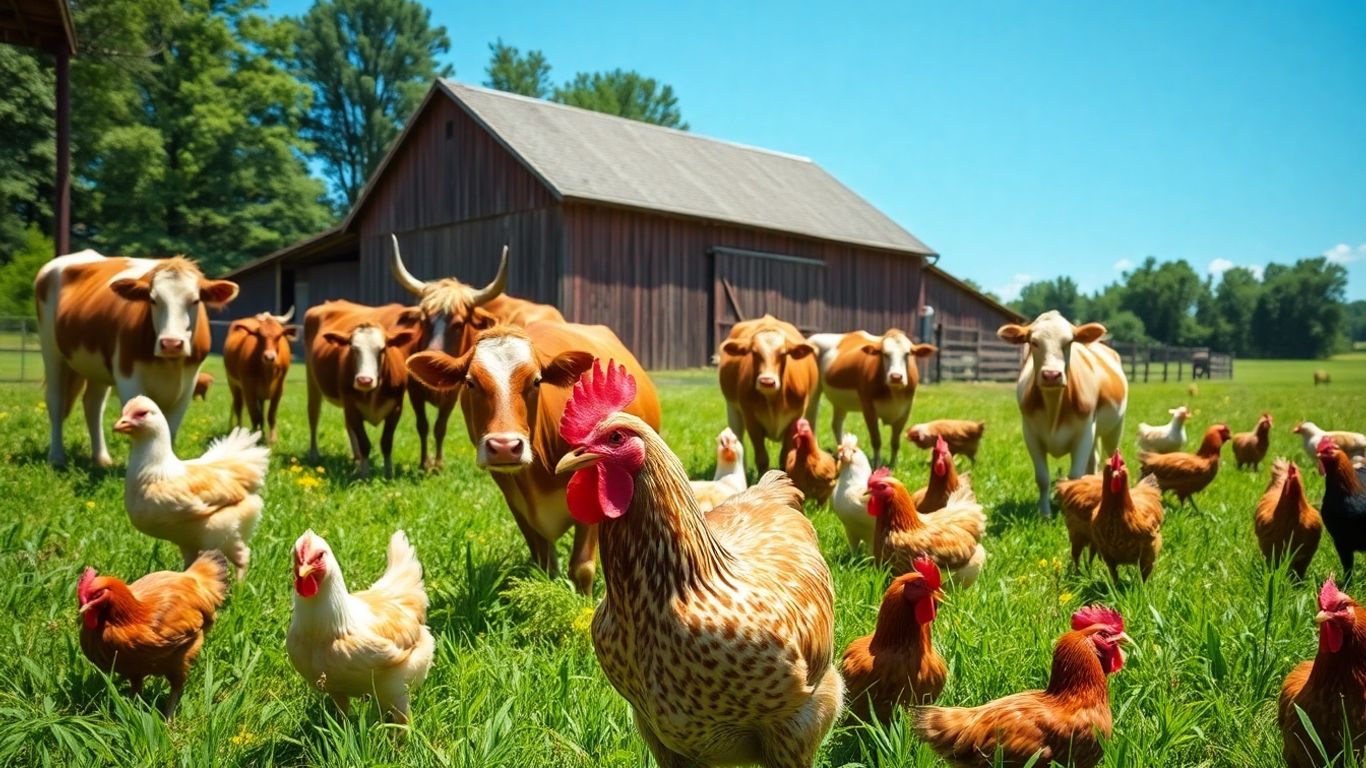
Starting out in farming can feel like a big leap, and honestly, it is. But you’re not alone in this. There are tons of places that want to help new farmers get their feet wet and then keep them going. Think of it like this: you wouldn’t try to build a house without a toolbox, right? Well, farming is similar, and these resources are your essential tools.
Seeking Guidance from Agricultural Organizations
Lots of groups out there are dedicated to helping farmers, especially those just starting. These organizations often have a wealth of knowledge, from how to pick the right animals for your land to understanding the best ways to feed them. They might offer workshops, online guides, or even one-on-one mentoring. It’s a good idea to see what’s available in your area. Some national groups have local chapters, and many focus on specific types of farming, like organic or pasture-based methods.
- Local Extension Offices: These are usually tied to state universities and are a goldmine of practical advice. They cover everything from soil testing to pest management.
- Farm Bureaus: These are often state-level organizations that advocate for farmers and provide resources and networking opportunities.
- Specialty Crop Organizations: If you’re focusing on a particular type of animal or crop, look for groups dedicated to that. For example, there are specific associations for goat farmers, poultry producers, and cattle ranchers.
Don’t underestimate the power of talking to people who have been doing this for a while. They’ve likely made the same mistakes you’re trying to avoid.
Leveraging Government Support Programs
Government agencies, particularly the USDA (United States Department of Agriculture), have programs specifically designed to help new farmers. These can include financial assistance, like loans with better terms, and help with conservation efforts on your land. They also offer resources for business planning and marketing. It might seem a bit bureaucratic at first, but understanding these programs can make a big difference to your farm’s financial health.
Here’s a quick look at what they might offer:
| Program Type | Description |
|---|---|
| Farm Loans | Financial help for buying land, equipment, or operating costs. |
| Conservation Programs | Support for practices that protect soil, water, and wildlife. |
| Crop Insurance | Protection against losses due to weather or other natural disasters. |
| Business Planning | Guidance and resources to help you create a solid farm business plan. |
Building a Network with Fellow Farmers
Connecting with other farmers is incredibly important. You can learn so much from their experiences, both the good and the bad. Sharing challenges and solutions with people who understand the day-to-day realities of farming can be incredibly helpful. These connections can lead to shared resources, bulk purchasing opportunities, or even just a friendly ear when things get tough. Building a strong network is like having a built-in support system and a collective brain trust.
- Attend local agricultural events and fairs.
- Join online forums or social media groups for farmers in your region.
- Volunteer on a farm or participate in farm tours to meet other producers.
Continuous Learning and Adaptation
Farming isn’t a static job; it’s always changing. What worked last year might not be the best approach this year. Staying curious and willing to learn new things is key to keeping your farm running smoothly and profitably. Think of it like this: you wouldn’t use the same tools to fix a leaky faucet that you used fifty years ago, right? Farming is similar. New research comes out, better equipment gets invented, and we learn more about animal health and pasture management all the time.
Staying Informed on Industry Advancements
It’s a good idea to keep up with what’s happening in agriculture. This could mean reading farming magazines, following reputable agricultural websites, or listening to podcasts about farming. You might hear about a new feed supplement that helps your animals grow faster or a different way to manage your pastures that makes them healthier. For example, understanding climate change adaptation strategies for livestock can help you prepare for unpredictable weather patterns climate change adaptation strategies.
Adapting to Evolving Farming Trends
Farming trends shift, and being able to adjust is important. Maybe consumers are suddenly really interested in pasture-raised eggs, or perhaps there’s a new regulation about animal welfare. Being flexible means you can change your practices to meet these new demands or requirements. It’s about being smart and responsive to the market and the world around you.
The Importance of Hands-On Experience
While reading and learning are great, nothing beats actually doing. When you’re out there with your animals every day, you start to notice things. You see how a particular feed affects your sheep, or how your goats react to a new pasture. This practical knowledge is incredibly useful. It helps you make better decisions for your specific farm. Sometimes, the best lessons come from trying something, seeing how it works, and then adjusting your approach based on what you observe. It’s a cycle of learning by doing.
Wrapping Up Your Farming Journey
So, you’ve taken the first steps into animal farming. It’s a lot to take in, right? From picking the right animals, like those versatile goats or efficient rabbits, to figuring out how to feed them well and keep them healthy, there’s always something new to learn. Remember, whether you’re aiming for a small backyard flock or a larger operation, the goal is often about producing good food and doing it right. Don’t be afraid to seek out resources, connect with other farmers, and just keep practicing. Every farmer started somewhere, and with a bit of patience and a willingness to learn, you’ll find your rhythm.
Frequently Asked Questions
What are the most popular animals for new farmers to raise?
Many beginners start with animals like chickens for eggs and meat, or goats for milk and meat. These animals are often easier to manage and require less space than larger livestock. They are also quite adaptable to different environments.
What’s the most important thing to know about feeding farm animals?
Giving your animals the right food is super important for their health and how well they grow or produce. You need to make sure their diet has all the necessary nutrients. It’s a good idea to talk to a farm expert or a vet to figure out the best food plan for the specific animals you’re raising.
How can I learn the best ways to care for my animals?
Learning how to care for animals involves a mix of reading, attending workshops, and getting hands-on experience. Books and online resources can teach you the basics, while local farming groups and experienced farmers can offer practical advice and guidance. Don’t be afraid to ask questions!
What should I think about before I start selling my farm products?
Before selling, consider who your customers will be – maybe local people, restaurants, or stores. Think about how you’ll present your products, like fresh meat or eggs, and how you’ll price them. Making a plan for selling and marketing will help you reach more buyers.
Are there government programs that can help new farmers?
Yes, there are! Government agencies, like the USDA in the United States, offer various programs to help new farmers. These can include loans to buy land or equipment, advice on managing your farm, and support for using sustainable farming methods.
Why is it important to keep learning as a farmer?
Farming is always changing, with new ideas and methods coming out all the time. Staying curious and learning about new techniques, like better ways to feed animals or manage land, helps your farm stay healthy and productive. It also helps you adapt if things like the weather or market demands change.