

Australia’s animal farming sector is really something else. It’s got this long history, but it’s also changing super fast. We’re talking about new tech popping up everywhere, but also the same old challenges like the weather and keeping young people interested. This article takes a look at what’s happening in 2025, especially with sheep farming, and what the future might hold for everyone involved in animal farming in Australia.
Key Takeaways
- Sheep farming in Australia is doing well, with strong demand for wool and lamb both at home and overseas.
- Farmers are dealing with climate changes by using new water-saving methods and looking after the soil better.
- There’s a big push for more sustainable and ethical farming practices, which consumers are starting to notice and reward.
- Technology, like drones and satellite tracking, is becoming a big deal for making farms more productive and efficient.
- While sheep farming is looking good, other areas like dairy farming are facing challenges, particularly with younger generations leaving the industry.
The Evolving Landscape of Animal Farming in Australia
Australian animal farming, particularly sheep production, is really changing. It’s not just about tradition anymore; there’s a big push towards modern methods and sustainability.
Historical Significance and Economic Contributions
For ages, sheep farming has been a backbone of Australia’s rural economy. It’s always been a major source of income, especially through wool and meat exports. Think about it – Australia is a world leader in fine wool, and that’s no accident. This sector has supported countless communities and driven significant export earnings for the country.
Current State of Key Agricultural Sectors
Right now, sheep farming is doing pretty well. Global demand for both wool and lamb is strong, particularly from markets in Asia and the Middle East. Farmers are seeing stable to rising prices, especially for products that can show they’re grown sustainably and can be traced back to the farm. This focus on quality and transparency is becoming super important.
Emerging Trends Across Agribusiness
Several key trends are shaping the future. One big one is technology integration. Farmers are using drones, sensors, and satellite data to keep a closer eye on their flocks and pastures. This helps them make smarter decisions about feeding, breeding, and managing animal health. Another trend is the growing consumer interest in ethical and environmentally friendly products. This means farms are looking more closely at animal welfare, biodiversity, and how they manage their land for the long haul.
The drive towards sustainability isn’t just about being green; it’s becoming a business necessity. Farms that adopt practices like water conservation and soil health management are better prepared for changing weather patterns and can often get a better price for their products.
Here’s a quick look at how different regions are performing:
| Region | Key Focus |
|---|---|
| New South Wales | Fine wool, lamb exports, tech adoption |
| Victoria | Meat and high-value wool, local processing |
| Western Australia | Drought resilience, mixed farming |
| South Australia | Climate adaptation, mixed farming |
| Tasmania | Premium lamb, niche wool markets |
| Queensland | Drought management, diversification |
Sheep Farming in Australia: Trends and Opportunities
Market Demand and Export Growth for Wool and Lamb
Australia’s sheep industry is doing pretty well in 2025, especially when it comes to selling wool and lamb overseas. We’re still the top dog for fine wool, and folks around the world really want it for fancy clothes, sports gear, and anything eco-friendly. Lamb and mutton exports are also on the upswing, with places like the Middle East, China, and Southeast Asia buying more. Farmers are seeing prices that are steady or even a bit higher, particularly if they can show their products are sustainable and you know exactly where they came from. It’s all about quality and trust these days.
Sustainability and Ethical Practices in Sheep Production
There’s a big push for more sustainable and ethical farming. People buying our wool and lamb want to know it’s produced responsibly. This means farmers are looking at things like water conservation, keeping the soil healthy, and making sure the animals are treated well. Farms that can prove they’re doing things the ‘green’ way often get a better price for their products. It’s not just about the bottom line anymore; it’s about being good stewards of the land and the animals.
Technological Integration for Enhanced Productivity
Technology is changing how sheep are farmed, making things more efficient. Think drones for checking on the flock, sensors to monitor pasture health, and satellite data to help manage the farm better. These tools help farmers keep a closer eye on their sheep, figure out the best way to feed them, and even predict health issues. Using data helps make smarter choices about breeding, feeding, and health care, which all adds up to better results. The industry is really leaning into tech to stay competitive and productive.
| Major Region | Estimated Sheep (Millions) | Primary Products | Key Trends | Projected Growth (%) |
|---|---|---|---|---|
| New South Wales | 23 | Fine Merino Wool, Lamb | Sustainability, Tech Adoption | +9% |
| Victoria | 14 | Merino Wool, Lamb | Improved Pasture, Local Processing | +7% |
| Western Australia | 12 | Wool, Lamb, Mutton | Drought Resilience, Tech | +8% |
| South Australia | 10 | Wool, Lamb | Mixed Farming, Climate Adaptation | +6% |
| Tasmania | 2.4 | High-Quality Lamb, Fine Wool | Organic/Free Range, Export Premiums | +8% |
| Queensland | 2 | Wool, Mutton | Drought Management, Diversifying Incomes | +5% |
Regional Dynamics in Australian Sheep Farming
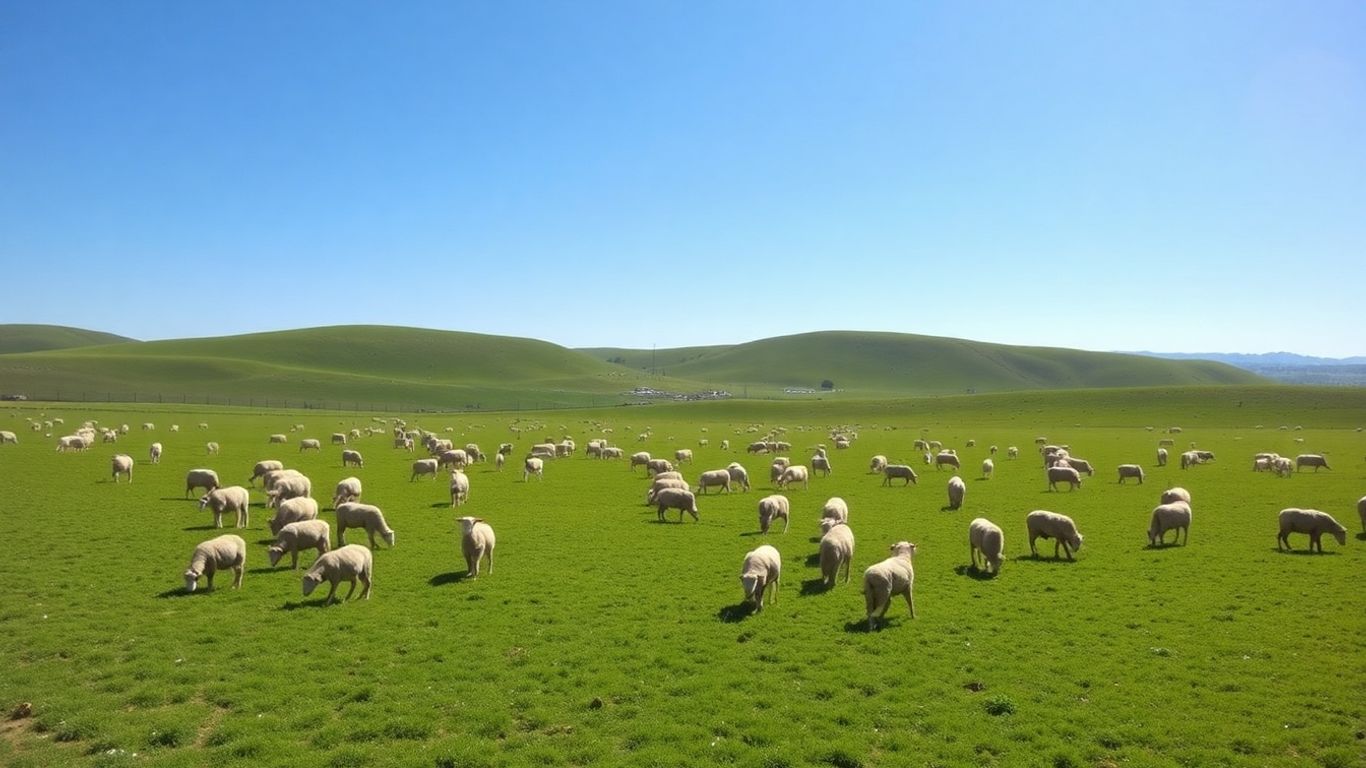
Australia’s sheep farming isn’t just one big picture; it’s a collection of distinct regional strengths and challenges. Each area has its own way of doing things, shaped by the land, the climate, and what the market wants.
New South Wales and Victoria: Leading Producers
These two states are really the powerhouses of Australian sheep farming. New South Wales, especially the Riverina and western areas, is the top dog, managing huge flocks. They’re good at both wool and lamb, often using a mix of pasture and grain to keep things productive. Victoria, with its Wimmera and Western Districts, is right there too, known for quality merino wool and prime lamb. They’re really focusing on better pastures and more local processing, which is a smart move.
- NSW: Leads in fine wool and lamb production.
- Victoria: Strong in both wool and meat, with a focus on pasture improvement.
- Combined: These states account for a significant portion of the national flock and output.
Both NSW and Victoria are seeing good growth, driven by strong export demand and the adoption of new technologies. Farmers here are often well-resourced and can invest in the latest practices.
Western Australia and South Australia: Climate Adaptation
Down south and across west, farmers are dealing with drier conditions, so adaptation is key. Western Australia’s southern wheatbelt is a big sheep area, and they’ve gotten good at mixing grain crops with sheep grazing. South Australia, with its pastoral north and wheat-sheep belt, is also known for being adaptable, especially when the weather gets tough. They’re really looking at how to make their systems more resilient to drought and changing rainfall.
| State | Key Regions | Primary Products | 2025 Growth Projection | Focus Areas |
|---|---|---|---|---|
| Western Australia | Southern Wheatbelt | Wool, Lamb, Mutton | +8% | Drought resilience, Tech adoption |
| South Australia | Pastoral North, Wheat-Belt | Wool, Lamb | +6% | Mixed farming, Climate adaptation |
Tasmania and Queensland: Niche Markets and Diversification
Tasmania is a bit of a special case. It’s smaller in scale but punches above its weight when it comes to quality. They’re famous for their premium lamb and fine wool, often targeting niche markets that pay for that extra quality. Farmers there are looking at organic and free-range options to get those export premiums. Queensland, on the other hand, has sheep mostly in its cooler southern parts, often alongside cattle. Their focus is on managing drought and finding ways to diversify income, maybe through regenerative practices or focusing on mutton and wool in tougher conditions.
- Tasmania: Known for high-quality lamb and fine wool, targeting premium markets.
- Queensland: Focuses on drought management and income diversification in its southern regions.
- Niche Focus: Both states are exploring value-added branding and specialized production methods.
Profitability and Future Prospects for Sheep Farmers
So, is sheep farming actually making money in Australia in 2025? That’s the big question, right? Well, it really depends on a bunch of things – like what the wool and lamb prices are doing, how much you’re spending on feed and other stuff, and even the weather. But the general vibe from the industry is that if you’re running your farm smart, it’s definitely profitable, and things are looking up.
Factors Influencing Sheep Farming Profitability in 2025
Several key things are shaping how much money sheep farmers are bringing in this year. For starters, the demand for Australian wool, especially the fine Merino stuff, is still really strong. This keeps prices pretty good. On the meat side, exports are doing well, particularly to places in Asia and the Middle East, which is also helping to push prices up for lamb and mutton. Plus, new technologies are starting to help farmers keep a lid on costs for things like feed, labor, and even vet bills. It’s not just about selling more, but also about spending less where you can.
- Strong global demand for fine Merino wool.
- Growing export markets for lamb and mutton.
- Cost savings through technological adoption.
- Adaptation to climate variability.
Managing operational costs effectively is becoming just as important as market prices. Farmers are looking at everything from feed efficiency to energy use to make sure every dollar spent is working hard.
Future Growth Areas and Investment Opportunities
Looking ahead, there are some exciting areas for growth. Think about investing in better breeding programs that focus on both wool quality and meat yield, as well as making the sheep tougher against diseases. Farming practices that work with the climate, like using drought-resistant pastures and smart grazing methods, are also a big deal for keeping things productive and profitable, even when the weather’s not cooperating. There’s also a push to do more processing of wool and meat right here in Australia, which could create more jobs and keep more value in the country. We’re also seeing more interest in niche markets, like organic or grass-fed lamb, which can fetch premium prices. If you’re thinking about where to put your money, these areas seem promising.
The Role of Financial Innovation in Rural Access
It’s not just about farming practices; how farmers access finance is changing too. Things like using satellite data to verify farm conditions are starting to make it easier for farmers to get loans and insurance. This kind of financial innovation is really important for rural areas, helping to reduce risk for both the farmers and the people lending them money. It means more people might be able to get the capital they need to invest in their farms and grow. The value of Australian sheep meat and live sheep exports is projected to decrease by 2% to $5.6 billion in 2025-26, but smart financial tools can help mitigate these market fluctuations Australian sheep meat and live sheep exports.
Navigating Challenges in Animal Farming
Farming in Australia, especially with livestock, isn’t always smooth sailing. We’re seeing some pretty big hurdles that farmers need to figure out. It’s not just about the weather anymore, though that’s a huge part of it. Things like environmental concerns and keeping young people interested in the industry are also major talking points.
Environmental and Climate Challenges
The big one, of course, is the environment. Climate change is making weather patterns more unpredictable. We’re talking about more intense droughts in some areas and heavier floods in others. This directly impacts pasture growth, water availability, and overall farm productivity. Farmers are having to get really smart about how they manage their land and resources to cope with these shifts. Adapting to these changing conditions is key to survival. It means looking at things like drought-resistant pastures and more efficient water use.
Addressing Youth Exodus in Dairy Farming
While this section focuses on animal farming broadly, it’s worth noting the specific challenges in sectors like dairy. There’s a noticeable trend of younger generations moving away from traditional farming roles, especially in dairy. This isn’t just an Australian issue; it’s global. Reasons often cited include the demanding hours, the physical toll, and sometimes, a lack of perceived long-term financial security compared to other careers. Attracting and retaining young talent is vital for the future of these industries. It requires making farming careers more appealing, perhaps through better work-life balance, access to modern technology, and clearer pathways for career progression.
Managing Operational Costs and Resource Optimization
Keeping the farm running day-to-day costs money, and those costs can really add up. Things like feed, fuel, fertilizer, and machinery maintenance are always on the farmer’s mind. With fluctuating market prices for produce and livestock, managing these expenses is a constant balancing act. Farmers are increasingly looking at ways to optimize their operations. This could involve using technology to reduce waste, improving the efficiency of their equipment, or finding more cost-effective ways to manage their land and livestock. It’s all about getting the most out of every resource.
Here’s a quick look at some areas where optimization is happening:
- Precision Agriculture: Using data from sensors, drones, and satellites to apply resources like water and fertilizer only where and when they are needed.
- Energy Efficiency: Investing in more fuel-efficient machinery or exploring renewable energy sources for farm operations.
- Supply Chain Management: Streamlining logistics to reduce transport costs and spoilage.
- Waste Reduction: Finding ways to minimize waste in feed, water, and other inputs.
The pressure to produce more while using fewer resources is intense. Farmers are constantly seeking innovative solutions to reduce their environmental footprint and improve their bottom line. This often involves adopting new technologies and rethinking traditional farming methods to become more efficient and sustainable in the long run.
The Impact of Technology on Australian Agriculture
It feels like technology is changing everything these days, and farming in Australia is no different. We’re seeing a big shift towards using digital tools, or ‘agtech’, across the board. While cropping farms have been quicker to adopt these changes, the livestock sector is catching up fast. Think sensors on animals, better ways to monitor fields, and smart software to help make decisions.
The potential for these technologies to boost Australia’s agricultural output is huge, with estimates suggesting an increase of around $20 billion.
Here’s a look at how tech is making a difference:
AI and Precision Solutions in Farming
Artificial intelligence is starting to really help farmers make smarter choices. It can look at all sorts of data – from weather patterns to soil conditions – and give advice on things like when to plant or what treatments to use. Precision farming, which uses GPS and sensors, means farmers can apply water, fertilizer, and pesticides only where they’re needed. This saves resources and is better for the environment. It’s like giving each plant exactly what it needs, when it needs it.
Role of Satellite Technology in Farm Management
Satellites are becoming a farmer’s eyes in the sky. They can track crop health, monitor water levels, and even help detect issues like pest infestations early on. This information helps farmers manage their land more effectively, especially across large areas. It also plays a role in things like verifying crop details for loans or insurance, making those processes smoother.
Digital Platforms and Supply Chain Enhancements
Online platforms are changing how food gets from the farm to our plates. Processors and buyers can now connect directly with farmers, cutting out middlemen and making the whole process quicker. This also means farmers have a better chance to market their products directly. These digital connections are helping to build more transparent and efficient supply chains.
The push for technology in farming isn’t just about making things easier; it’s about making Australian agriculture more resilient and competitive on a global scale. It helps manage risks better, from unpredictable weather to disease outbreaks, ultimately leading to more stable production.
Future Directions for Australian Agribusiness
Innovations in Breeding and Pasture Management
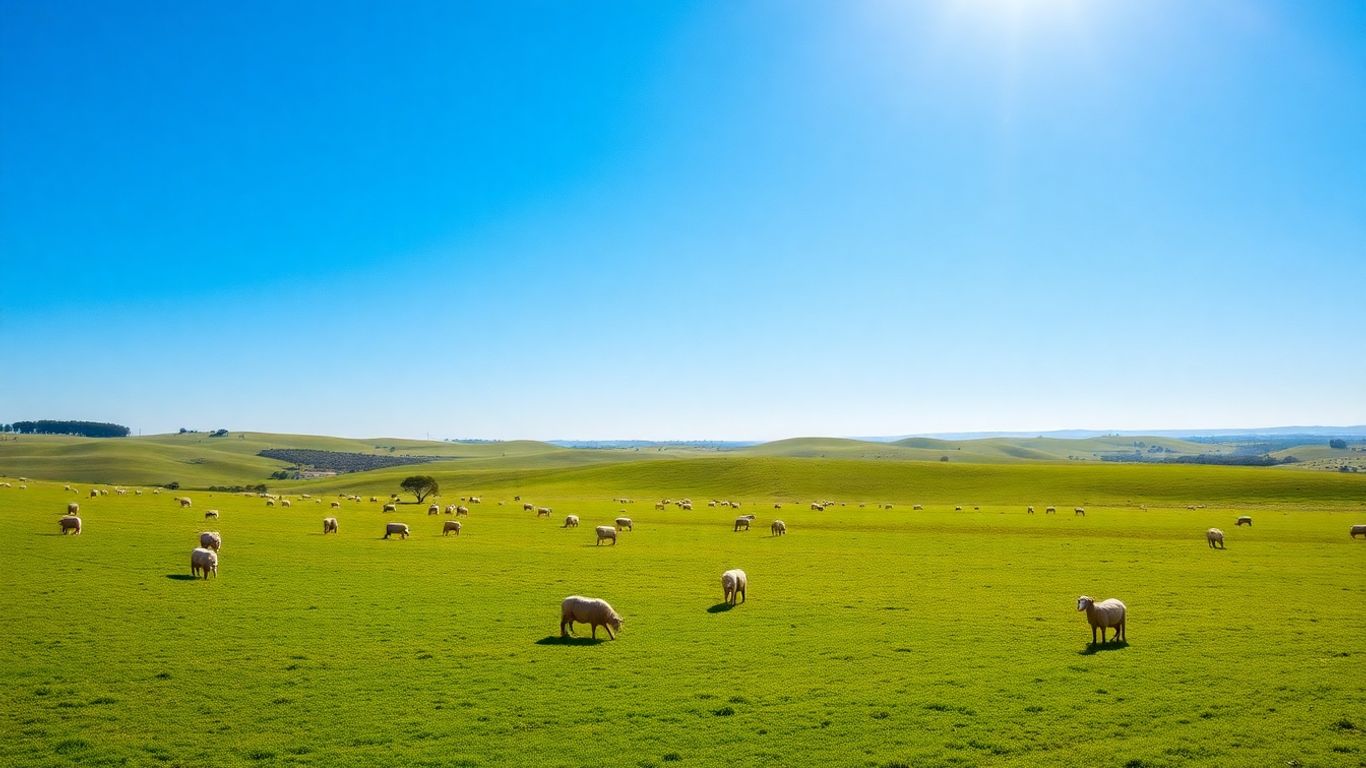
Australian agriculture is really looking at how to get more from less, and that starts with the animals and the land they graze on. We’re seeing a big push towards smarter breeding programs. Think about sheep that are naturally more resistant to diseases or cattle that can thrive on tougher feed. It’s not just about picking the biggest or fastest-growing animal anymore; it’s about resilience and efficiency. This also ties into pasture management. Farmers are using more data, like soil moisture readings and satellite imagery, to figure out the best times to graze and how to improve the health of their pastures over the long term. It’s a shift from just managing animals to managing entire ecosystems.
Expanding Export Markets and Value-Added Processing
Australia’s reputation for clean, green produce is a massive selling point overseas. The focus is shifting from just selling raw commodities to creating more finished products. For example, instead of just exporting wool, there’s more interest in exporting high-quality wool fabrics or even finished garments. Similarly, for meat, it’s about moving beyond basic cuts to more processed and convenient options that consumers in other countries want. This value-adding helps farmers get better prices and creates more jobs right here in Australia. The goal is to capture more of the value chain.
The Rise of Organic Foods and Alternative Proteins
Consumer tastes are definitely changing, and that’s having a big impact on what farmers are growing and raising. The demand for organic foods, grown without synthetic pesticides or fertilizers, is on the rise. This means more opportunities for farmers who are already using or want to switch to organic methods. On the other side, we’re seeing a lot of investment and interest in alternative proteins – things like plant-based meats and even lab-grown options. While this might seem like a challenge to traditional meat producers, it also presents opportunities for farmers to diversify or to supply ingredients for these new food products. It’s a dynamic space to watch.
The push for sustainability and changing consumer preferences are reshaping what Australian agriculture looks like. It’s about being smarter, more efficient, and offering products that people want, whether that’s organic lamb or a new type of plant-based burger ingredient.
Looking Ahead: A Resilient Future for Australian Sheep Farming
So, as we wrap up our look at Australian sheep farming in 2025, it’s clear the industry is really holding its own. Despite the weather challenges and changing markets, farmers are adapting. They’re using new tech, focusing on what consumers want, and finding smart ways to keep things profitable and sustainable. It’s not always easy, but the drive to innovate and care for the land seems strong. The future looks promising for those willing to embrace these changes, keeping Australia a key player in the global wool and lamb scene.
Frequently Asked Questions
What makes sheep farming profitable in Australia nowadays?
Sheep farming in Australia can be quite profitable, especially for farms that use modern methods. Things like selling good quality wool and lamb, keeping costs down with new tech, and adapting to dry weather help farmers make more money. Prices for wool and lamb are good because people all over the world want them.
Is sheep farming still a growing business in Australia?
Yes, it is! The business of raising sheep in Australia is growing steadily. More and more people around the world want Australian wool and lamb. Experts think profits will go up by about 8% in 2025. This is good news for the sheep industry.
How is technology helping sheep farmers make more money?
Technology is a big help! Things like drones and satellites let farmers keep a close eye on their sheep and pastures. Smart computers can tell farmers the best ways to feed and care for their animals. This helps save money on things like feed and vet visits, and also helps farmers sell their products for better prices, especially overseas.
What are the main things Australia sells from its sheep?
Australia sells a lot of fine merino wool, which is used for fancy clothes and sports gear. They also sell a lot of lamb and mutton (which is sheep meat from older sheep). They are also focusing on selling products that are known to be good for the environment and that buyers can track from the farm to the store.
How can farmers get real-time tracking for their sheep?
Farmers can use special apps and services that use satellite information to watch their farms and animals. Some companies offer ways to track everything from where the sheep are to how the grass is growing. This helps farmers make smarter choices every day.
Does weather, like droughts, affect sheep farming in Australia?
Yes, weather is a big deal. When it doesn’t rain much and droughts happen, it makes it hard for the grass to grow for the sheep. But farmers are getting better at dealing with this. They are planting tougher grass types, saving water, and using smart ways to move their sheep around so the land doesn’t get too worn out. This helps them keep farming even when the weather is tough.