

So, you’re thinking about getting into poultry farming in 2025? It’s a pretty accessible way to get into agribusiness, especially if you’re looking for something that can bring in money relatively quickly and doesn’t need a massive upfront investment. Whether you’re aiming to sell eggs, meat, or both, the demand for poultry products is strong. This guide is here to walk you through the basics, from figuring out what you need to get started, to making sure your birds are healthy and how to actually sell what you produce. We’ll cover the essential steps so you can build a successful poultry farming operation.
Key Takeaways
- Poultry farming offers a practical entry into agribusiness with potential for fast returns and consistent demand for products like eggs and meat.
- Success hinges on careful planning, including assessing your resources, understanding legal requirements, and choosing the right bird breeds for your goals.
- Setting up proper infrastructure, from housing and ventilation to essential equipment, is vital for bird health and farm efficiency.
- Effective nutrition, strict biosecurity, and proactive disease management are critical for maintaining flock health and maximizing productivity.
- Developing smart marketing strategies and keeping good records are key to turning your poultry farming efforts into a profitable venture.
Understanding The Poultry Farming Landscape
Poultry farming is basically raising birds like chickens, ducks, and turkeys, mostly for their meat and eggs. It’s a pretty big deal in agriculture worldwide. Think about it, global production of poultry meat shot up from about 9 million tonnes in 1961 to a whopping 133 million tonnes by 2020. Egg production saw a similar jump, going from 15 million to 93 million tonnes in the same period. This growth shows just how important poultry is to what we eat.
What Is Poultry Farming?
Poultry farming is the practice of raising domesticated birds for food, primarily meat and eggs. This sector spans from small backyard setups to massive commercial operations. The industry has grown so much because it’s relatively affordable to start, the products turn over quickly, and people always want chicken and eggs. It’s a diverse field, and understanding its basics is key to getting started.
Benefits of Starting a Poultry Farming Business
Starting a poultry farm can be a good move for several reasons. For starters, the initial investment isn’t as high as some other farming types. Plus, you can see returns pretty quickly, which is always nice. You don’t necessarily need a huge amount of land to get going, making it accessible for many. It also fits well with sustainable living ideas and helps with local food security.
Choosing Between Meat, Egg, or Dual-Purpose Production
When you decide to start a poultry farm, one of the first big choices is what you’ll focus on: meat, eggs, or both. Each has its own rhythm and requirements.
- Meat Production (Broilers): These birds are bred to grow fast and put on weight efficiently. You’ll need good feed and housing that supports rapid growth.
- Egg Production (Layers): For eggs, you’ll want breeds known for laying consistently. The setup needs to be right for easy egg collection and to keep the hens healthy.
- Dual-Purpose: These breeds, like the classic Rhode Island Red, can provide both meat and eggs. They might not be the absolute fastest growers or the highest layers, but they offer flexibility.
Deciding on your production type early on will shape everything from the breeds you choose to the housing and feed you’ll need. It’s a foundational decision for your farm’s direction.
Essential Steps for Launching Your Poultry Farm
Getting your poultry farm off the ground involves a few key actions. It’s not just about buying some chicks; you really need to think things through beforehand.
Assessing Your Resources and Capabilities
Before you even think about buying birds, take a good, hard look at what you have to work with. This means figuring out your budget, how much land you actually have, and if you can handle the daily grind of looking after chickens.
- Money Matters: How much cash do you have saved, and are there any loans or grants you could get?
- Land Check: Is the land you have suitable for housing birds? Think about drainage and access.
- Your Time and Help: How much time can you realistically commit? Do you have anyone who can help out, especially if things get busy?
It’s easy to get excited and jump in, but a clear picture of your personal resources prevents a lot of headaches down the road. Don’t overextend yourself right at the start.
Legal Requirements and Permits for Poultry Operations
You can’t just set up a farm anywhere without checking the rules. Different towns and counties have their own regulations about farming, especially when it comes to animals. You’ll need to find out what permits are required in your area. This could include business licenses, zoning permits to make sure farming is allowed where you plan to be, and maybe even health department approvals.
| Permit Type | What it’s for |
|---|---|
| Business License | Legal permission to run any business |
| Zoning Permit | Allows farming in your specific location |
| Health Department Permit | Ensures farm meets health and safety standards |
Selecting the Right Poultry Breeds
This is a big one. What do you want to get out of your farm? Are you aiming for lots of eggs, fast-growing meat birds, or maybe a bit of both? The breed you choose makes a huge difference.
- For Eggs: Look into breeds known for laying consistently, like Leghorns or Rhode Island Reds. They’re bred to produce eggs, day in and day out.
- For Meat: Broiler breeds, such as Cornish Cross, are developed to grow quickly and put on weight efficiently. They’re usually ready for processing in just a few weeks.
- Dual-Purpose: If you want a bit of both, breeds like Plymouth Rocks or Wyandottes can be a good compromise. They’ll lay a decent number of eggs and also provide meat, though they might not be as specialized as the others.
Choosing the right breed from a reputable supplier is key to your farm’s success.
Setting Up Your Poultry Farm Infrastructure
Alright, so you’ve decided to get into poultry farming. That’s great! Now, let’s talk about the actual physical setup of your farm. This is where things get real, and having a solid plan for your housing and equipment makes a huge difference.
Location, Housing, and Equipment Essentials
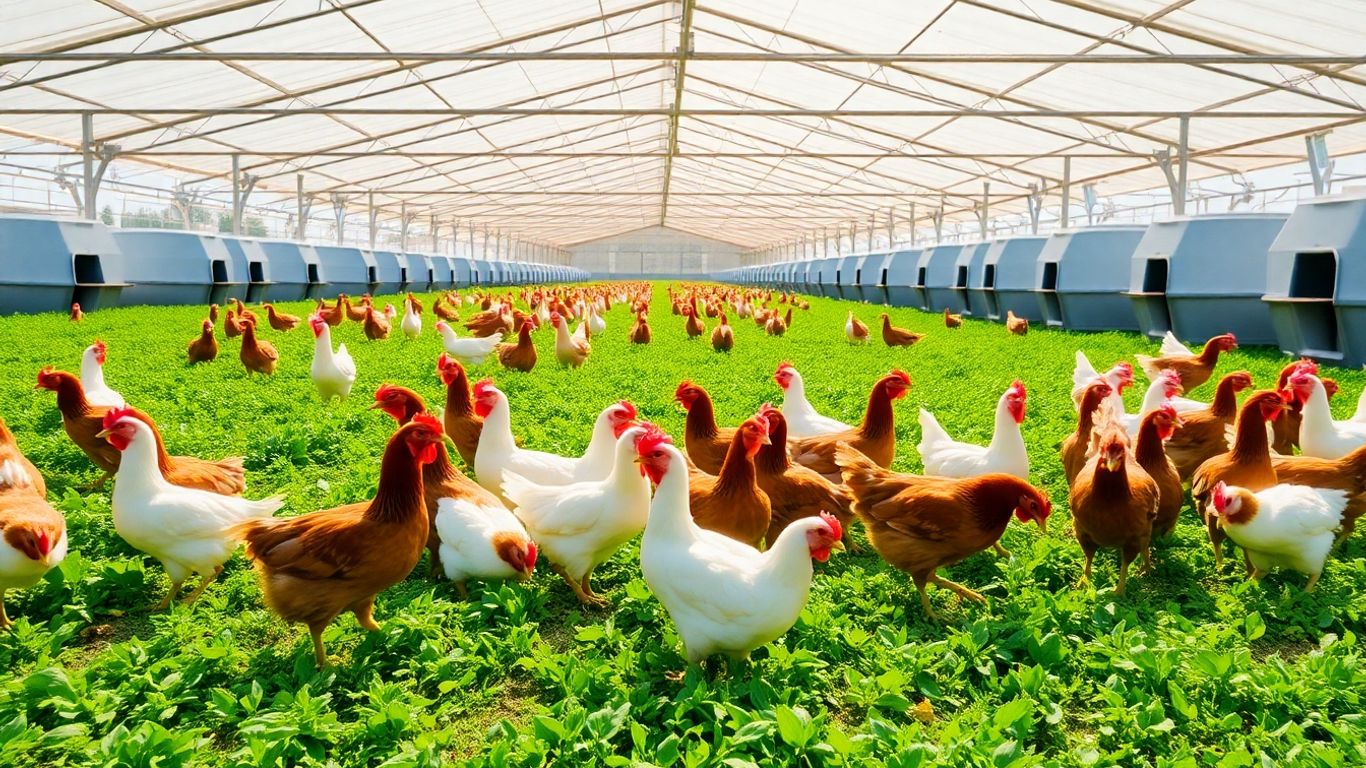
First off, where you put your farm matters. You need a spot that’s got good drainage, isn’t too close to busy roads or noisy areas that might stress the birds, and ideally, has access to water and electricity. When it comes to housing, think about what kind of birds you’re raising and how many. Are you going for a small backyard flock or a larger commercial operation? This will dictate the size and type of coop you need. The goal is to create a safe, comfortable, and healthy environment for your birds.
Designing and Building the Poultry House
When you’re designing the actual house, ventilation is super important. You need air moving through to get rid of moisture and ammonia, but you don’t want drafts blowing directly on the birds, especially the young ones. For smaller setups, simple open-sided houses can work, offering good airflow. If you’re in an area with harsh weather or lots of predators, you might need something more enclosed, like a closed house, which gives you more control over the internal environment. Just remember, more control often means higher construction costs.
Here’s a quick look at some basic space needs:
- Broilers (Meat Birds): Need about 1 to 1.5 square feet per bird.
- Layers (Egg Birds): Need around 2 to 4 square feet per bird, depending on the breed and if they have outdoor access.
- Chicks: Need a confined, warm brooder space initially, with more room added as they grow.
Predator protection is also a big deal. Think about sturdy fencing, maybe hardware cloth with small openings, and making sure doors and windows latch securely, especially at night. You don’t want a fox or a raccoon having a feast.
Building a good poultry house isn’t just about keeping the rain off. It’s about managing temperature, humidity, air quality, and keeping unwanted visitors out. Getting this right from the start saves a lot of headaches later on.
Essential Poultry Farming Equipment and Supplies
Beyond the house itself, you’ll need some key equipment. This includes:
- Feeding Systems: Whether it’s simple feeders or automatic ones, they need to be designed to keep feed clean and accessible. You can find a good range of poultry farming equipment to suit different needs.
- Watering Systems: Clean water is non-negotiable. Nipple drinkers or bell drinkers are common choices that help keep water clean.
- Brooding Equipment: If you’re starting with chicks, you’ll need heat lamps or brooders to keep them warm. This is critical for their survival.
- Nesting Boxes: For laying hens, you need comfortable, clean places for them to lay their eggs. One box for every 4-5 hens is a good rule of thumb.
- Manure Management Tools: Shovels, wheelbarrows, and maybe even a small tractor for larger operations will be needed to keep the place clean.
Choosing the right equipment can really streamline your daily tasks and contribute to a healthier flock. It’s worth investing in quality items that will last.
Optimizing Poultry Nutrition and Health
Getting the feed and health management right is pretty much the backbone of a successful poultry operation. It’s not just about throwing feed at them; it’s about giving them exactly what they need at each stage of their life to grow well and stay healthy. Think of it like this: a well-fed, healthy bird is a productive bird, whether you’re aiming for lots of eggs or fast-growing meat chickens.
Poultry Nutrition and Feeding Management
So, what do these birds actually need? It boils down to a few key things: protein for growth and egg-making, carbs and fats for energy, and a good mix of vitamins and minerals for everything else, like fighting off sickness and keeping feathers looking sharp. The exact amounts change depending on if you have chicks, growing birds, or laying hens. Broilers, for instance, need more protein to build muscle quickly, while laying hens need extra calcium to make strong eggshells. Getting the feed mix wrong can lead to slow growth, fewer eggs, or even health problems down the line.
Here’s a quick look at what’s important:
- Protein: Builds muscle and helps with egg formation. Sources include soybean meal and fish meal.
- Carbohydrates: The main energy source. Corn and wheat are common.
- Fats: Provide concentrated energy and help absorb certain vitamins. Vegetable oils work well.
- Vitamins & Minerals: Keep the immune system strong and support overall body functions. They come from various ingredients in the feed mix.
Feed comes in different forms, like crumbles or pellets, and the type matters. Starter feeds are usually finer for young birds, while grower and layer feeds are formulated for their specific needs. You also need to think about how you deliver the feed. Are you using feeders that minimize waste? Are the birds getting access to it easily? It all adds up.
Proper hydration is just as critical as nutrition. Always make sure your birds have access to clean, fresh water. Dehydration can quickly lead to reduced feed intake and a drop in productivity, no matter how good the feed is.
Health Management and Biosecurity Measures
Keeping your flock healthy means being proactive. This is where biosecurity comes in. It’s all about preventing diseases from getting onto your farm in the first place. Think about limiting who comes and goes, keeping visitors’ shoes clean, and not letting your birds mix with wild birds. Regular cleaning of the housing is also a big part of it. You want to create an environment where disease has a hard time taking hold.
Some common diseases you’ll want to watch out for include:
- Avian Influenza (Bird Flu): Can cause sudden death and respiratory issues.
- Coccidiosis: A parasite that causes diarrhea and poor growth.
- Salmonella: A bacterial infection that can affect both birds and humans.
- Marek’s Disease: A viral disease that can cause paralysis.
Disease Prevention and Management Strategies
Prevention is definitely better than cure. Vaccination programs are a standard part of keeping flocks healthy, especially against diseases like Marek’s and Newcastle disease. Your vet can help you set up a schedule that fits your farm. Beyond vaccines, good sanitation is key. Regularly cleaning and disinfecting feeders, waterers, and the coop itself helps remove pathogens. If you do notice signs of illness, like lethargy, changes in droppings, or breathing problems, it’s important to act fast. Isolate sick birds if possible and consult with a poultry veterinarian. Early detection and intervention can make a big difference in stopping a disease from spreading and impacting your entire flock.
Mycotoxin binders can also be a smart addition to feed, especially if you’re concerned about moldy grains. These additives help neutralize harmful toxins in the feed, leading to better feed efficiency and healthier birds. It’s a small step that can have a noticeable impact on your bottom line by reducing health issues and improving growth rates. Ultimately, a focus on good nutrition and strict health protocols means healthier birds, better production, and a more profitable farm. It’s a cycle where each part supports the other.
Maximizing Profitability in Poultry Farming
So, you’ve got your farm set up, your birds are healthy, and now it’s time to talk about making some real money. This is where the planning really pays off. It’s not just about raising chickens; it’s about running a smart business.
Profit Potential and Return on Investment
Let’s be real, everyone wants to know how much they can earn. The profit you see really depends on what you’re selling – meat birds or eggs – and how efficiently you’re doing it. Broilers, for example, give you quicker cash flow because they grow fast, usually ready for market in about 6-8 weeks. Layers, on the other hand, take a bit longer to start laying, but then you get a steady income from eggs every single day. It’s a trade-off between quick sales and consistent earnings.
Here’s a rough idea for a small batch of broilers:
| Item | Estimate |
|---|---|
| Selling price per bird | $6.00 |
| Total revenue (500 birds) | $3,000 |
| Production cost | $1,800 – $2,000 |
| Net profit per cycle | $1,000 – $1,200 |
| Cycles per year | 5 – 6 |
| Annual profit | $6,000 – $7,000 |
Remember, these numbers can change based on feed costs, disease outbreaks, and how well you manage your flock. The key is to keep your costs down and your production up.
Effective Marketing Strategies for Poultry Products
Making a good product is only half the battle; you also need people to buy it. Don’t just rely on one place to sell your chickens or eggs. Think about selling directly to customers at your farm gate or setting up a stall at a local farmers’ market. Online sales are also a big deal now, so consider a simple website or social media page. Restaurants and local food businesses can be great regular customers if you can supply them consistently. Even your chicken manure can be sold as compost, adding another small income stream.
Selling directly often means you get to keep more of the profit because you cut out the middleman. It also lets you build relationships with your customers, which is pretty great.
Record Keeping for Enhanced Profitability
This might sound boring, but keeping good records is super important for making more money. You need to track everything: how much feed you use, how many eggs you collect, how many birds you sell, and all your expenses. This data helps you see where your money is going and where you can cut costs. For instance, if you notice one batch of feed costs more but doesn’t produce better results, you know to switch. Good records also help you plan for the future and make smarter decisions about expanding your operation. It’s the backbone of a profitable farm.
Navigating Challenges and Future Growth
Common Challenges in Poultry Farming
Starting and running a poultry farm isn’t always smooth sailing. You’ll run into hurdles, and knowing what they are beforehand can save you a lot of headaches. One big one is definitely feed costs. They can swing wildly, and it really eats into your profits if you’re not careful. Then there’s disease. Keeping your flock healthy and preventing outbreaks is a constant battle, requiring strict biosecurity. Market competition can also be tough; you need to figure out how to make your products stand out.
Here are some common issues you might face:
- Fluctuating Feed Prices: The cost of feed is a major expense and can change rapidly based on global markets and crop yields.
- Disease Outbreaks: Maintaining strict biosecurity is key to preventing diseases that can wipe out your flock.
- Market Competition: Differentiating your products and finding reliable buyers is an ongoing challenge.
- Waste Management: Dealing with manure and other farm waste in an environmentally friendly way is important.
- Regulatory Changes: Keeping up with evolving local and national regulations can be time-consuming.
Expert Tips for Beginner Poultry Farmers
If you’re just getting started, the best advice I’ve heard is to begin small. Seriously, don’t try to build a massive operation on day one. Start with a manageable flock, get a feel for the daily tasks, and learn how your systems work. This lets you test the waters without risking too much.
- Start Small: Begin with a smaller flock to gain experience and refine your management techniques.
- Develop a Business Plan: Outline your goals, market research, and financial projections. This roadmap is invaluable.
- Focus on Biosecurity: Implement strong biosecurity measures from the start to protect your flock from diseases.
- Continuous Learning: Stay updated on best practices, new technologies, and industry trends. Attending workshops and networking can be really helpful.
- Build Relationships: Connect with other farmers, suppliers, and potential buyers. A strong network is a big asset.
Don’t underestimate the importance of good record-keeping. Knowing your numbers—feed conversion, mortality rates, sales—is how you’ll spot problems and opportunities for improvement. It’s not just about counting chickens; it’s about understanding your business.
Sustainable Poultry Farming Practices
Thinking about the long haul means thinking sustainably. This isn’t just good for the planet; it can actually make your farm more resilient and profitable. Things like managing waste effectively, maybe using manure for fertilizer or even biogas, can turn a cost into a resource. Conserving water and energy are also smart moves. It’s about working with nature, not against it. You can find some great ideas for sustainable waste solutions through programs like the EPA’s AgStar Program.
Expanding Your Poultry Farm Operations
Once your farm is running smoothly and you’ve got a good handle on things, you might start thinking about growing. Expansion could mean a few different things. Maybe you want to raise more birds, or perhaps you want to diversify. You could look into different breeds, or even different products like processed chicken or specialty eggs. Incorporating new technology, like automated feeders or better climate control, can also help you scale up efficiently. The Agricultural Marketing Resource Center has some neat ideas for marketing your products to help you grow.
Wrapping Up Your Poultry Journey
So, you’ve looked at what it takes to get started in poultry farming for 2025. It’s clear that this business, whether you’re raising birds for meat or eggs, can be a solid choice for folks looking for a farm venture with good demand and a reasonable entry point. Success really boils down to doing your homework, paying attention to the little things, and being ready to learn as you go. With the market looking strong and plenty of resources out there, now might just be the right time to get your first flock going. It’s a lot of work, sure, but the rewards can be pretty great.
Frequently Asked Questions
What exactly is poultry farming?
Poultry farming is basically raising birds like chickens, ducks, or turkeys. People do this to get eggs and meat to sell. It’s a big part of farming that helps feed everyone.
Why is poultry farming a good business idea for 2025?
It’s a good idea because people always need eggs and chicken, so there’s always a market for it. Plus, you can start small, it doesn’t cost a ton of money to begin, and you can start making money pretty quickly.
Should I raise birds for meat or eggs?
That’s up to you! Raising birds for meat, called broilers, means they grow fast and you get money quicker. Raising birds for eggs, called layers, gives you a steady income every day. You can also raise them for both if you want.
What are the most important things to set up for a new poultry farm?
You’ll need a good place for your birds to live, called housing, that keeps them safe and comfortable. You also need the right food and water systems, and ways to keep them healthy and prevent sickness. Good planning is key!
How can I make sure my birds stay healthy?
Keeping your farm clean is super important! This is called biosecurity. Make sure only people and things that need to be on the farm come in, and keep everything clean. Also, give them the right food and water, and work with a vet for shots if needed.
What’s the best way to sell my chicken or eggs?
You can sell them at local markets, to restaurants, or even directly to people in your neighborhood. Using social media can help people find you, and making your products look nice can attract more buyers.