

The world of swine farming is always changing, and keeping up can feel like a lot. From dealing with prices that jump around to figuring out new rules and what customers want, it’s a constant balancing act. Technology is changing things fast, too, with new tools that can help make farming more efficient. But there are also challenges, like finding enough workers and making sure the animals are treated well. Plus, everyone’s talking about being more eco-friendly. It’s a lot to think about for anyone involved in raising pigs.
Key Takeaways
- Modern swine farming faces market ups and downs, with tariffs and global trade policies directly impacting pork prices and producer stability.
- Producers are now expected to be experts in nutrition, animal health, and financial management, moving beyond traditional animal husbandry.
- Technology, including genetics, precision feeding, and automation, is becoming vital for improving efficiency and addressing labor shortages in swine operations.
- Animal welfare concerns and evolving state and federal regulations, such as those on sow housing, are significantly shaping production practices.
- Sustainability is a growing focus, with producers working to reduce their environmental footprint and meet consumer demand for ethically produced pork.
Navigating Market Volatility and Global Trade
Impact of Tariffs on Pork Futures
The pork market has seen some rough patches lately. Tariffs have really thrown a wrench into things, affecting how pork is traded around the world. You can see this in the futures market; prices have taken a pretty big hit. For instance, by mid-April, prices were down about $34 per head compared to February 18th. It’s tough when you’re trying to plan ahead and the market keeps shifting like this.
Adapting to Shifting Global Trade Policies
It feels like every week there’s a new trade agreement or a change in existing ones. This constant flux makes it hard for producers to know where they stand. Staying informed about these global trade policy changes is key to making smart decisions for your farm. It means looking beyond just your local market and understanding how international relationships impact the price of your product. It’s a lot to keep up with, but it’s necessary for survival.
Maintaining Passion Amidst Economic Hurdles
When prices are down and trade policies are unpredictable, it’s easy to get discouraged. Sometimes, you just have to remember why you got into farming in the first place. For many, it’s more than just a job; it’s a way of life and something they truly care about.
It’s important to reconnect with that initial spark. Think about the satisfaction of raising healthy animals and providing food for people. That passion can be a powerful motivator when the economic side of things gets tough. It reminds you that your work has a purpose beyond just the bottom line.
Here are a few things to consider when the going gets tough:
- Review your business plan: Make sure it accounts for potential market swings.
- Diversify your markets: Explore different export opportunities or domestic sales channels.
- Focus on efficiency: Look for ways to reduce costs without compromising animal care.
- Build strong relationships: Connect with other producers, suppliers, and buyers.
Evolving Demands on Modern Swine Farming
Beyond Animal Husbandry: The Multifaceted Role of Producers
The days of simply tending to the pigs are long gone. Today’s pork producers wear many hats. It’s not just about animal health anymore; you’re also expected to be a bit of a nutritionist, a vet, a skilled herd manager, and often, you’re handling the finances and risk management too. This means the job requires a much broader skill set than it used to.
Integrating Nutrition, Veterinary Care, and Financial Management
Modern swine farming really demands a holistic approach. Producers need to understand how genetics, nutrition, and reproduction all tie together. For instance, knowing how specific feed formulations impact pig growth and health is key. Likewise, keeping up with the latest veterinary practices and understanding herd health management are non-negotiable. On top of that, managing the farm’s finances, understanding market trends, and planning for the future are just as important as making sure the pigs are fed.
The Shift from Family Labor to Skilled Workforce
There’s been a big change in who works on farms. We’re seeing less reliance on family members and more need for trained, full-time employees. This shift is happening because farms are more high-tech and need people with specific skills.
Here’s a look at some of the changes:
- Demographic shifts: Rural populations are getting older and smaller, making it harder to find local workers.
- Skill requirements: Modern equipment and management practices require a more skilled workforce.
- Workforce solutions: Finding reliable labor is a major challenge, and many farms are looking at different options to fill these roles.
The need for specialized knowledge in areas like genetics, nutrition, and data analysis means that farms are becoming more like complex businesses that require a diverse range of talents. This evolution is reshaping the very definition of what it means to be a successful swine producer today.
Technological Advancements in Pork Production
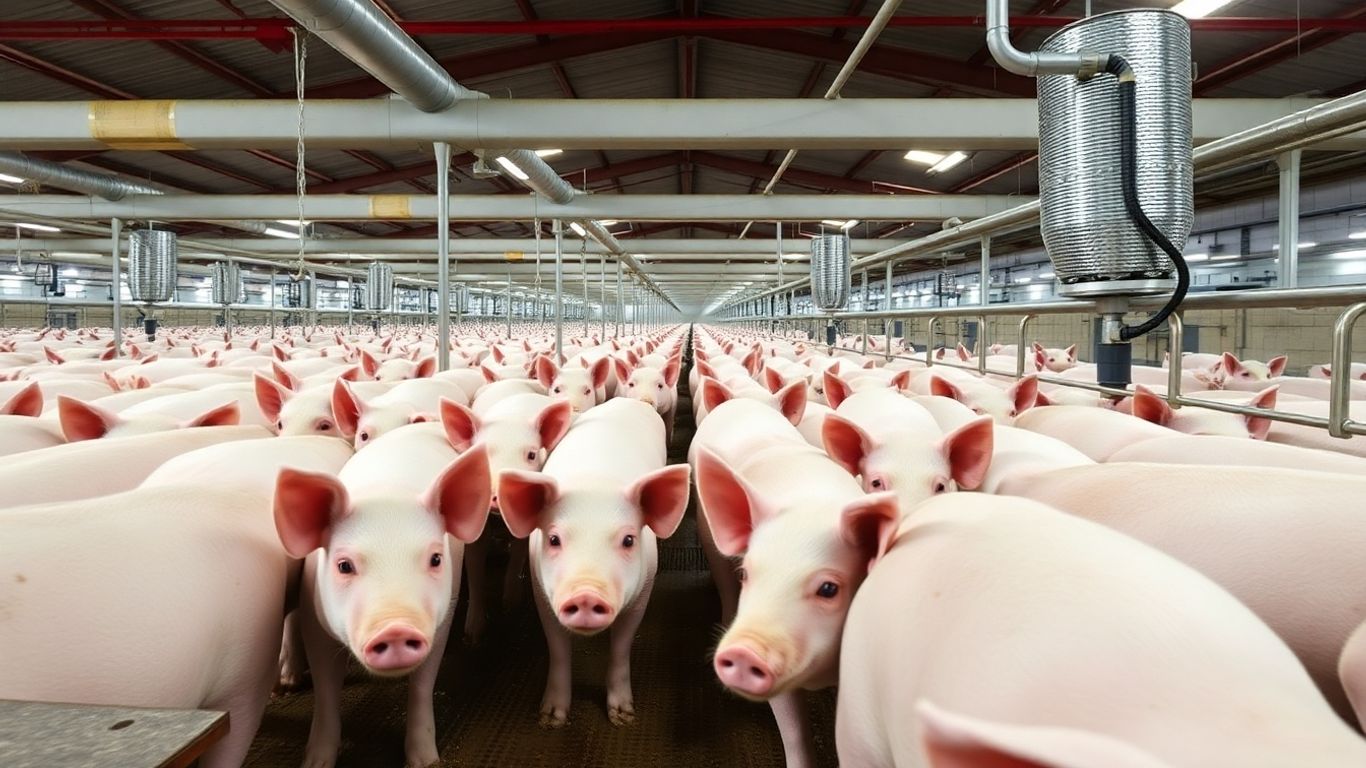
Farming pigs today is way more high-tech than it used to be. Producers are really digging into new ways to make things better, from the genetics of the pigs themselves to how they’re fed and managed. It’s all about efficiency and making sure the animals are healthy and productive.
Genetic Improvement and Precision Feeding
We’re seeing some pretty cool stuff happening with genetics. Breeders are working to develop pigs that grow faster, use feed more efficiently, and are more resistant to diseases. This isn’t just about making bigger pigs; it’s about smarter breeding. Alongside this, precision feeding systems are becoming more common. These systems use sensors and data to deliver the exact amount of nutrients each pig needs, at the right time. This cuts down on waste and makes sure the pigs are getting the best possible nutrition for growth and health. It’s a big step up from just tossing feed into a trough.
The Promise of Gene Editing Tools
Gene editing, like CRISPR, is a really exciting area. It allows scientists to make very specific changes to a pig’s DNA. Think about it: we could potentially develop pigs that are naturally immune to certain diseases, reducing the need for antibiotics. Or we could improve their ability to handle different environmental conditions. While there are still regulatory and public perception hurdles to clear, the potential for gene editing to revolutionize pork production is huge. It’s a tool that could help address many of the challenges the industry faces, making production more sustainable and animal health better. Many researchers are looking into how these tools can help improve all aspects of pork production, and it’s definitely something to keep an eye on in the coming years. You can find more information on advancements in the Japanese pig farming industry, for example, which is also exploring these techniques [4172].
Automation and Artificial Intelligence in Swine Operations
Automation is another game-changer. Robots and automated systems are starting to take over some of the more labor-intensive and repetitive tasks on farms. This could include things like automated cleaning systems, robotic feeders, and even systems that monitor individual pigs for signs of illness. Artificial intelligence (AI) is also playing a bigger role. AI can analyze vast amounts of data from sensors, cameras, and other sources to provide insights that farmers can use to make better decisions. For instance, AI could predict disease outbreaks before they happen or optimize feeding schedules based on real-time environmental data.
The integration of technology isn’t just about making things easier; it’s about creating a more responsive and data-driven farming system. This allows producers to fine-tune their operations, improve animal welfare, and ultimately produce a higher quality product more efficiently. It’s a shift towards a more scientific approach to raising pigs.
Here’s a quick look at some areas where technology is making a difference:
- Precision Feeding: Tailoring diets to individual pig needs.
- Environmental Controls: Automated systems for ventilation, temperature, and humidity.
- Health Monitoring: Sensors and cameras to detect early signs of illness.
- Robotics: Automating tasks like feeding, cleaning, and waste removal.
- Data Analytics: Using AI to interpret farm data for better decision-making.
Addressing Labor Challenges in Swine Farming
Demographic Trends and Rural Workforce Shortages
Finding and keeping good people to work on hog farms is getting tougher. It’s not just a small issue; it’s a big one. A lot of this has to do with how populations are changing. Rural areas, where most farms are, are seeing fewer young people and an older average age. This means there are simply fewer folks around who are looking for farm work. This demographic shift makes it harder for producers to fill positions, especially for year-round animal care roles. It’s a long-term trend that affects the whole agriculture sector, not just pork. We’re seeing this play out across the country, and it’s a real hurdle for keeping operations running smoothly. It’s tough when you can’t find the help you need, and it makes you think about how things used to be.
Suitability of Visa Programs for Animal Care
When it comes to bringing in workers from other countries, the current visa programs in the U.S. aren’t always the best fit for the kind of work involved in animal care on a farm. These programs often have rules that don’t quite match the year-round, hands-on nature of looking after pigs. For example, some visas might be geared more towards seasonal work, which isn’t what you need when animals require constant attention. This mismatch means that producers often struggle to use these programs effectively to get the consistent help they require. It’s a complicated system, and finding a workable solution for foreign labor that truly supports animal husbandry is a big question mark for many farmers.
Automation as a Solution to Labor Gaps
Because of these worker shortages, more and more farms are looking at technology to help out. Automation and new tech can take over some of the more repetitive or physically demanding jobs. Think about robotic feeders or automated cleaning systems. These kinds of tools can really make a difference when you don’t have enough people. It’s not about replacing people entirely, but more about using technology to fill in the gaps and make the jobs that are left more manageable. This can also help improve efficiency and consistency on the farm. It’s a smart way to adapt to the changing labor landscape and keep the farm productive. We’re seeing a lot of interest in these kinds of solutions, and it’s likely to become even more common as technology improves and labor continues to be a challenge. It’s a way to keep the farm running even when it’s hard to find workers.
The reality is that the nature of farm work has changed. It’s not just about manual labor anymore. Modern farms need people with different skills, and the available workforce doesn’t always match those needs. This is pushing the industry to find new ways to operate, and technology is a big part of that answer.
Here’s a look at how technology can help:
- Automated Feeding Systems: Reduce the need for manual feed delivery, saving time and labor.
- Robotic Cleaning: Machines can handle barn cleaning, improving hygiene and reducing physical strain on workers.
- Sensor Technology: Monitors animal health and environmental conditions, alerting staff to issues that might otherwise require constant human observation.
- Data Management Software: Helps track animal performance and farm operations, allowing for more efficient management with fewer staff.
These advancements are not just about efficiency; they are becoming necessary tools for maintaining operations in the face of a shrinking labor pool.
Animal Welfare and Regulatory Landscapes
State-Level Regulations on Sow Housing
It feels like every week there’s a new rule or law coming out about how pigs should be raised. Many states have started banning the use of gestation stalls, which are those individual crates where sows are kept during pregnancy. For instance, nine states have already put these bans in place. Some of these laws, like those in California and Massachusetts, go a step further by also prohibiting the sale of pork from pigs raised in stalls, even if those pigs came from out of state. It’s a big deal because California alone uses a huge amount of pork, and most of it isn’t even raised there. This means producers everywhere have to pay attention to what’s happening in these key markets.
Impact of Proposition 12 on the Pork Industry
Speaking of California, Proposition 12 has really shaken things up. This law sets specific minimum space requirements for egg-laying hens, broiler chickens, and, importantly for us, breeding pigs. It dictates that these animals must be raised with enough space to stand up, lie down, turn around, and stretch their limbs. The ripple effect of Prop 12 has been significant, forcing many producers to rethink their housing systems and supply chains to meet these new standards. For farms that supply pork to California, this has meant major adjustments. It’s not just about compliance; it’s about adapting to a changing market that’s increasingly influenced by consumer and legislative demands for better animal care. We’re seeing a lot of discussion about how to best meet these requirements while keeping farms productive and profitable. It’s a complex puzzle, and finding the right solutions is key for the future of pork production, especially for those looking to supply pork from PRRS-resistant pigs, where taste and safety are already priorities [cc9a].
Research into Animal Well-being Indicators
Beyond just the regulations, there’s a lot of ongoing research focused on understanding what makes pigs comfortable and healthy. Scientists are looking at all sorts of things, like how pigs behave in different housing setups, what sounds or environmental conditions they prefer, and how we can measure their overall well-being. This includes developing better ways to assess things like stress levels, social interactions, and general health. The goal is to move beyond just meeting minimum legal requirements and truly improve the lives of the animals in our care. It’s about finding practical, science-based approaches that benefit both the animals and the producers. Some of the key areas researchers are exploring include:
- Assessing pig behavior patterns in various environments.
- Improving housing systems to better suit natural pig behaviors.
- Developing reliable indicators to measure animal well-being.
- Creating practical guidelines for producers to implement.
Sustainability and Environmental Stewardship
Modern swine farming faces a growing pressure to be kinder to the planet. It’s not just about raising pigs anymore; it’s about doing it in a way that doesn’t mess up the environment for future generations. This means looking closely at how we use resources and manage waste.
Reducing Land, Water, and Greenhouse Gas Footprints
Farms are working to shrink their impact. This involves smarter feed choices, like using more agricultural by-products, and cutting down on protein levels in feed. Adding enzymes can also help pigs digest food better, meaning less waste. The goal is to make every bit of feed count.
Here are some key areas of focus:
- Feed Management: Optimizing diets to reduce nitrogen and phosphorus excretion.
- Manure Handling: Implementing better systems for storing, treating, and applying manure to prevent water and air pollution.
- Energy Use: Exploring renewable energy sources and improving energy efficiency on the farm.
Innovations in Soil, Water, and Air Management
There’s a lot of new thinking going into how farms manage their resources. For instance, some farms are looking at ways to reuse manure, perhaps by turning it into biogas or using it to fertilize crops in a more controlled way. This helps close the loop in farming systems. It’s about seeing waste not as a problem, but as a resource. We’re also seeing efforts to treat wastewater more effectively, so it doesn’t harm local water sources. This is a big deal for keeping our rivers and lakes clean. You can find more information on these practices at modern swine farming.
Consumer Demand for Ethically Produced Pork
People buying pork are asking more questions about where their food comes from and how it’s made. They want to know that the pigs were raised well and that the farm is taking care of the environment. This push from consumers is a big driver for farms to adopt more sustainable methods. It’s not just about following rules; it’s about meeting what people want to buy. This means farms need to be open about their practices and show how they are being good stewards of the land.
The challenge is balancing these environmental goals with the economic realities of farming. Making changes can be expensive, and farmers need support to adopt new technologies and practices that benefit both their bottom line and the planet.
Future Prospects for Family Swine Farms
The Enduring Role of Family-Owned Operations
Even with all the changes, family farms are still a big deal in raising pigs. They bring a certain dedication that larger companies sometimes miss. It’s not just about the numbers; it’s about a way of life and a commitment to the land and the animals. These farms often have deep roots in their communities, and that connection matters. They might be smaller, but their impact is significant, providing a unique contribution to the overall pork supply.
Strategies for Adaptation and Innovation
To keep going, family farms need to be smart and flexible. This means looking at new ways to do things, whether it’s adopting better technology or finding new markets. Staying informed about what’s happening in the industry is key. It’s also about being willing to change how you operate to meet new demands, like those around animal welfare or environmental care. Think about these points:
- Embrace Technology: Look into tools that can help with feeding, monitoring animal health, or managing the farm more efficiently. Automation can help with labor shortages too.
- Diversify: Sometimes, adding other farm activities or products can create more stable income streams.
- Collaborate: Working with other farmers or industry groups can provide support and open up new opportunities.
- Focus on Niche Markets: Producing specialty pork or focusing on specific quality attributes can attract customers willing to pay a premium.
The ability to adapt isn’t just about survival; it’s about finding new ways to thrive. It means being open to learning and trying different approaches, even if they seem a bit outside the box at first. This willingness to change is what will keep family farms relevant.
Building a Legacy for Future Generations
Ultimately, the goal for many family farmers is to pass the farm down. This means making decisions today that will set up the next generation for success. It involves not only keeping the business financially sound but also maintaining the values and passion that started the farm in the first place. Creating a sustainable and profitable operation is the best way to ensure the farm continues for years to come. It’s about building something lasting, a legacy that honors the past while looking forward to the future.
Looking Ahead: The Future of Swine Farming
So, where does all this leave us? The hog farming world is definitely changing, and it’s not always easy. We’ve seen how market ups and downs, new rules, and even global trade stuff can really shake things up. Plus, finding good workers is a constant headache. But here’s the thing: farmers are tough. They’re always looking for smarter ways to do things, using new tech to keep their animals healthy and their operations running smoothly. It’s about more than just raising pigs; it’s about feeding people, and that’s a big deal. By staying adaptable, focusing on what matters, and maybe embracing some of these new tools, the folks in this business can keep going strong. It’s a legacy, really, and one that’s worth fighting for.
Frequently Asked Questions
Why are pork prices changing so much?
Pork prices can change a lot because of things like new trade rules between countries, disagreements over taxes on imported goods, and how much pork people want to buy compared to how much is available. These factors can make prices go up or down quickly.
What does a modern pig farmer do besides raise pigs?
Today’s pig farmers are like super-managers! They not only take care of the pigs’ health but also act as nutritionists, helping decide what the pigs eat. They also manage the farm’s money, keep records, and make sure everything runs smoothly, which is a lot more than just farming.
How is technology changing pig farming?
Technology is making pig farming smarter and more efficient. Things like special sensors that track each pig’s needs, robots that help with chores, and computer programs that help farmers make better decisions are becoming more common. This helps farmers raise pigs better and faster.
Is it hard to find people to work on pig farms?
Yes, it can be tough to find workers. Fewer people are moving to rural areas where farms are, and the population is getting older. Some programs that bring in foreign workers aren’t always a good fit for the year-round jobs on a pig farm, so farms are looking for other solutions, like using more machines.
Are there new rules about how pigs are kept?
Yes, some places are making new rules about where and how pigs are housed, especially for mother pigs (sows). These rules are meant to improve the animals’ well-being. Some states have banned certain types of housing, and this affects how pork is sold across state lines.
How can pig farms be better for the environment?
Pig farms are working to be kinder to the environment. They are finding ways to use less land and water, and to produce fewer greenhouse gases. This includes using new methods to manage manure, improve soil health, and keep the air cleaner, all while meeting customer demands for pork that’s produced responsibly.