

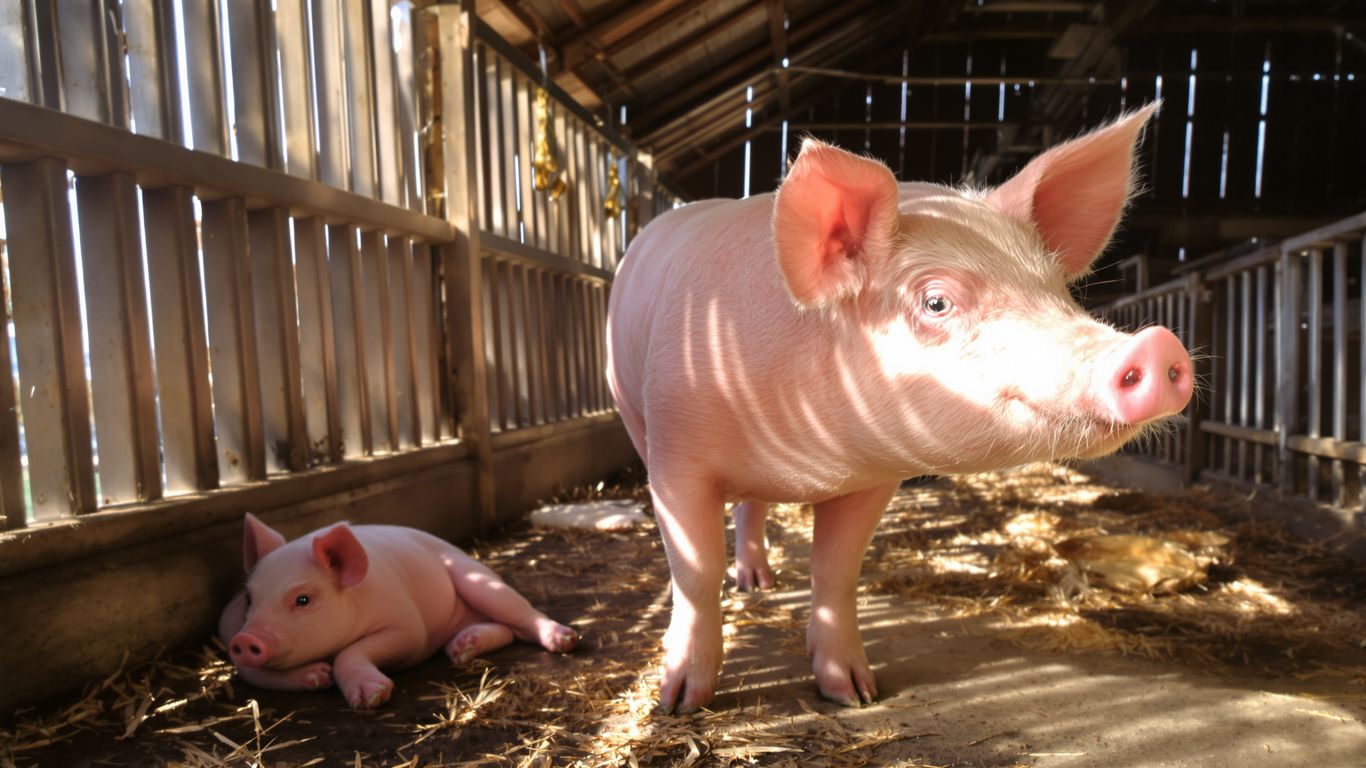
So, you’re looking into swine, huh? They’re pretty interesting animals, especially when you think about how much they’re used in research. It turns out pigs share a lot of similarities with us humans, which makes them useful for studying different health issues. We’ll go over their basic biology, how they’re managed in research settings, and some of the diseases they can get. Plus, we’ll touch on how they’re used in cutting-edge science and how their immune systems work. It’s a whole world to explore, really.
Key Takeaways
- Swine are valuable in research because their bodies are quite similar to human anatomy and physiology.
- Getting research swine involves specific sources, like Specific Pathogen-Free (SPF) pigs, and proper quarantine procedures.
- Diseases like those caused by Porcine Circovirus-2 (PCV2) and Salmonella are common concerns in swine populations.
- Good herd health management, including vaccinations and biosecurity, is key to preventing diseases in research swine.
- Swine are increasingly used in advanced research areas such as xenotransplantation and cardiovascular disease studies.
Understanding Swine Biology and Taxonomy
Pigs, or swine, are pretty amazing creatures when you get down to it. They’re not just farm animals; they’ve become really important in scientific research, and for good reason. Their bodies are surprisingly similar to ours in a lot of ways, which makes them a great stand-in for studying human health and disease.
Swine as Biomedical Models
Swine have really stepped up as models for all sorts of research. Think of them as stand-ins for humans when we need to test out new surgical techniques or study how diseases affect the body. Because their organs are similar in size and function to human organs, they’re particularly useful for things like cardiovascular studies and even transplantation research. It’s like having a living, breathing practice dummy for complex medical procedures.
Swine Species and Classification
So, where do pigs fit in the grand scheme of things? Scientifically speaking, domestic pigs belong to the species Sus scrofa domestica. They fall under the order Artiodactyla, which basically means they’re even-toed ungulates – think hoofed mammals with an even number of toes. The family they belong to is Suidae. While there are many different breeds out there, like the Poland China or the Red Wattle hog, they all share this basic classification. It’s interesting to see the variety within the species, and knowing their classification helps researchers understand their basic biological makeup. You can find more details on various pig breeds.
Anatomic and Physiological Similarities to Humans
This is where things get really interesting for researchers. Swine share a lot of anatomical and physiological traits with humans. For example, their cardiovascular system, skin, and even their digestive system have parallels to our own. This makes them excellent models for studying conditions like heart disease, skin disorders, and gastrointestinal issues.
Here’s a quick look at some key similarities:
- Cardiovascular System: Similar heart structure, coronary artery patterns, and response to certain cardiovascular drugs.
- Skin: Thick skin with similar layers, making it useful for dermatological and burn research.
- Digestive System: Comparable gastrointestinal tract length and function, useful for studying digestive diseases.
- Immune System: While there are differences, many aspects of the swine immune system mirror human responses, aiding in immunology research.
The close resemblance in organ size and function means that procedures and treatments tested in swine often translate well to human clinical trials. This similarity is a major reason for their increasing use in translational research, bridging the gap between lab discoveries and patient care.
Acquiring and Managing Research Swine
Getting the right pigs for your research is a big deal, and it’s not just about picking the cutest ones. You need to think about where they come from and how they’re handled from the start.
Availability and Sources of Research Swine
Most research pigs come from commercial farms that raise them for meat, but not all herds are created equal. It’s really important to know the health status of the animals you’re getting. Ideally, you want to buy from a single source that has a known, good health history. This helps take advantage of the herd’s natural immunity. Mixing pigs from different places, especially if you don’t know their health background, is generally a bad idea. It can introduce diseases and stress the animals. When you’re looking for suppliers, check if they’re validated by the USDA for things like brucellosis and pseudorabies. Some commercial suppliers also offer lab animals, but the selection might be limited compared to the general meat production market. It’s always a good move to have your own vet screen potential sources for any diseases that could mess with your experiments.
Specific Pathogen-Free (SPF) Swine
SPF pigs are a popular choice for research. This designation means the farm follows specific management practices to cut down on diseases that can slow growth. Think of it as a higher standard of care. However, it’s important to remember that SPF doesn’t mean the pigs are totally free of all diseases. It’s more about reducing common issues. So, even with SPF animals, it’s wise to confirm their health status with your veterinarian before bringing them into your facility. They are generally a better starting point for research than pigs from conventional herds.
Quarantine and Conditioning Protocols
Once you get your new pigs, they need some time to settle in. This period is called quarantine and conditioning. Give them at least 72 hours to get used to their new surroundings before doing any major exams or tests. During this time, you can do initial health checks and parasite screenings. It’s also a good time to gradually change their diet if needed, maybe adding more fiber if they seem stressed and have diarrhea. For adult pigs that will stay with you long-term, regular check-ups are a must, including weighing them and checking for parasites. Vaccination schedules for adult pigs should be planned based on your specific research needs, housing conditions, and how close your herd is to other animals with unknown health statuses. A well-managed herd health program, like maintaining SPF status, can significantly reduce issues like diarrhea, making your research more reliable. You can find more information on animal welfare standards through organizations like American Humane American Humane.
Here’s a quick rundown of what to consider:
- Source Verification: Buy from reputable vendors with known health histories.
- SPF Status: Consider SPF pigs for a better baseline health.
- Isolation: Separate new arrivals from existing populations.
- Acclimation: Allow at least 72 hours for adjustment.
- Health Monitoring: Conduct initial exams and ongoing checks.
- Dietary Adjustments: Make changes gradually.
- Vaccination/Deworming: Follow a schedule based on risk assessment.
Proper management from the moment you acquire your swine is key to successful research. It minimizes variables and helps ensure the health and well-being of the animals, which directly impacts the quality of your data. Paying attention to these initial steps sets the stage for everything that follows.
Common and Emerging Swine Diseases
Polysystemic Disease Manifestations
When working with research swine, it’s important to know about diseases that can affect multiple body systems. While many commercially raised pigs, especially those from Specific Pathogen-Free (SPF) herds, are quite healthy, stress from experiments or changes in environment can sometimes make them susceptible to opportunistic infections. These diseases can show up in various ways, making them tricky to pin down. Keeping a close eye on the overall health of the herd is key to catching these issues early.
Porcine Circovirus-2 (PCV2) and Associated Syndromes
Porcine Circovirus-2, or PCV2, is a relatively recent player on the swine disease scene. It’s known for causing a wide range of problems, often affecting all sorts of organs. What makes PCV2 particularly challenging is that it frequently teams up with other infections, making the symptoms even more varied and complex. This can lead to what’s broadly termed Porcine Multisystemic Wasting Syndrome (PMWS) or other PCV2-associated diseases, impacting growth, the immune system, and overall well-being.
Salmonellosis in Swine Herds
Salmonella is a big group of bacteria, with over 2,400 types, and a few of them are common culprits in causing illness in pigs. These bacteria are typically rod-shaped and can cause gastrointestinal issues, leading to diarrhea. While many pigs might carry Salmonella without showing signs, stress can trigger the disease. It’s a concern not just for the pigs’ health but also because some strains can be passed to humans. Proper hygiene and management are vital to keep Salmonella in check.
Emerging Viral Threats in Swine
The world of swine diseases is always changing, with new viruses popping up or spreading into areas where they weren’t seen before. Things like Nipah virus and various strains of influenza can pose significant risks. These viruses can spread quickly and have serious consequences for animal health and, in some cases, human health too (reverse zoonosis). Staying informed about new viral threats and maintaining strong biosecurity measures are critical for protecting research populations.
Disease Prevention and Health Management
Keeping a research herd healthy is a big deal, and honestly, it’s not always as straightforward as you’d think. It’s all about being proactive, not just reactive when something goes wrong.
Importance of Herd Health Management
Good herd health management is the bedrock of reliable research. When pigs are healthy, your data is more likely to be clean and repeatable. It means fewer animals lost to illness and less variability in your experimental results. Think of it like this: if you’re trying to test a new drug, but half your subjects have underlying health issues, how can you be sure the drug is working as intended? It’s a bit like trying to bake a cake with expired ingredients – you might get something, but it’s probably not going to turn out right. A well-managed herd minimizes confounding factors.
Vaccination Strategies for Swine
Vaccines are a pretty standard tool in the toolbox for preventing disease. They help prime the pigs’ immune systems to fight off specific pathogens. The trick is knowing which vaccines to use and when. It’s not a one-size-fits-all situation. Factors like the specific pathogens circulating in your area, the age of the pigs, and even the stress levels they’re experiencing can influence how well a vaccine works. Sometimes, maternal antibodies from the sow can interfere with a piglet’s response to a vaccine, so timing is everything. It’s often a good idea to work with a veterinarian to figure out the best vaccination schedule for your specific research facility.
Parasite Control in Swine Populations
Parasites are another sneaky problem that can really mess with a research herd. They can weaken the pigs, making them more susceptible to other diseases, and can also affect growth rates and overall health. Keeping parasites in check usually involves a multi-pronged approach. This can include:
- Regular fecal testing to identify what parasites, if any, are present.
- Using approved deworming medications at appropriate times.
- Maintaining good sanitation in housing areas to break parasite life cycles.
- Controlling rodents and insects, which can sometimes act as intermediate hosts for certain parasites.
Biosecurity Measures for Research Facilities
Biosecurity is basically about keeping the bad stuff out. This is especially important in research settings where you might have animals with specific health statuses or experimental treatments. It involves a whole lot of little things that add up. For instance, controlling who comes in and out of the facility, making sure vehicles are cleaned, and even how feed and water are managed all play a role. Strict protocols for animal handling and preventing contact between your research animals and outside animals are also key. If you’re bringing in new animals, proper quarantine and conditioning are non-negotiable. It’s all about creating a barrier against disease introduction and spread, much like the measures discussed for preventing Foot-and-Mouth Disease.
Preventing disease isn’t just about treating sick animals; it’s about creating an environment where they are less likely to get sick in the first place. This involves a constant effort to maintain high standards of hygiene, nutrition, and animal welfare, alongside strategic use of veterinary interventions like vaccines and parasite control. It’s a continuous process, not a one-time fix.
Swine in Advanced Research Applications
Swine in Xenotransplantation Studies
It’s pretty amazing how much pigs are helping out in medical research, especially when it comes to transplants. Because their bodies are so similar to ours in many ways, scientists are looking at using pig organs for people who need them. This whole field is called xenotransplantation. It’s not as simple as just taking an organ and putting it in, though. There are a few hurdles to get over.
- Immune Rejection: Our bodies are really good at recognizing what’s ‘self’ and what’s ‘foreign.’ When a pig organ is put into a human, the human immune system can attack it, thinking it’s an invader. Researchers are working on ways to change the pig’s genes to make its organs less likely to be rejected.
- Disease Transmission: There’s also a concern about passing on diseases from pigs to humans, even if they’re not obvious. Strict health screening and genetic modifications are key to minimizing this risk.
- Organ Size and Function: While pig organs are similar, they aren’t always a perfect match in size or function for humans. Ongoing research aims to optimize these aspects.
The goal is to create a reliable source of organs for patients waiting for transplants, potentially saving many lives. It’s a complex area, but the progress being made is really encouraging.
Swine Genome Sequencing and Its Impact
Knowing the genetic makeup of pigs, thanks to the sequencing of their genome, has really opened up new doors for research. Think of it like having a detailed map. This map helps scientists:
- Identify genes related to specific diseases, making it easier to create pig models that mimic human conditions.
- Develop genetically modified pigs that are better suited for research, like those with altered immune systems or specific disease resistances.
- Understand the biological processes in pigs more deeply, which can then be applied to human health.
This genetic information is a game-changer for developing more accurate and effective research models. It allows for more targeted studies, speeding up the discovery of new treatments.
Swine Models for Cardiovascular Disease
When it comes to studying heart and blood vessel problems, pigs have turned out to be surprisingly good stand-ins for humans. Their cardiovascular systems share a lot of similarities with ours, including the size and structure of their hearts and blood vessels. This makes them useful for:
- Testing new surgical techniques for heart conditions.
- Evaluating the effectiveness and safety of medical devices like stents and artificial valves.
- Investigating the causes and progression of diseases like atherosclerosis (hardening of the arteries).
Researchers can induce conditions in pigs that mimic human heart disease, allowing them to observe the disease process and test interventions in a living system that closely resembles our own. This kind of research is vital for improving treatments for heart disease, which is a major health concern worldwide.
Swine Immunology and Disease Resistance
Similarities and Differences in Swine Immunology
When we look at how pigs’ immune systems work, there are some pretty interesting parallels to humans. For instance, the way their immune cells, like lymphocytes, respond to certain signals, such as interleukin-2, shows a degree of similarity. This is why pigs are often used in research, especially when studying things like transplantation. The genes that control immune responses, known as Swine Leukocyte Antigens (SLAs), are also quite comparable to the human Major Histocompatibility Complex (MHC). These SLAs play a big role in how the body recognizes and fights off foreign invaders, much like in people. However, it’s not a perfect match. For example, the way pigs clear immune complexes, which are basically clumps of antibodies and antigens, happens through the lungs. In humans, this process is different. Understanding these nuances is key when using pigs as models for human diseases or treatments.
Factors Influencing Disease Resistance
Several things can affect how well a pig can fight off illness. The environment they live in plays a huge part; pigs raised in cleaner, more controlled settings, like those under Specific Pathogen-Free (SPF) conditions, generally have stronger immune systems than those from conventional farm settings. This is because they are exposed to fewer pathogens from the start. Also, a pig’s nutritional status is really important. Good nutrition supports a healthy immune system, making them better equipped to handle challenges. Stress can also weaken their defenses, making them more susceptible to infections. It’s a complex interplay of genetics, environment, and overall care.
Immune Complex Clearance in Swine
One of the more distinct features of swine immunology is how they handle immune complexes. These complexes form when antibodies bind to antigens, and their efficient removal is vital for preventing damage to tissues. In pigs, the primary route for clearing these complexes is through the lungs. This is quite different from humans, where the liver and kidneys are more involved in this process. This difference is something researchers need to keep in mind, especially when studying diseases or therapies that involve immune complex formation. It highlights how even closely related species can have unique mechanisms for maintaining health. The study of these mechanisms is ongoing, and new insights are constantly being developed, which could have implications for understanding various immune-mediated conditions in both pigs and humans. For example, understanding how certain viruses, like African Swine Fever Virus, manage to evade the immune system is a major area of research, and it involves looking at how these viruses interact with the pig’s immune defenses African Swine Fever Virus.
Here’s a quick look at some factors affecting resistance:
- Health Status: SPF pigs generally show better resistance than conventionally raised pigs.
- Nutrition: Proper diet is vital for a robust immune response.
- Stress Levels: High stress can suppress immune function.
- Age: Younger pigs may have less developed immune systems.
- Genetics: Certain genetic lines might have inherent advantages in disease resistance.
Wrapping Up Our Swine Journey
So, we’ve covered a lot about pigs, from how their bodies work to keeping them healthy. It’s pretty clear they’re more than just farm animals; they play a big role in science and medicine. Understanding their biology helps us figure out diseases, and knowing how to prevent sickness is key, especially with new health issues popping up. Whether for research or just general knowledge, keeping up with swine health is important for everyone involved. It’s a complex topic, but hopefully, this gives you a better idea of what makes these animals tick and why their well-being matters.
Frequently Asked Questions
Why are pigs used in scientific research?
Pigs are used in research because their bodies are quite similar to human bodies in many ways. This makes them good stand-ins for studying human health and diseases, and for testing new treatments or surgical methods.
What does ‘Specific Pathogen-Free’ (SPF) mean for pigs?
SPF pigs are raised in special environments and through careful management to greatly reduce or get rid of common diseases that can slow their growth. While it doesn’t mean they are totally free of all germs, it makes them a more reliable choice for research studies.
What are some common health problems seen in research pigs?
Pigs can get various illnesses, including those that affect many parts of their body. Diseases like Porcine Circovirus-2 (PCV2), which can cause pigs to waste away, and salmonellosis, a type of food poisoning, are important to watch out for. New viruses can also pop up.
How can we keep research pigs healthy?
Keeping pigs healthy involves good overall herd management, which includes giving them the right vaccinations, controlling parasites like worms, and having strict rules to prevent germs from entering the research facility. This is called biosecurity.
Are pigs used for organ transplants in humans?
Yes, scientists are studying how to use pig organs for transplants into humans, a process called xenotransplantation. This is a complex area of research, and understanding pig biology is key to making it work safely.
How is a pig’s immune system like or unlike a human’s?
Pigs and humans share many similarities in how their immune systems work, which is why they are good models. However, there are also differences. Learning about these similarities and differences helps researchers understand how pigs respond to diseases and treatments.