

The way we raise and eat poultry in Australia is changing, and fast. It’s not just about producing more chicken; it’s about producing it better. Consumers are asking for more, and farmers are stepping up with new ideas and technology. From what the chickens eat to how they’re cared for, and even how we track them from the farm to our plates, everything is getting an upgrade. This article looks at what’s happening now and what’s coming next in Poultry Farming in Australia.
Key Takeaways
- Australian consumers want more organic and free-range chicken, focusing on animal welfare and ethical choices.
- New technologies like automation and data analytics are making poultry farms more efficient and sustainable.
- The industry faces challenges like disease outbreaks and rising costs, but also sees growth opportunities in exports and new food products.
- Digital tools, including farm management software and AI, are becoming vital for modern poultry operations.
- Environmental concerns are pushing farms to manage emissions, water use, and waste more carefully, driven by regulations and consumer demand.
Evolving Consumer Preferences in Poultry Farming in Australia
It feels like just yesterday we were all happy with whatever chicken was on sale, but things have really changed, haven’t they? Australians are definitely looking at their food differently these days, and the poultry industry is having to keep up. It’s not just about having chicken on the table anymore; it’s about how that chicken got there.
Increased Demand for Organic and Free-Range Products
This is a big one. More and more people are asking for chicken that’s been raised organically or free-range. This means chickens that have had more space to roam, access to the outdoors, and haven’t been treated with certain antibiotics or fed genetically modified feed. It’s a move towards what folks consider more natural and less processed. For farmers, this often means rethinking their setups and investing in different kinds of housing and land management. It’s a shift that reflects a growing concern for animal well-being and a desire for food perceived as healthier.
Focus on Animal Welfare and Ethical Consumption
Beyond just organic and free-range, there’s a broader push for better animal welfare. Consumers are more aware of farming practices and want to know that the animals were treated humanely throughout their lives. This includes everything from housing conditions to transportation and processing. Ethical consumption is becoming a major factor in purchasing decisions, especially for younger generations. They’re asking questions about the entire lifecycle of the product, not just the final price tag.
Impact of Gen Z and Gen Alpha on Market Trends
Speaking of younger generations, Gen Z and Gen Alpha are really shaking things up. They grew up with the internet and have easy access to information about food production and its impact. They tend to be more conscious about sustainability, animal welfare, and the environmental footprint of their food choices. This means they’re more likely to seek out brands that align with their values, pushing companies to be more transparent and responsible in their operations. They’re also big on convenience and often look for ready-to-eat or easy-to-prepare options, but not at the expense of ethical considerations.
Technological Innovations Driving Efficiency in Poultry Farming
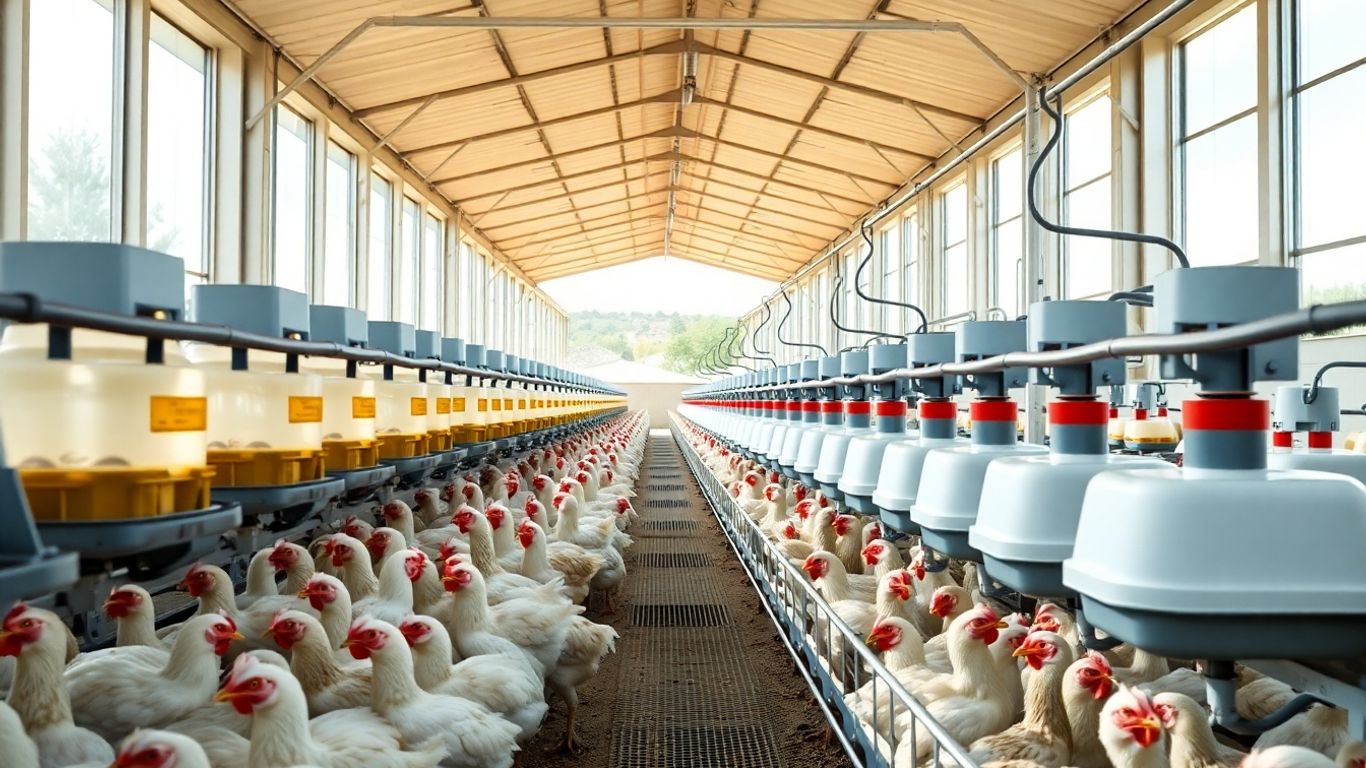
Australian poultry farmers are really stepping up their game with new tech. It’s not just about keeping up anymore; it’s about getting ahead and doing things smarter. Think less manual labor, more data, and better control over everything that happens on the farm.
Automation and Data Analytics in Production
We’re seeing a big shift towards automating tasks that used to take up so much time. This includes things like feeding systems that dispense the right amount of food at the right time, and climate control systems that adjust automatically based on the birds’ needs. All this data being collected – from feed intake and water consumption to bird activity and mortality rates – is being crunched by analytics software. This allows farmers to spot trends and potential problems much earlier than before. For instance, a sudden drop in feed intake might signal a health issue that needs immediate attention, preventing a larger outbreak.
Here’s a quick look at how some automated features are impacting efficiency:
| Feature | Estimated Efficiency Improvement (%) | Sustainability Benefit | Welfare Enhancement |
|---|---|---|---|
| Automated Feed Management | 12–18 | Yes | Yes |
| Real-Time Health Monitoring | 20–25 | Yes | Yes |
| IoT Environmental Control | 15–22 | Yes | Yes |
Smart Farming Technologies and Real-Time Monitoring
Smart farming is all about connecting different parts of the operation so they can ‘talk’ to each other. This often involves using sensors and the Internet of Things (IoT). Imagine sensors in the barn constantly measuring temperature, humidity, and air quality. This information is sent wirelessly to a central system, which can then automatically adjust ventilation or heating. It means farmers can keep a close eye on their flock’s environment, even when they’re not physically there. This constant monitoring helps maintain optimal conditions, which is good for the birds’ health and growth, and can even reduce energy use by only running systems when needed.
Keeping the barn environment just right is a big deal. Too hot, too cold, or poor air quality can stress the birds, slow their growth, and make them more susceptible to illness. Smart tech takes the guesswork out of it.
Blockchain for Traceability and Food Safety
Traceability is becoming a really big deal for consumers and regulators alike. Blockchain technology offers a way to create a secure and transparent record of a bird’s journey from the farm to the table. Every step – from hatching and feed sourcing to processing and distribution – can be recorded on an immutable ledger. This means if there’s ever a food safety concern, like a contamination issue, it’s much easier and faster to pinpoint exactly where the problem occurred. It builds trust with consumers and helps farmers meet stringent Australian food safety standards. It’s a powerful tool for accountability across the entire supply chain. This technology is also helping to streamline compliance with new regulations around emissions and environmental impact reporting. Farmers are using these systems to track and report on their operations more accurately, which is becoming increasingly important. For example, systems are being developed to track feed ingredients and their origins, which can be linked to greenhouse gas emissions data. This level of detail is vital for meeting new reporting requirements and demonstrating a commitment to sustainability. The integration of these technologies is not just about efficiency; it’s about building a more resilient and trustworthy food system for the future.
Addressing Challenges in the Australian Poultry Sector
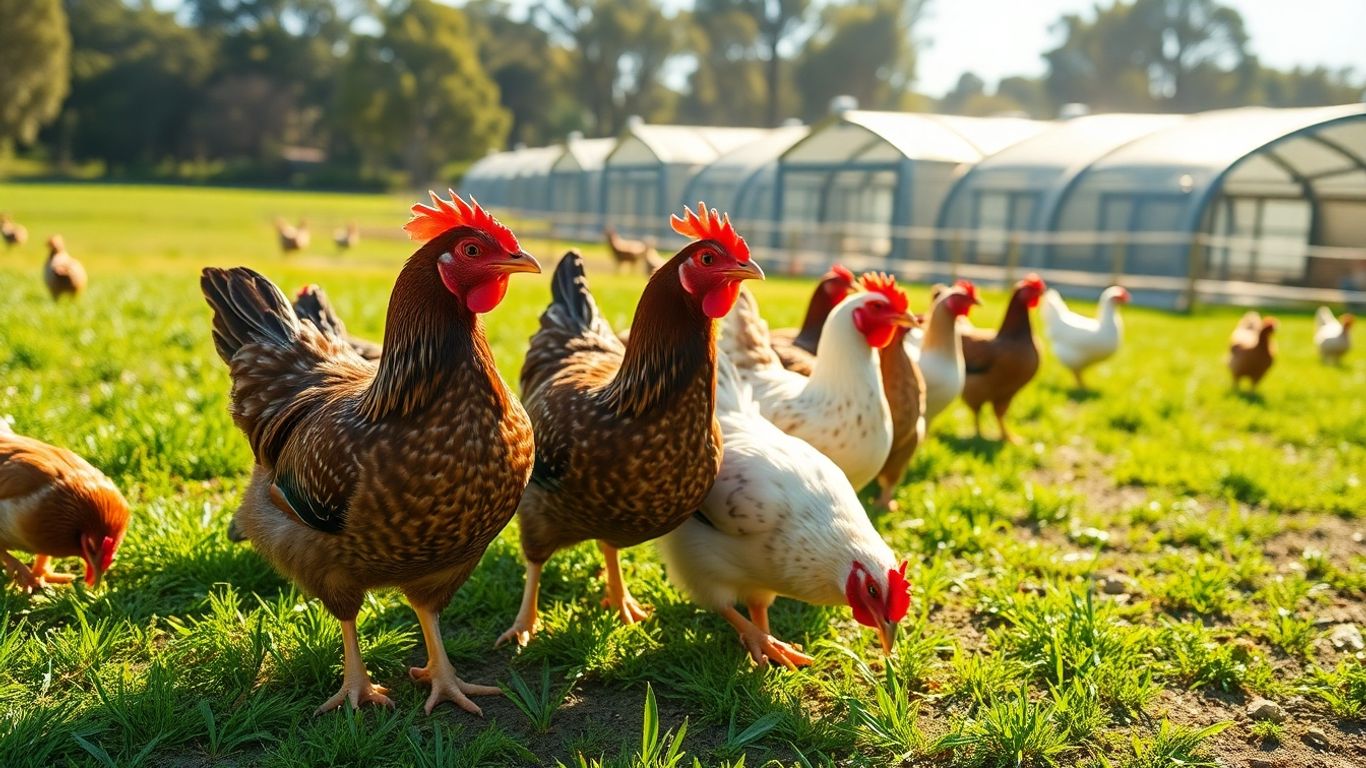
The Australian poultry industry, while growing, faces a few significant hurdles that keep producers on their toes. It’s not all smooth sailing, and staying ahead means tackling these issues head-on.
Managing Avian Influenza Outbreaks and Biosecurity
Avian influenza, or bird flu, is a constant worry. We saw a pretty big scare in 2024, with millions of birds having to be culled. This really messes with supply, leading to shortages and even limits on how much chicken or eggs people could buy. Because of this, there’s a big push for better biosecurity. Farms are investing in new equipment, like mobile labs and special units for dealing with outbreaks quickly. It’s all about stopping the disease from spreading and keeping the rest of the flock safe. This means stricter rules on who can come onto the farm and how things are cleaned.
Navigating Rising Input and Feed Costs
Feed is a huge part of what it costs to raise chickens, and lately, those costs have been going up. Things like grain prices, which can swing wildly because of weather or global events, really hit the bottom line. Transportation costs and general inflation don’t help either. When the price of corn or soy goes up, farmers either have to eat the cost, which is tough, especially for smaller operations, or they have to charge more for their products. This can make Australian chicken less competitive compared to imports. Finding ways to secure feed supplies or use alternative feed sources is becoming really important for stability.
Environmental Sustainability and Reducing Footprint
There’s a lot of talk about the environmental impact of farming, and poultry is no exception. Consumers and regulators are paying more attention to things like water use, waste management, and greenhouse gas emissions. Farms are looking at ways to be more eco-friendly, like using renewable energy, recycling manure, and finding water-saving technologies. These changes often require big investments in new equipment or rethinking how the farm is set up. It’s a balancing act, trying to be good for the planet while still running a profitable business. Meeting new regulations and consumer expectations for sustainability is a big challenge, but it’s also an opportunity to innovate.
The industry is constantly adapting to new pressures, from disease control to cost management and environmental responsibility. Success hinges on smart investments and a proactive approach to these ongoing challenges.
Growth Opportunities for Poultry Farming in Australia
Australia’s poultry sector is looking pretty good, with a few key areas showing real promise for expansion. It’s not just about meeting domestic demand anymore; there are definite avenues for growth that can really boost the industry.
Expansion into International Export Markets
Australia’s reputation for clean, safe food production gives it a leg up when it comes to selling poultry overseas. Countries in Asia and the Middle East, in particular, are showing increased interest in high-quality chicken. As incomes rise in these regions, people are looking for better food options, and Australian poultry fits the bill. Plus, with trade deals making things smoother, getting our products to these growing markets is becoming easier. Focusing on things like halal certification and offering a variety of frozen or processed chicken products could really open doors.
Development of Plant-Poultry Hybrid Products
There’s a growing trend of people wanting to eat less meat, but not necessarily go fully vegetarian. This is where plant-poultry hybrids come in. By mixing lean chicken with plant-based ingredients like beans or grains, companies can create healthier, lower-fat options. These products appeal to people who are health-conscious and also care about sustainability. It’s a smart way for Australian producers to offer something new, potentially lower their costs, and attract a wider range of consumers, both here and abroad.
Leveraging Quick-Service Restaurant and Foodservice Demand
The way Australians eat is changing, with more people opting for quick and convenient meals. This means the demand from fast-food chains and other food services is really taking off. Chicken is a popular choice because it’s versatile and generally well-liked. Think chicken burgers, wraps, and fried chicken – these are staples on many menus. The rise of food delivery apps also means more poultry is being consumed. As these sectors continue to grow, they provide a steady and increasing market for poultry producers.
| Product Category | Growth Driver |
|---|---|
| Quick-Service | Convenience, affordability, popularity of chicken |
| Foodservice | Diverse menu options, catering to various cuisines |
| Value-Added Poultry | Busy lifestyles, demand for ready-to-eat meals |
| Plant-Poultry Hybrids | Health consciousness, flexitarian diets |
The Role of Digital Transformation in Poultry Management
Adoption of Advanced Farm Management Software
Modern poultry operations in Australia are increasingly turning to sophisticated farm management software. These systems are designed to bring order to the chaos of running a farm, consolidating everything from flock health records to feed schedules into one place. Think of it as a digital brain for your farm. This shift away from paper ledgers and scattered spreadsheets is about making life easier and farms more efficient. It helps track individual bird health, manage vaccination timelines, and even predict potential disease outbreaks before they become a big problem. It’s not just about keeping records; it’s about using that information to make smarter decisions.
Cloud and IoT Integration for Remote Monitoring
Cloud-based platforms and the Internet of Things (IoT) are changing how farmers interact with their flocks. IoT sensors can be placed throughout the farm to monitor things like temperature, humidity, and air quality in real-time. This data is then sent to the cloud, allowing farmers to check on their birds from anywhere, using their phone or computer. This means you can get an alert if the barn gets too hot, even if you’re miles away. It’s about having constant oversight without needing to be physically present all the time.
Here’s a quick look at what IoT sensors can track:
- Temperature and humidity levels
- Ammonia and CO2 levels in the air
- Feed and water consumption rates
- Light intensity
AI and Satellite Data for Farm Operations
Looking ahead, artificial intelligence (AI) and satellite data are set to play an even bigger role. AI can analyze the vast amounts of data collected by farm management software and IoT devices to identify patterns that humans might miss. This could mean predicting feed conversion ratios more accurately or spotting subtle changes in flock behavior that indicate stress or illness. Satellite imagery, while perhaps less common for direct poultry monitoring, can provide broader context, such as weather patterns or regional environmental conditions that might impact farm operations. The goal is to move from reacting to problems to proactively managing the farm based on predictive insights.
| Technology | Primary Benefit |
|---|---|
| Farm Management Software | Centralized data and process control |
| IoT Sensors | Real-time environmental and flock monitoring |
| AI Analytics | Predictive insights and pattern recognition |
| Satellite Data | Broader environmental and regional context |
Sustainability and Regulatory Landscape in Poultry Farming
Mandatory Disclosure of Greenhouse Gas Emissions
Australia’s poultry sector is really starting to feel the heat when it comes to environmental reporting. Starting in 2025, there’s a big push for mandatory disclosure of greenhouse gas (GHG) emissions, including those tricky Scope 3 emissions that come from the whole supply chain. This means farms need to get a handle on their carbon footprint, from the feed they buy to how they transport their products. It’s a significant shift, pushing businesses to think more deeply about their impact and how to reduce it. This new era of transparency is pushing the industry towards more sustainable practices.
Water Consumption and Waste Management Strategies
Beyond emissions, water use and waste management are also hot topics. Poultry operations can be thirsty work, and dealing with manure and other byproducts needs careful planning. Many farms are looking at ways to cut down on water usage, maybe through more efficient cleaning methods or better water recycling. When it comes to waste, there’s a growing interest in turning manure into valuable resources, like fertilizer or even energy, rather than just seeing it as something to get rid of. It’s all about making the whole process more circular and less wasteful.
Compliance with Environmental Regulations
On top of voluntary sustainability goals, there are also the actual rules and regulations to follow. These can cover everything from how waste is handled to air and water quality. Keeping up with these can be a challenge, especially for smaller operations that might not have the same resources as the big players. It means staying informed about what’s expected and making sure the farm’s practices line up. This often involves investing in new equipment or changing old habits, which isn’t always easy but is becoming necessary to operate responsibly and stay in business.
Here’s a quick look at some key areas:
- Water Use: Implementing water-saving technologies and recycling systems.
- Waste Management: Exploring options for manure recycling and reducing landfill waste.
- Energy Efficiency: Adopting renewable energy sources and energy-saving equipment.
- Feed Sourcing: Considering the environmental impact of feed production and transport.
The pressure to be more environmentally friendly is coming from all sides – government regulations, consumer expectations, and even the companies that buy poultry products. It’s a complex picture, but it’s also driving some really interesting changes in how Australian poultry farms operate.
Looking Ahead: The Future of Australian Poultry Farming
So, what does all this mean for Australian poultry farming? It’s clear the industry is changing, and fast. We’re seeing a big push towards more ethical and sustainable practices, driven by what people want to buy. Plus, new tech is popping up everywhere, helping farms run smoother and safer. Even with challenges like disease outbreaks and rising costs, the sector seems ready to adapt. By embracing these shifts and investing smartly, Australian poultry farms are setting themselves up for a strong future, meeting demands both here and abroad.
Frequently Asked Questions
Why are more people in Australia wanting organic and free-range chicken?
Many Australians are choosing organic and free-range chicken because they care more about how animals are treated and how farming affects the environment. They want to make sure the chickens have a good life and that the farms are using methods that are kinder to the planet.
What is ‘smart farming’ in poultry, and how does it help?
Smart farming uses technology like sensors and computers to help farmers manage their farms better. It can automatically feed the chickens, control the temperature in the barns, and keep an eye on the birds’ health. This makes farming more efficient and helps ensure the chickens are healthy and well-cared for.
What are the biggest problems facing chicken farmers in Australia right now?
Farmers are dealing with a few big issues. One is the cost of feed and other supplies, which keeps going up. Another major challenge is preventing bird flu, also known as avian influenza, which can spread quickly and cause a lot of sickness and death among chickens. Farmers also need to find ways to farm more sustainably to reduce their impact on the environment.
Are Australian chicken farmers selling their products to other countries?
Yes, Australia has a good reputation for producing safe and high-quality chicken. Farmers are looking to sell more chicken to countries in Asia and the Middle East, where many people are starting to eat more chicken and want products that are produced ethically and safely.
How is technology like AI and blockchain being used in chicken farming?
Artificial intelligence (AI) can help analyze data to make better decisions about feeding and health. Blockchain technology can track chicken from the farm all the way to the store, so people know exactly where their food came from and that it was produced safely and ethically. This makes the whole process more open and trustworthy.
What does it mean for farms to be ‘sustainable’?
Being sustainable means farming in a way that doesn’t harm the environment for future generations. For chicken farms, this includes using less water, managing waste properly, and reducing greenhouse gas emissions. It’s about finding a balance between producing food and protecting the planet.