

Getting into cattle farming can seem like a lot, especially when you’re just starting out. It’s not just about the animals themselves, but also how you manage the land, what you feed them, and keeping them healthy. Plus, making sure the whole operation makes money is a big part of it. This guide breaks down some important ideas to help you succeed in cattle farming.
Key Takeaways
- Focus on giving your cattle the right food. This means figuring out what they need based on their age and health, and making sure they get a good mix of nutrients.
- Keep your herd healthy by staying on top of vaccinations and controlling pests. Watch for any signs of sickness and act fast to stop it from spreading.
- Take care of your land. Using methods like moving your cattle around different pastures helps the grass grow back and keeps the soil and water in good shape.
- Think about using technology. Things like tracking data can help you make smarter choices for your farm, and new tools can make your work easier.
- Treat your cattle farming like a business. Have a plan, think about your money, and figure out the best ways to sell your products.
Mastering Cattle Nutrition
Getting the food right for your cattle is a big deal. It’s not just about filling their bellies; it’s about giving them exactly what they need to stay healthy and grow well. Think of it like this: you wouldn’t eat the same thing every single day and expect to feel great, right? Cattle are the same way.
Customizing Diets for Optimal Health
Every animal is different. A young calf needs different food than a cow ready to have a calf, or a steer being fattened up. You’ve got to look at their age, how much they weigh, if they’re sick or healthy, and what you want them to do – like produce milk or gain weight. Tailoring their meals to these specific needs is key to keeping them in top shape.
Balancing Essential Nutrients
Cattle need a mix of things in their diet: proteins for building muscle, carbs for energy, and all sorts of vitamins and minerals. It’s like making sure you get your fruits, veggies, and grains. If your pastures are looking a bit thin or aren’t providing everything, you might need to add in some feed or supplements. Getting this balance right means they’ll be more productive and less likely to get sick.
Here’s a quick look at what goes into a good diet:
- Proteins: Important for growth and repair.
- Carbohydrates: Provide energy for daily activities.
- Fats: A concentrated energy source.
- Vitamins: Help with bodily functions, like immunity and vision.
- Minerals: Needed for bone health, reproduction, and more.
Utilizing Supplements During Drought
Drought years are tough. When the grass dries up and the pastures aren’t growing much, the nutritional value of what’s left can drop way down. This is when supplements really earn their keep. They can fill in the gaps left by poor forage, making sure your cattle still get the protein, energy, and minerals they need to survive and stay healthy. It’s a smart way to manage through dry spells and keep your herd in good condition.
Sometimes, just throwing more feed at them isn’t the answer. You need to think about what’s missing from their diet, especially when natural food sources are scarce. That’s where targeted supplements make a real difference.
Effective Herd Health Management
Keeping your cattle healthy is a big part of making sure your farm runs smoothly and stays profitable. It’s not just about being kind to the animals, though that’s important too. Healthy animals grow better, reproduce more reliably, and are less likely to spread sickness around. So, let’s talk about how to keep them in top shape.
Implementing Comprehensive Vaccination Regimes
Vaccinations are like a shield for your herd. They help prevent serious diseases before they even start. You’ll want to work with a vet to figure out the best schedule for your area and the types of cattle you raise. Generally, there are core vaccines that most herds need every year, and then others that might be specific to certain risks like respiratory issues or reproductive diseases. Keeping good records of who got what vaccine and when is a good idea.
Proactive Parasite Control Strategies
Parasites, both the ones inside (like worms) and outside (like flies and ticks), can really weaken your cattle and slow their growth. You need a plan to tackle them. This usually means using dewormers and products to control external parasites. It’s smart to switch up the types of products you use every so often to stop the parasites from getting used to them and becoming resistant. Checking your animals regularly for signs of parasites, like a dull coat or weight loss, is also key.
Vigilant Disease Management and Prevention
Spotting sickness early is super important. You should get into the habit of observing your herd regularly, maybe a few times a week. Look for anything unusual – are they eating normally? Are they moving okay? Is their coat looking rough? If you see an animal that seems sick, it’s best to separate it from the rest of the herd right away. This stops any potential sickness from spreading. Having a clear plan for what to do when you find a sick animal, like who to call or what treatment to start, makes a big difference.
Good biosecurity is also a major part of disease prevention. This means being careful about who or what comes onto your farm. New animals should be kept separate for a while before joining the main herd, and you should clean up handling areas and equipment regularly. It’s about creating a barrier to keep bad germs out.
Ensuring Animal Comfort and Hygiene
Comfort and cleanliness go hand-in-hand with good health. Make sure your cattle have access to clean, fresh water all the time. If they’re housed, their living spaces should be kept clean and dry to prevent foot problems and other issues. Providing shade in hot weather and shelter from harsh winds or rain also helps reduce stress on the animals. Happy, comfortable cattle are generally healthier cattle.
Sustainable Land and Grazing Practices
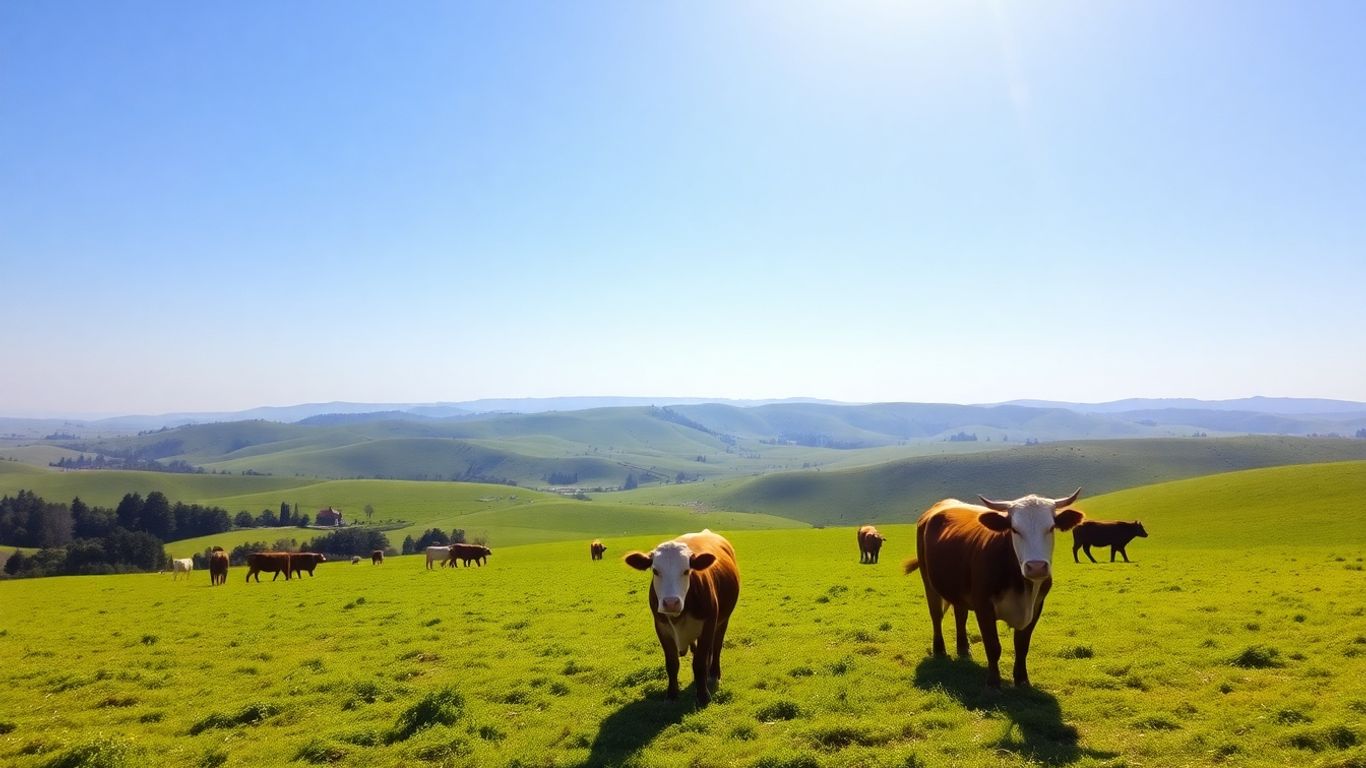
Taking care of the land is a big part of running a successful cattle operation. It’s not just about the animals you raise, but also about the ground they walk on and the plants they eat. Thinking about sustainability means looking at the long game, making sure your ranch can keep producing for years to come.
Implementing Rotational Grazing Systems
This is a method where you move your cattle between different pasture areas, or paddocks, on a schedule. Instead of letting them stay in one spot and eat it down, you give each area a chance to rest and regrow. This helps prevent overgrazing, which can damage the soil and reduce the amount of grass available. When done right, rotational grazing can really boost how much grass your pastures produce and keep a wider variety of plants growing. It also helps the soil hold water better and can even pull carbon from the air.
Here’s a basic idea of how to set it up:
- Divide your land: Break up your total grazing area into smaller sections. The number of sections depends on your herd size and how fast your grass grows.
- Move your herd: Shift your cattle to a new paddock when they’ve eaten the grass down to a certain level. Don’t wait until it’s all gone.
- Let it rest: Give the grazed paddock a good amount of time to recover. This rest period is key for the plants to regrow their roots and leaves.
- Keep track: Pay attention to how the grass is doing and how the soil looks. Adjust your rotation schedule based on what you see and the weather.
Enhancing Pasture Health and Resilience
Healthy pastures mean healthy cattle. You want grasses and plants that can handle different weather conditions, especially dry spells. Sometimes, this means looking at the types of grasses you have. Planting varieties that are more resistant to drought can make a big difference. Also, managing how much you graze is important. Overstocking can quickly wear down a pasture, making it less productive and more prone to erosion. Think about using cover crops during off-seasons to protect the soil and add nutrients. Even composting manure can create a natural fertilizer that feeds your soil.
Good pasture management is about working with nature, not against it. It’s about creating a system where the land can support your herd year after year.
Prioritizing Water and Soil Conservation
Water is a precious resource, and so is healthy soil. Simple things can make a big impact. For water, consider ways to collect rainwater or use more efficient watering systems for your livestock. Protecting your waterways is also vital. Fencing off streams and rivers, and planting native vegetation along their banks, helps keep the water clean and prevents soil from washing away. When it comes to soil, practices like no-till farming, where you don’t plow the land extensively, can help keep the soil structure intact. This improves water infiltration and reduces erosion. Healthy soil is the foundation of productive pastures, so taking care of it is a direct investment in your cattle operation.
Leveraging Technology in Cattle Farming
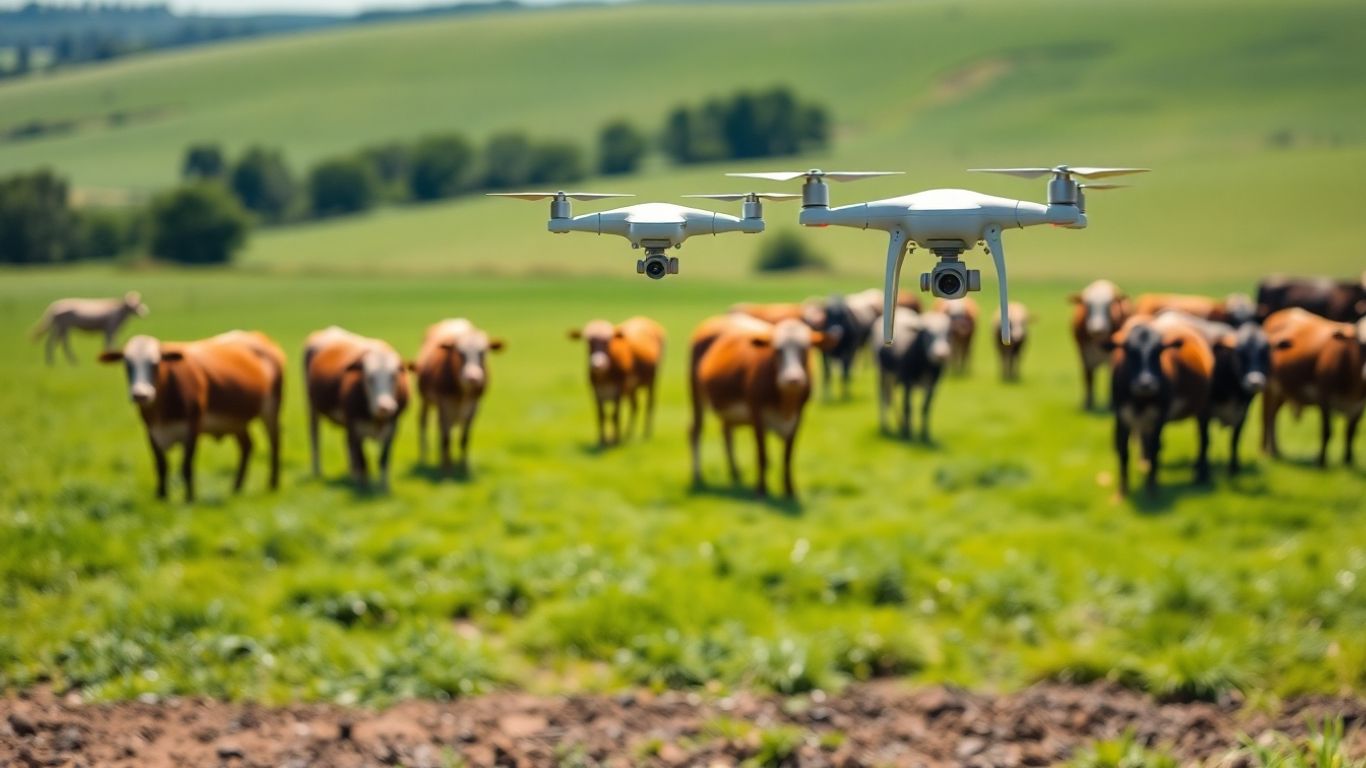
It feels like just yesterday we were relying on notebooks and gut feelings to run the ranch. Now, though? Things have really changed. Technology is becoming a big part of how we manage our herds, and honestly, it’s making a huge difference.
Utilizing Data for Informed Decisions
Making smart choices on the farm starts with good information. Gone are the days of guessing. We can now track so much more, from where each animal is to how it’s feeling. This kind of data helps us spot problems early, like an animal that’s not eating right or is acting a bit off. It means we can step in before things get serious.
- Performance Tracking: Regularly weighing animals, keeping tabs on who’s having calves, and logging every shot or sickness for each cow. This builds a history that tells a story.
- Pasture Records: Knowing how long cattle have been in a certain field, when it gets a break to regrow, and what the soil is like. This helps us manage our grass better.
- Economic Indicators: Keeping track of every dollar spent and earned, broken down by what we’re raising and when. It shows us where the money is really going.
- Compliance Tracking: Making sure all our paperwork for certifications, loans, or insurance is current and easy to show if needed.
The real win here is moving from reacting to problems to actually preventing them. When you know what’s going on with your herd and your land, you can make changes that keep everything running smoothly.
Adopting Innovative Ranching Tools
There’s a whole bunch of new gear out there that can make our lives easier. Think about GPS collars for tracking animals – they don’t just tell you where they are, but can also give clues about their health. Then there are sensors for water tanks or fences that can send you a text if something goes wrong. Even drones are useful for getting a quick look at large pastures without having to ride them all.
Here are a few things people are using:
- GPS Collars & RFID Tags: For real-time location and health monitoring.
- Sensor Networks: To get alerts about water levels, fence breaks, or gates left open.
- Drones: For quick aerial checks of pastures and livestock.
- Precision Fencing: Electric fences you can control from afar, making it easier to move cattle.
Integrating Technology for Efficiency
Putting these tools to work really cuts down on wasted time and effort. Instead of checking every water trough manually, a sensor can do it for you. Instead of spending hours looking for a lost calf, GPS tracking can pinpoint its location. This frees us up to focus on other important tasks, like planning our grazing or checking on the health of the herd.
| Technology Type | Primary Benefit | Potential Efficiency Gain |
|---|---|---|
| Automated Water Sensors | Alerts for low water levels or leaks | Reduces manual checks |
| GPS Livestock Trackers | Real-time location and activity monitoring | Faster animal recovery |
| Drone Pasture Surveys | Quick assessment of forage and land condition | Saves travel time |
| Digital Record Keeping | Centralized data for herd and land management | Streamlines reporting |
Building a Profitable Cattle Enterprise
Making a good living from raising cattle isn’t just about having healthy animals; it’s also about running your operation like a smart business. You’ve got to have a solid plan and keep a close eye on your money.
Developing a Comprehensive Business Plan
Think of your business plan as the blueprint for your ranch. It’s not just a document you write once and forget. It should lay out your goals, how you plan to reach them, and what makes your operation unique. This includes figuring out your target market and what sets your beef apart. Maybe you focus on grass-fed, organic, or a specific breed. Whatever it is, make sure it’s clear in your plan.
- Define your mission and vision: What do you want your ranch to be known for?
- Analyze your market: Who are you selling to, and what do they want?
- Outline your operations: How will you manage your herd, land, and finances?
- Set financial goals: What are your income and profit targets?
A well-thought-out business plan helps you stay focused and makes it easier to get loans or attract investors if you need them. It’s your roadmap to success.
Exploring Financial Planning and Forecasting
Keeping track of your money is super important. You need to know where every dollar is coming from and where it’s going. This means detailed record-keeping for income and expenses. Regularly looking at your financial statements helps you see if you’re making money, spot any problems early, and make better choices for the future.
- Track all income and expenses: Feed, vet bills, equipment, labor – everything.
- Analyze costs: Figure out what it costs to raise each animal.
- Forecast future income: Based on your herd size and market prices.
- Manage cash flow: Make sure you have enough money to cover expenses when they’re due.
Good financial management is key to keeping your ranch afloat and growing. It also helps you identify areas where you can cut costs without hurting your herd’s health or productivity. Don’t forget to look into government grants or loans that might be available for ranchers; sometimes, there’s help out there.
Implementing Strategic Marketing Approaches
Once you’ve got a good product, you need to tell people about it. How you market your cattle or beef can make a big difference in your profits. Think about selling directly to consumers, local restaurants, or through farmers’ markets. Building relationships with your customers is a great way to create loyal buyers. You might also consider niche markets or value-added products.
- Direct-to-consumer sales: Cuts out the middleman and can increase your profit margin.
- Branding: Create a recognizable brand that tells your story.
- Online presence: Use social media and a website to connect with customers.
- Partnerships: Collaborate with other local businesses.
Consider how your ranch’s practices, like sustainable land use, can be a selling point. Many consumers are interested in where their food comes from and how it’s produced. Highlighting your commitment to the environment or animal welfare can attract a specific customer base willing to pay a premium.
Understanding Animal Behavior and Handling
Getting to know how cattle think and act is a big part of running a successful farm. It’s not just about feeding them and keeping them clean; it’s about understanding their natural instincts and how they react to things. When you pay attention to this, you can make their lives better and make your job easier.
Implementing Stress Reduction Techniques
Cattle, like all animals, can get stressed out. Things like loud noises, sudden movements, or even unfamiliar people can make them anxious. When they’re stressed, they don’t perform as well, and it can even affect their health. So, finding ways to keep them calm is really important. Think about how you move them around the farm. Instead of rushing them, try to move them at their pace. Using calm voices and avoiding yelling can make a big difference. Also, making sure their living spaces are comfortable and safe helps a lot. A quiet, predictable environment is best.
Practicing Gentle and Consistent Handling
How you handle your cattle day in and day out really matters. Being gentle and consistent is key. This means using the same methods and cues every time. If you’re always changing things up, the cattle get confused and might become wary. When you approach them, do it calmly. Avoid chasing or cornering them. Instead, try to guide them using their body language. For example, if you want them to move forward, you might apply gentle pressure from behind. If you want them to stop, you might move towards them slightly. This builds trust and makes them more cooperative.
Building Trust Through Routine and Calmness
Trust is built over time, and for cattle, it’s all about routine and a calm presence. They learn to expect certain things at certain times. Having a regular feeding schedule, for instance, helps them feel secure. When you’re working with them, try to be predictable. If you always approach them from the same side or use the same calls, they’ll get used to it. This predictability reduces their need to be on guard. A calm handler makes for a calm animal. If you’re feeling stressed or agitated, they’ll pick up on that. So, take a deep breath, stay relaxed, and let your calm attitude rub off on them. It makes all the difference in how they respond to you and how smoothly your farm operations go.
Wrapping Up Your Ranching Journey
So, we’ve covered a lot of ground, from making sure your cattle are eating right and staying healthy to using new tech and taking care of the land. It’s a big job, for sure, but by putting these ideas into practice, you’re setting yourself up for a better, more successful ranch. Remember, it’s all about learning as you go and adapting to what works best for your place and your animals. Keep at it, and you’ll be well on your way.
Frequently Asked Questions
What’s the most important thing for keeping cattle healthy?
Giving them the right food is super important. Make sure they get a good mix of proteins, carbs, vitamins, and minerals. Also, keeping them away from sickness with shots and checking for bugs regularly is key. Clean living spaces and fresh water help a lot too!
How can I make my pastures better for grazing?
Using a system called rotational grazing is a great idea. This means moving your cattle between different pasture areas so the grass can regrow. It helps prevent overeating the grass in one spot, keeps the soil healthy, and makes sure the grass stays nutritious.
Why is technology useful on a cattle farm?
Technology can help you make smarter choices. You can use it to keep track of your animals’ health, how much they’re eating, and how well they’re growing. This information helps you figure out the best way to feed them, treat them, and manage your farm more efficiently.
What’s a good way to make money with cattle?
You need a solid plan for your business. Think about how much money you’ll spend and how much you expect to earn. Also, figure out the best way to sell your cattle, maybe by focusing on a specific type of beef that people want to buy.
How should I handle my cattle to keep them calm?
Be gentle and predictable when you work with them. Avoid loud noises or sudden movements that can scare them. Sticking to a routine and building trust with your cattle makes them feel safer and easier to manage.
What should I do if there’s a drought?
During dry times, the grass might not have enough nutrients. You might need to give your cattle special food supplements to make sure they still get all the vitamins and minerals they need to stay healthy and strong.