

Farming is changing, and fast. As we look ahead to 2025, it’s clear that how we grow our food needs to keep up with new ideas and the need to care for our planet. We’re seeing a lot of cool new ways farmers are working, from using super smart technology to bringing back older, more natural methods. It’s all about growing more food, but doing it in a way that’s better for the environment and makes farming work for everyone involved. Let’s check out what’s happening in the world of farming.
Key Takeaways
- Smart farming and precision agriculture are using digital tools, satellites, and AI to make farming more efficient and use resources better.
- Regenerative agriculture focuses on improving soil health, capturing carbon, and reducing the need for chemicals.
- Farmers are adapting to climate change by using different crops, integrating animals, and using water more wisely.
- Small farms are becoming more diverse by adding things like fish farming and forestry to be more resilient.
- Community support, good policies, and easier access to money and markets are important for farmers adopting new practices.
The Rise of Smart Farming and Precision Agriculture
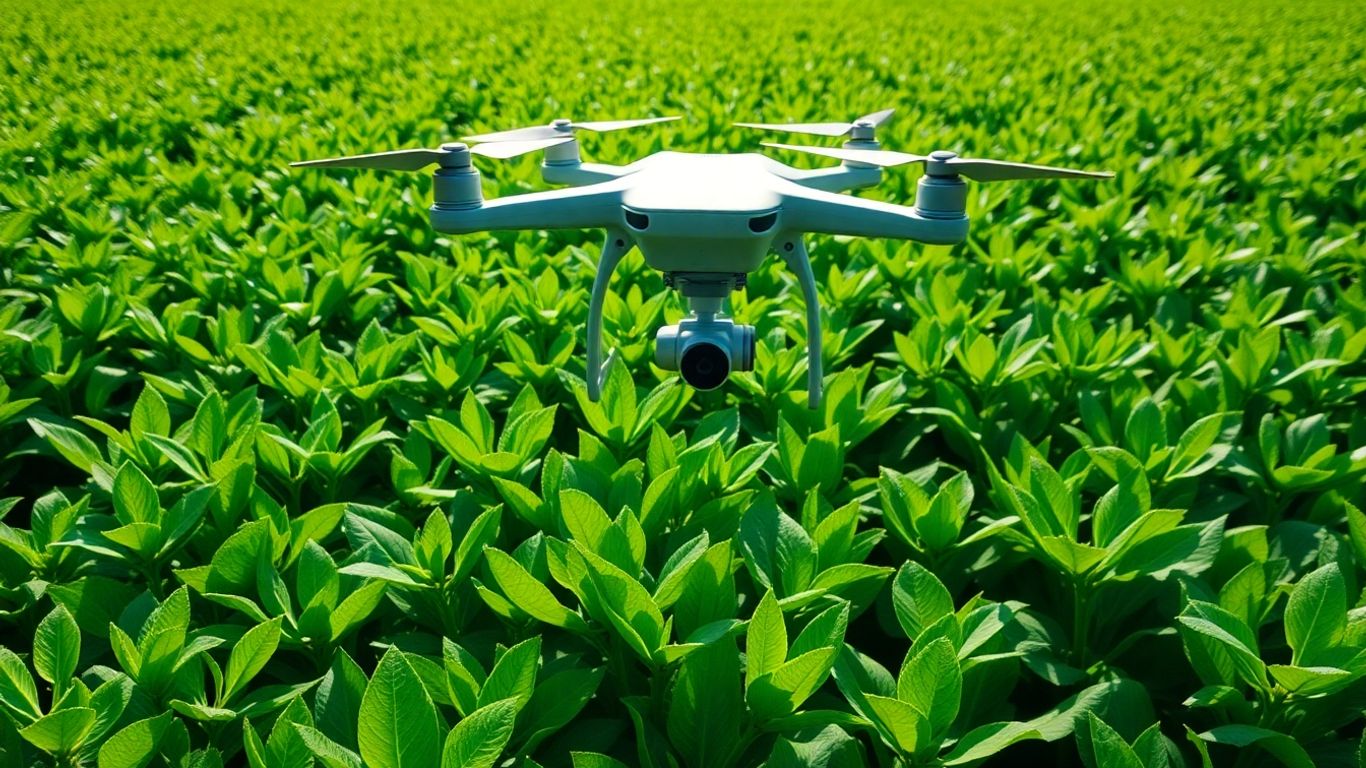
Farming in 2025 is looking a lot more like a tech conference than a scene from an old movie. We’re talking about smart farming and precision agriculture, which are really changing the game. It’s all about using digital tools, satellite data, and artificial intelligence to make farming more efficient and, frankly, smarter. This isn’t just about fancy gadgets; it’s about making every drop of water and every bit of fertilizer count.
Leveraging Digital, Satellite, and AI Technologies
Think about it: we’ve got satellites up there constantly watching our fields, feeding data into AI systems that can tell us exactly what’s happening on the ground. This means we can spot problems like nutrient deficiencies or pest infestations way before they become big issues. Farmers are using multispectral satellite imagery to keep tabs on soil health and how the plants are doing, even checking for water stress. It’s like having a super-powered pair of eyes over your entire farm. Companies are even offering ways to access this data through APIs, making it easier for smaller farms to get in on the action.
Optimizing Resource Use and Yields
This tech-driven approach is all about using resources wisely. Precision agriculture, for example, uses things like soil sensors and smart irrigation to give plants exactly what they need, when they need it. This means less waste and better growth. We’re seeing autonomous tractors that can plant seeds with incredible accuracy, reducing the need for replanting and saving fuel. Even simple things like apps that help identify crop diseases can make a big difference in preventing losses. It’s about getting more from less land and fewer inputs.
Integrating IoT and Mobile Solutions for Farm Management
The “Internet of Things” (IoT) is also making its way into the fields. Smart irrigation systems, for instance, use wireless tech and data to manage water use automatically. This helps lower water bills and keeps crops healthier. Mobile apps are becoming indispensable tools, offering everything from weather forecasts to disease identification and farm management software. This connectivity allows farmers to make decisions on the fly, moving from reacting to problems to proactively managing their operations. It’s about having all the information you need right in your pocket.
The shift towards data-driven farming means that understanding your land at a granular level is no longer a luxury, but a necessity for sustainable and profitable agriculture in the coming years. This allows for targeted interventions, reducing environmental impact and improving overall farm health.
Regenerative Agriculture and Soil Health Management
Restoring Degraded Soils Through Sustainable Practices
Farming practices over the years have sometimes taken a toll on our soil, leaving it less fertile and more prone to erosion. Regenerative agriculture is all about flipping that script. It’s a way of farming that aims to actively improve the land, not just maintain it. Think of it like giving the soil a much-needed health boost. We’re talking about methods that bring life back into the ground, making it richer and more robust for the long haul. This isn’t just about being nice to the planet; it’s about building a stronger foundation for food production.
Key practices include:
- Cover Cropping: Planting non-cash crops like clover or rye between main growing seasons to protect the soil, add nutrients, and improve its structure.
- Reduced Tillage: Minimizing how much the soil is plowed or turned over. This helps keep the soil’s natural structure intact, preventing erosion and preserving beneficial microbes.
- Composting and Manure Application: Adding organic matter back into the soil to boost fertility and water retention.
- Crop Rotation: Changing the types of crops grown in a field each season to prevent nutrient depletion and break pest cycles.
The goal is to create a closed-loop system where farm waste is recycled back into the soil, reducing the need for outside inputs and building a truly sustainable cycle.
Enhancing Carbon Sequestration and Climate Resilience
Healthy soil is a massive carbon sink. Regenerative methods are really good at pulling carbon dioxide out of the atmosphere and storing it underground. This is a big deal for fighting climate change. When soil is healthy, it can hold more water, which makes farms more resilient to droughts and heavy rains. It’s like giving the land a built-in defense system against unpredictable weather.
Here’s how it helps:
- Increased Organic Matter: More organic matter in the soil means more carbon is stored there.
- Improved Water Infiltration: Healthy soil acts like a sponge, absorbing water better and reducing runoff.
- Greater Biodiversity: A wider range of plants and soil organisms creates a more stable and adaptable ecosystem.
Minimizing Chemical Inputs for Healthier Ecosystems
One of the big wins with regenerative agriculture is cutting down on synthetic fertilizers and pesticides. These chemicals can harm beneficial insects, soil microbes, and even end up in our waterways. By relying more on natural processes, like using compost or encouraging natural predators for pests, we create a healthier environment for everyone. This means cleaner water, safer food, and a more balanced ecosystem on and around the farm. It’s about working with nature, not against it, to grow food.
Climate Resilience and Adaptation Strategies
Farming in 2025 means facing a world where weather doesn’t always play by the old rules. We’re seeing more unpredictable patterns, and that’s a big deal for everyone who grows food. So, how are farmers getting ready for this? It’s all about being smart and flexible.
Utilizing Drought-Resistant Crops and Rotational Planting
One of the most straightforward ways to deal with changing weather is to pick the right plants. Farmers are looking more at crop varieties that can handle dry spells or sudden downpours. Think about it: if you know a region is getting drier, planting crops that need less water just makes sense. Alongside this, rotational planting is making a comeback. Instead of planting the same thing in the same spot year after year, farmers are switching crops around. This isn’t just good for the soil; it also means if one crop fails due to a specific weather event, others might still do well. It spreads the risk.
Integrating Livestock for Natural Nutrient Cycling
This might sound old-fashioned, but bringing animals back onto the farm in a smart way is a big win for resilience. Livestock can help manage fields by grazing, which can control weeds and reduce the need for herbicides. Plus, their manure is a fantastic natural fertilizer. When managed properly, this nutrient cycling means less reliance on synthetic fertilizers, which can be costly and have their own environmental impacts. It’s about creating a more closed-loop system where different parts of the farm support each other.
Improving Water Use Efficiency with Targeted Irrigation
Water is becoming more precious, so using it wisely is key. Gone are the days of just flooding a field and hoping for the best. Farmers are increasingly using targeted irrigation methods. This could be drip irrigation, which delivers water right to the plant roots, or sensor-based systems that tell the farmer exactly when and how much water is needed. This precision means less water is wasted through evaporation or runoff, making sure every drop counts. It’s a big step towards making farms more sustainable, especially in areas where water is already scarce.
Adapting to climate shifts isn’t just about reacting to problems; it’s about building farms that can naturally handle variations in weather and resources. This proactive approach helps secure food production for the future.
Here’s a quick look at how these strategies stack up:
| Strategy | Primary Benefit |
|---|---|
| Drought-Resistant Crops | Reduced water needs, better yield in dry spells |
| Rotational Planting | Improved soil health, diversified risk |
| Livestock Integration | Natural fertilization, weed control |
| Targeted Irrigation | Optimized water use, reduced waste |
Diversification in Small-Scale Farming Models
For small farms, spreading out your crops and activities isn’t just a good idea; it’s becoming a necessity by 2025. Relying on just one or two things can be risky, especially with unpredictable weather and changing markets. That’s where diversification comes in, making farms tougher and more productive.
Exploring Small-Scale Fish Farming and Forestry
Think beyond just vegetables and grains. Small-scale fish farming, or aquaculture, is a great way to add another income stream. Systems like aquaponics, where fish waste fertilizes plants and the plants clean the water for the fish, are really efficient. They use less water and fewer chemicals. Then there’s small-scale forestry. Planting trees on your land, maybe for timber, fruit, or even just as windbreaks, can provide long-term benefits. It helps with soil health, provides habitat for beneficial insects, and offers a different product to sell. By 2025, farms adopting advanced technology and diversification strategies are projected to achieve up to 30% higher profits compared to traditional farming methods. This suggests a significant shift towards innovation for enhanced farm success. These integrated approaches help small farmers adapt to environmental changes and offer more food options to their communities.
Enhancing Resilience and Productivity Through Diverse Models
When you mix things up, your farm becomes more resilient. If one crop fails due to disease or bad weather, you still have others. This also means you can use your land and resources more effectively throughout the year. For example, planting cover crops between main growing seasons helps protect the soil and can even add nutrients back. Integrating livestock, even on a small scale, can help manage weeds and provide manure for fertilizer. It’s all about creating a more balanced system that works with nature, not against it.
Strengthening Ecosystem Services for Future Generations
Diversified farms do more than just produce food. They actively support the environment. Think about planting native flowers to attract pollinators, or creating buffer zones along waterways to prevent erosion. These practices improve soil health, conserve water, and boost biodiversity. This means healthier land for the future and a more stable environment for everyone. It’s a way of farming that gives back to the earth, ensuring that the land remains productive and healthy for years to come.
Diversification isn’t just about adding more products; it’s about building a farm that can withstand challenges, use resources wisely, and contribute positively to the local environment. It’s a smart move for long-term success.
Community, Policy, and Economic Support for Farmers
It’s not just about the tech or the soil, you know? For small-scale farmers, having a solid support system makes all the difference. We’re talking about policies that actually help, communities that back their local growers, and ways to make sure farmers get a fair shake economically. Without these pieces, even the best farming ideas can fall apart.
Strengthening Local Food Sovereignty and Social Resilience
When communities rally around their local food producers, it builds a stronger, more connected society. Think about farmers’ markets and Community Supported Agriculture (CSA) programs. These aren’t just places to buy food; they’re hubs where people connect with where their food comes from and the folks who grow it. This direct link builds trust and makes communities less reliant on long, fragile supply chains. It means more control over food access and better resilience when things get tough, like during bad weather or economic downturns.
Improving Farmer Empowerment and Market Access
Farmers need more than just good growing conditions; they need fair access to markets and the power to negotiate good prices. This involves cutting out unnecessary middlemen and creating direct sales channels. It also means providing training on business management and marketing, so farmers can better understand their costs and set prices that reflect the real value of their work. When farmers are empowered, they can invest more in sustainable practices and their own futures.
Targeted Subsidies and Digital Financial Accessibility
Government support can be a game-changer, but it needs to be smart. Instead of broad programs, targeted subsidies that specifically encourage sustainable methods, like cover cropping or water conservation, can have a bigger impact. On the financial side, making digital tools for credit, insurance, and payments accessible to smallholders is key. This helps farmers manage risks and invest in their operations without getting bogged down in complex, traditional banking systems. It’s about leveling the playing field so everyone has a chance to succeed.
| Support Area | Key Initiatives |
|---|---|
| Policy | Subsidies for sustainable practices, research funding |
| Market Access | Direct sales channels, fair-trade agreements |
| Financial Tools | Digital credit, accessible insurance, mobile payment solutions |
| Community | Farmers’ markets, CSA programs, local food initiatives |
Addressing Challenges in Sustainable Farming
Even with all the exciting new ideas for farming in 2025, we can’t ignore the hurdles. It’s not always smooth sailing, and farmers are dealing with some pretty big issues.
Mitigating Climate Change and Unpredictable Weather
This is a huge one. We’re seeing more extreme weather events – think unexpected droughts, sudden floods, and weird temperature swings. These shifts make it really hard for farmers to plan and predict their yields. It’s like trying to hit a moving target. Farmers are looking at ways to adapt, like planting crops that can handle drier conditions or changing up their planting schedules. It’s a constant learning process to stay ahead of what Mother Nature throws at us.
Overcoming High Costs of Sustainable Technologies
Getting into some of these advanced farming methods, like precision agriculture or getting certified organic, can cost a lot upfront. For many farmers, especially those running smaller operations, the initial investment in new equipment or practices is just too much. It’s a bit of a catch-22: these technologies can save money and resources in the long run, but you need money to get them in the first place. We need better ways to make these tools and certifications more affordable, maybe through grants or easier loan programs.
Combating Soil Degradation and Water Scarcity
Our soil is the foundation of everything, but years of intensive farming have taken a toll. Soil erosion and nutrient depletion are real problems, meaning less productive land. On top of that, water is becoming scarcer in many areas. Agriculture uses a lot of water, and if we’re not careful with how we use it, we’ll run into serious trouble. Things like drip irrigation and collecting rainwater are good steps, but we need to make sure these practices are widely adopted and accessible. It’s about treating our land and water like the precious resources they are.
The pressure to produce more food for a growing population is immense. However, simply intensifying current methods without considering the environmental impact isn’t a long-term solution. We need to find a balance that boosts productivity while actively protecting and improving our natural resources for the future.
Looking Ahead: A Sustainable Harvest
So, as we wrap up our look at farming in 2025, it’s pretty clear things are changing fast. We’ve seen how new tech, from smart sensors to AI, is helping farmers work smarter, not just harder. Plus, those eco-friendly methods, like cover cropping and less tilling, are really making a difference for the planet. It’s not always easy, with challenges like getting the right tech or dealing with unpredictable weather, but the drive towards more sustainable and resilient farming is strong. By working together – farmers, researchers, and even us consumers – we can really build a food system that works for everyone, now and for years to come. It’s about growing food in a way that respects the earth and keeps our communities healthy.
Frequently Asked Questions
What is smart farming and why is it important for 2025?
Smart farming uses technology like computers, satellites, and artificial intelligence to help farmers grow more food using fewer resources. It’s important because it helps make farming more efficient and less wasteful, which is key for feeding everyone and protecting the planet.
What does regenerative agriculture mean for soil health?
Regenerative agriculture is all about healing the soil. Instead of just growing crops, it uses practices like composting and planting different crops to make the soil healthier, richer, and better at storing carbon. This helps fight climate change and makes farms more resilient.
How can farms adapt to climate change in 2025?
Farms can adapt by planting crops that can handle dry weather or heat, and by rotating crops to keep the soil healthy. They can also use water more wisely with special irrigation and let animals help naturally fertilize the land. This makes farms less likely to fail when the weather gets tough.
Why is diversifying small farms a good idea?
When small farms grow or raise different things, like fish or trees along with crops, they become stronger. If one thing doesn’t do well, others can still succeed. This variety also helps the environment by supporting more types of plants and animals.
How do policies and community support help farmers?
Good government rules, like giving farmers money or training, and strong local communities that buy local food, make a big difference. It helps farmers get fair prices, access technology, and feel more secure, which leads to better farming for everyone.
What are the main difficulties farmers face with sustainable methods?
Some farmers find it hard because new sustainable technologies can be expensive at first. Also, dealing with unpredictable weather, soil that’s lost its goodness, and not having enough water are big challenges. Sometimes, people are also slow to try new ways of farming.