

Thinking about raising cattle? It’s a big undertaking, but with the right approach, it can be really rewarding. Whether you’re looking at beef or dairy, understanding the basics of breeds, how to set up your farm, and keeping your animals healthy is super important. We’ll walk through some of the key areas you’ll need to consider to get started on the right foot. It’s not just about the animals; it’s about building a sustainable operation.
Key Takeaways
- Choosing the right cattle breed depends on your environment and what the market wants.
- Good infrastructure, like strong fences and proper shelters, is key for safety and managing your cattle.
- Meeting your cattle’s nutritional needs at every life stage is vital for their health and growth.
- Keeping your cattle healthy involves regular checks, vaccinations, and managing parasites and diseases.
- Using technology and good record-keeping can really help make your cattle operation more efficient and profitable.
Understanding Cattle Breeds
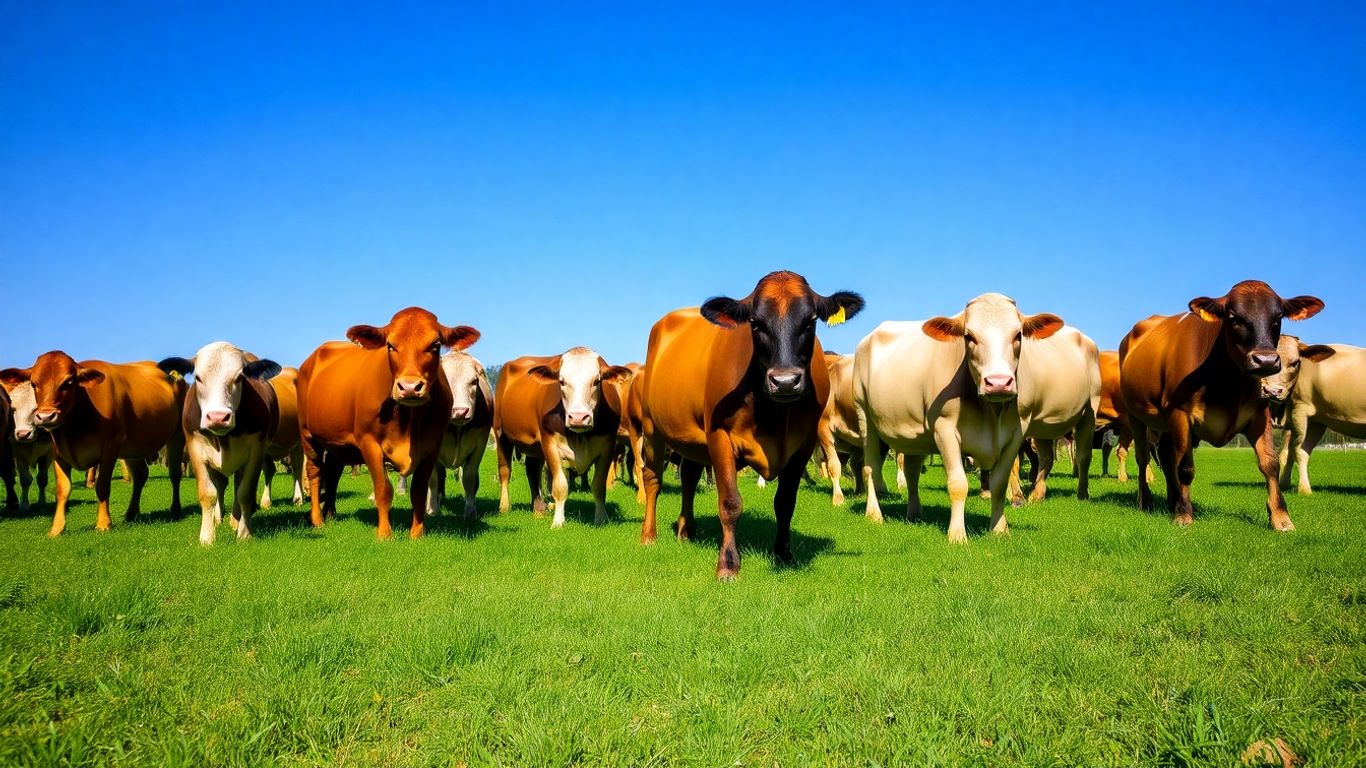
Choosing the right cattle breed is a big deal for any farm. It’s not just about looks; it’s about what works best for your land, your goals, and what the market wants. Different breeds have different strengths, and picking one that fits your situation can make a huge difference in how smoothly things run and how profitable you are.
Choosing the Right Cattle Breed
When you’re starting out or looking to switch up your herd, picking the right breed is step one. You’ve got to think about what you want to get out of your cattle. Are you focused on meat production, milk, or maybe a bit of both? Some breeds are known for putting on weight quickly, while others are better for dairy. For example, Angus cattle are a popular choice for farms, recognized for their moderate size, muscular build, and excellent meat production. They are frequently crossbred to enhance both beef and milk quality, contributing to superior meat characteristics. It’s also worth considering how easy the breed is to handle. Some breeds are naturally calmer, which makes daily chores a lot less stressful.
Breed Adaptability to Environments
Not all cattle are built for every climate. Some breeds do great in hot, dry areas, while others can handle cold winters without a problem. You need to look at your local weather and terrain. If you have tough, hilly pastures, a breed that’s a good grazer and can handle rough ground will do better than one that needs pampered conditions. A breed’s ability to adapt to your specific environment directly impacts their health and how much extra care they’ll need. It’s about finding a match that lets the animals thrive naturally.
Market Demand and Breed Selection
What you can sell your cattle for is a major factor. Different breeds are more popular with consumers and processors. If there’s a big demand for a certain type of beef, like grass-fed or a specific marbling score, you’ll want to pick a breed that fits that market. Doing a little homework on what buyers in your area are looking for can save you a lot of headaches down the road. Sometimes, crossbreeding can help you get the best of both worlds, combining desirable traits from different breeds to meet market needs.
Picking a breed isn’t a one-time decision; it’s an ongoing process of matching your farm’s capabilities with what the market will pay for. Think long-term about how the breed will perform year after year in your specific conditions.
Essential Infrastructure for Cattle Farming
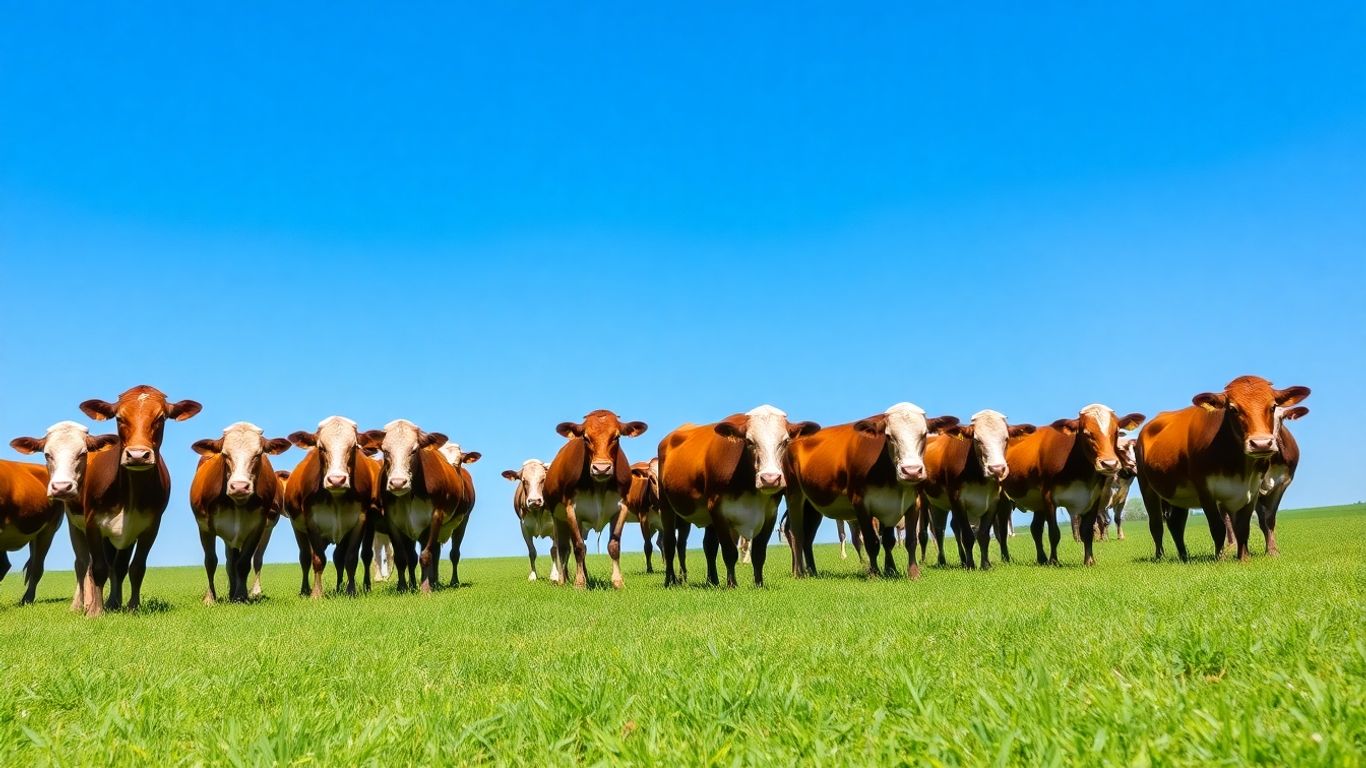
Setting up your farm with the right buildings and enclosures is a big deal. It’s not just about keeping the cows in; it’s about keeping them safe, healthy, and making your job easier. Think of it as the backbone of your operation. Without good infrastructure, even the best feed or breeding program can fall apart.
Secure Fencing Systems
Good fences are non-negotiable. They need to be strong enough to hold your cattle, whether you’ve got a few head or a whole herd. The type of fencing you choose depends on your land, the breed of cattle, and your budget. Barbed wire is common, but electric fencing or even sturdy wooden posts can be options too. The goal is to prevent escapes and keep predators out. You also want to make sure your fences are easy to inspect and repair. Nothing’s worse than a broken fence line that lets your prize bull wander off.
Appropriate Housing and Shelters
Cattle need protection from the elements. This means having shelters or barns that can shield them from harsh sun, biting wind, heavy rain, or snow. The space should be adequate so they aren’t crammed together, which can lead to stress and disease spread. Good ventilation is also key to keeping the air fresh and dry. For younger calves, a warmer, more protected space might be necessary, especially during colder months.
Efficient Feeding Equipment
How you feed your cattle matters a lot. You’ll need feeders that are durable, easy to clean, and designed to minimize feed waste. Whether you use troughs, bunks, or more automated systems, they should allow all animals access to feed without too much competition. Clean water access is just as important, so ensure water troughs are always clean and full.
Proper infrastructure isn’t just about the animals’ comfort; it directly impacts your farm’s efficiency and your bottom line. Well-placed feeders reduce labor, sturdy shelters minimize weather-related stress on animals, and secure fencing prevents costly losses.
Here’s a quick look at some common infrastructure needs:
- Fencing: Barbed wire, electric, woven wire, or wood posts.
- Shelter: Barns, loafing sheds, or open-sided shelters.
- Waterers: Troughs, tanks, or natural water sources.
- Feeders: Bunks, troughs, creep feeders for calves.
- Handling Facilities: Corrals, chutes, and loading ramps for safe animal movement.
Optimizing Cattle Nutrition and Feeding
Getting the food right for your cattle is a big deal. It’s not just about filling their bellies; it’s about making sure they get exactly what they need to grow, stay healthy, and be productive. Think of it like feeding yourself – you wouldn’t just eat junk food all the time, right? Cattle are the same way, and their dietary needs change as they get older.
Nutritional Needs Across Life Stages
Cattle have different requirements depending on whether they’re calves, growing animals, or mature breeding stock. Calves, for instance, need a lot of energy and protein to support their rapid growth. High-quality milk or milk replacers are key, along with access to clean water and starter feeds to get their digestive systems going. As they grow, their needs shift, and a mix of pasture, good forage, and some concentrates usually does the trick. For breeding cattle, nutrition is super important for successful reproduction. Getting this balance right means healthier calves and better overall herd performance.
Effective Pasture Grazing Strategies
Pasture is often the most cost-effective way to feed cattle, but you have to manage it well. Rotational grazing is a good system to use. It means moving your cattle from one pasture section to another. This stops them from overeating one area and lets the grass recover. Keeping pastures healthy with things like fertilization and weed control also makes a big difference. Don’t forget about water; clean, plentiful water needs to be available everywhere they graze. Making sure pastures are well-managed helps optimize how they use the land and prevents overgrazing. You can find more tips on managing pastures, especially during tough times like drought, by looking into resources on corn forage management.
Supplementary Feeding Practices
Sometimes, pastures alone don’t provide enough nutrients, especially during certain times of the year or for specific animals. That’s where supplementary feeding comes in. This can mean feeding high-quality hay, silage, or grain-based feeds. It’s all about filling the gaps in their diet to meet their specific needs. Choosing the right supplements can really help boost their immune systems and overall health.
Record-Keeping for Cattle Nutrition
Keeping good records is really important for managing cattle nutrition effectively. Knowing what your cattle are eating, how they’re performing, and any changes in their health helps you make better decisions. Modern farms use software to track feed amounts, monitor individual animal progress, and get a clearer picture of the herd’s nutritional status. This data can show you what’s working and where you might need to adjust your feeding plan.
Proper nutrition is the bedrock of a healthy and productive herd. It impacts everything from growth rates and reproductive success to disease resistance. Paying close attention to what and how you feed your cattle is one of the most impactful things you can do for your operation.
Here’s a quick look at typical daily dry matter intake needs for different types of cattle:
| Cattle Type | Dry Matter Intake (lbs/day) |
|---|---|
| Calves (400 lbs) | 8-12 |
| Growing Cattle (700 lbs) | 15-20 |
| Mature Cows (1200 lbs) | 20-25 |
| Bulls (1800 lbs) | 25-30 |
These are just general figures, of course. Actual intake can vary based on forage quality, weather, and the animal’s specific condition. Always consult with a nutritionist or veterinarian to fine-tune your feeding program.
Maintaining Cattle Health and Preventing Disease
Keeping your herd healthy is a big part of making sure your operation runs smoothly. It’s not just about treating sick animals; it’s really about stopping problems before they even start. Think of it like this: a healthy cow is a productive cow, and nobody wants to deal with a sick animal if they can help it.
Preventive Healthcare Measures
This is where you focus on keeping things good. It means paying attention to the little things that add up. Good record-keeping is a must. You need to know which animals have had what, when, and how they responded. This helps you spot trends or issues early on. Also, making sure your cattle have access to clean water and good feed all the time really helps their immune systems stay strong. It’s the foundation for everything else.
- Regularly check your herd for any signs of illness or injury.
- Keep detailed records of treatments, vaccinations, and any health issues.
- Ensure constant access to fresh, clean water and high-quality feed.
A proactive approach to health saves a lot of headaches and money down the road. It’s better to invest a little time and resources upfront than to face a major outbreak later.
Vaccination Schedules for Cattle
Vaccines are like a shield for your cattle against common diseases. You’ll want to work with your vet to figure out the best schedule for your specific area and the types of cattle you have. Different ages and stages of life might need different shots. For example, calves have different needs than cows that are about to calve.
Here’s a general idea of what might be included:
- Respiratory Diseases: Vaccines for things like BRSV (Bovine Respiratory Syncytial Virus) and IBR (Infectious Bovine Rhinotracheitis) are common.
- Reproductive Health: Vaccines for diseases that can affect fertility or cause abortions are important, especially for breeding stock.
- Clostridial Diseases: These are often grouped together and protect against serious, sometimes fatal, conditions.
Managing Parasites in Cattle
Parasites, both internal (like worms) and external (like lice or mites), can really set your cattle back. They steal nutrients, weaken the immune system, and can even spread other diseases. Parasite control is an ongoing job.
- Rotational Grazing: Moving cattle between pastures helps break the parasite life cycle. It gives pastures a rest and reduces the concentration of parasite eggs.
- Fecal Testing: Work with your vet to test manure samples. This tells you what kind of parasites you’re dealing with and if your deworming treatments are working.
- Strategic Deworming: Based on test results and animal age, you can create a deworming plan. Sometimes, only certain groups of animals need treatment.
Disease Management Protocols
Even with the best prevention, diseases can still pop up. Having a plan in place makes a big difference. This means knowing what to do when you see a sick animal.
- Isolation: If you suspect an animal is sick, move it away from the rest of the herd to prevent spreading anything. This is called isolation or quarantine.
- Veterinary Consultation: Don’t guess. Call your veterinarian as soon as you notice something concerning. They can diagnose the problem and recommend the right treatment.
- Record Keeping: Note down the symptoms, diagnosis, and treatment for each sick animal. This information is gold for future prevention and management.
Effective Cattle Breeding Strategies
When you’re raising cattle, getting the breeding part right is pretty important. It’s not just about letting nature take its course; there’s a lot of thought that goes into making sure your herd gets better over time. This means looking at genetics, how the animals are built, and sometimes getting a little help from the pros.
Evaluating Genetics for Cattle
Picking the right parents for your next generation of calves is a big deal. You want animals that are known for doing well – maybe they grow fast, use feed efficiently, or have a good temperament. Looking at performance records and pedigrees helps you make smart choices. It’s about selecting for traits that will benefit your operation, like disease resistance or better meat quality. Making informed genetic selections can significantly improve your herd’s overall productivity and profitability.
Understanding Cattle Conformation
Conformation refers to the physical structure and build of an animal. For beef cattle, good conformation means they are well-muscled, have strong legs and feet, and a body shape that indicates efficient feed conversion and good carcass yield. For dairy cattle, it’s more about udder support and capacity. Paying attention to conformation helps you avoid potential health issues down the line, like lameness, and ensures your animals meet market expectations. It’s a visual assessment that complements genetic data.
Seeking Professional Breeding Assistance
Sometimes, you need a little expert help. This could mean working with a veterinarian or a geneticist to develop a breeding plan. They can help you understand advanced techniques like artificial insemination (AI), which allows you to use semen from top-quality bulls without owning them. AI can really speed up genetic improvement in your herd. Professionals can also advise on natural mating strategies, ensuring you have the right bull-to-cow ratios and that your bulls are in good breeding condition. They can also help you interpret complex genetic data and make the best decisions for your specific goals. Working with specialists can help you improve your herd’s progress.
Here are some common breeding methods:
- Artificial Insemination (AI): Using semen from a selected bull to breed cows. This is great for introducing superior genetics quickly.
- Natural Service: Allowing bulls to breed cows naturally. This is simpler but relies on the genetics of the bulls you own.
- Embryo Transfer: Transferring embryos from a genetically superior female to a surrogate mother. This is a more advanced technique for rapid genetic gain.
Choosing the right breeding strategy involves balancing genetic potential with practical management. It’s a long-term investment in the health and productivity of your cattle operation.
Leveraging Data and Technology in Cattle Management
Keeping track of everything that goes on with your herd can feel like a lot, right? From knowing when a cow is due to calve to what she’s eating, it’s a constant juggle. But here’s the thing: technology can really make life easier. Using the right tools means you’re not just guessing; you’re making smart choices based on actual information. It helps you see the bigger picture and spot problems before they become major headaches.
Utilizing Cattle Management Software
Think of cattle management software as your digital farmhand. It’s designed to take all those bits of information – breeding dates, health records, feed intake, weight gains – and put them in one organized place. Instead of flipping through notebooks or trying to make sense of messy spreadsheets, you can access everything with a few clicks. This makes daily tasks much simpler and cuts down on mistakes. You can easily track:
- Breeding and Pregnancy: Record mating dates, bull used, and get estimated calving dates. Some systems even link up with apps you can use right at the chute.
- Health Monitoring: Log vaccinations, treatments, and observe weight changes or body condition scores. This helps you catch sick animals early.
- Feeding Records: Keep tabs on what each animal or group is eating, which is super helpful for figuring out feed efficiency.
Data-Driven Decisions for Profitability
Once you start collecting data, you can actually use it to make your operation more profitable. It’s not just about having records; it’s about what those records tell you. For example, you can see which bulls are producing calves that grow faster or which cows consistently have trouble getting pregnant. This kind of insight lets you:
- Improve Breeding: Select the best animals for your breeding program based on performance data.
- Optimize Feeding: Adjust feed rations based on growth rates and feed conversion to save money and improve gains.
- Manage Health: Identify trends in diseases or health issues to implement better prevention strategies.
Making decisions based on data rather than just gut feeling can really change how well your farm does. It helps you spend your money where it counts and get the best results from your herd.
Monitoring Cattle Health with Technology
Beyond just software, there are other technologies helping keep an eye on your cattle. Things like ear tags with RFID chips can automatically record when an animal passes through a certain point, like a gate or a feeding station. This can help track movement and even feeding times without you having to be there. Some advanced systems are even looking at using sensors or cameras to monitor behavior or detect early signs of illness. While these might seem high-tech, they are becoming more accessible and can provide an extra layer of oversight for your herd’s well-being.
| Feature | Traditional Method | Cattle Management Software |
|---|---|---|
| Record Keeping | Paper/Spreadsheets | Digital Database |
| Data Accessibility | Limited | High |
| Health Tracking | Manual Observation | Detailed Logs & Alerts |
| Breeding Management | Manual Calculation | Automated Calculations |
| Reporting & Analysis | Time-Consuming | Automated Reports |
Financial Planning for Cattle Operations
Estimating Initial Cattle Investment Costs
Getting started in cattle farming means looking at the upfront costs. You’ll need to think about buying your initial herd, which can be a big chunk of the budget right away. Then there’s the land itself – do you own it, or will you be leasing? Don’t forget the buildings and fences; these need to be sturdy enough for cattle. Think about feeders, waterers, and any machinery you might need, like a tractor or a feed mixer. It’s wise to get quotes for all these big items before you commit.
Budgeting for Feed and Veterinary Care
Feed is probably going to be your biggest ongoing expense, so getting this right is key. You’ll need to figure out how much feed, hay, and supplements your cattle will need throughout the year, considering different ages and stages of growth. Veterinary care is another area where you don’t want to cut corners. Budget for routine check-ups, vaccinations, deworming, and have a little extra set aside for unexpected illnesses or injuries. It’s a good idea to talk to a vet early on to get a handle on typical health needs in your area.
Analyzing Overhead and Marketing Expenses
Beyond the direct costs of the animals and their food, there are other expenses to consider. These are your overheads: things like property taxes, insurance for your equipment and buildings, electricity, and water bills. Marketing is also important – how will you sell your cattle? Budget for things like transportation to market, any advertising you might do, or fees for participating in sales. Thinking about these costs now helps avoid surprises later.
Here’s a quick look at some typical startup costs:
| Item |
|---|
| Cattle Purchase |
| Land Acquisition/Lease |
| Fencing & Infrastructure |
| Feeders & Waterers |
| Initial Feed Supply |
| Veterinary Supplies |
| Equipment (Tractor, etc.) |
Planning your finances carefully from the start is like building a strong foundation for your farm. It helps you make smart decisions and keeps your operation running smoothly, even when things get a bit unpredictable.
Wrapping Up Our Cattle Journey
So, we’ve covered a lot of ground, from picking the right kind of cow to keeping them healthy and making sure they’re fed right. It’s a big job, for sure, but seeing a healthy herd thrive is pretty rewarding. Remember, paying attention to the details, like good food and clean water, really makes a difference. And don’t forget that keeping good records helps you see what’s working and what’s not. Whether you’re just starting out or have been doing this for years, there’s always something new to learn about taking care of these animals. It’s all about working with them and the land to get the best results.
Frequently Asked Questions
What are the most important things to think about when picking a type of cattle to raise?
When choosing a cattle breed, think about how well they handle your local weather and land. Also, see which breeds are popular with buyers in your area, as this can help you sell your cattle more easily.
What kind of buildings and fences do cattle need?
Cattle need strong fences to keep them safely in their area. They also need shelters, like barns or sheds, to protect them from hot sun, cold weather, and rain. Good feeders and water troughs are important too.
How do I make sure my cattle get the right food?
Cattle need different amounts and types of food as they grow. Young calves need rich food for growing, while older cattle might eat more grass or hay. Sometimes, you’ll need to give them extra food, like grains, to make sure they get all the nutrients they need.
What are the best ways to keep my cattle healthy and stop them from getting sick?
Keeping cattle healthy means giving them shots to prevent diseases, giving them medicine to get rid of worms and other pests, and checking on them regularly. It’s also smart to keep new animals separate for a while and keep everything clean.
How can I improve my cattle herd through breeding?
To improve your herd, look at the parents of the calves you want to buy. Good genetics mean calves might grow faster and be healthier. Sometimes, it’s helpful to ask experienced farmers or vets for advice on choosing the best animals for breeding.
How can technology help me manage my cattle better?
You can use special computer programs to keep track of your cattle’s health, how much they eat, and how much they grow. This helps you make smarter choices about feeding, breeding, and selling, which can lead to more profit.