

The way we raise poultry is changing, and fast. Gone are the days when it was just about feeding and watering. Now, we’re seeing a whole new level of smart tech and science come into play. Think sensors, AI, and even bugs as food! It’s all about making poultry farming more efficient, safer for the birds, and better for the planet. This shift is pretty big, and it’s going to shape how we get our chicken and eggs for years to come.
Key Takeaways
- Smart technologies like IoT sensors and AI are making poultry farming more precise, helping farmers manage flocks better in real-time.
- New feed options, including insect protein and algae, are being explored to make poultry diets more sustainable and cost-effective.
- Technology is improving how we catch diseases early and predict outbreaks, making poultry farming safer.
- Poultry operations are focusing more on sustainability, looking at waste management and reducing their environmental impact.
- The future of poultry processing involves AI and robotics for better quality control and blockchain for tracking products from farm to table.
Precision Poultry Farming with Smart Technologies
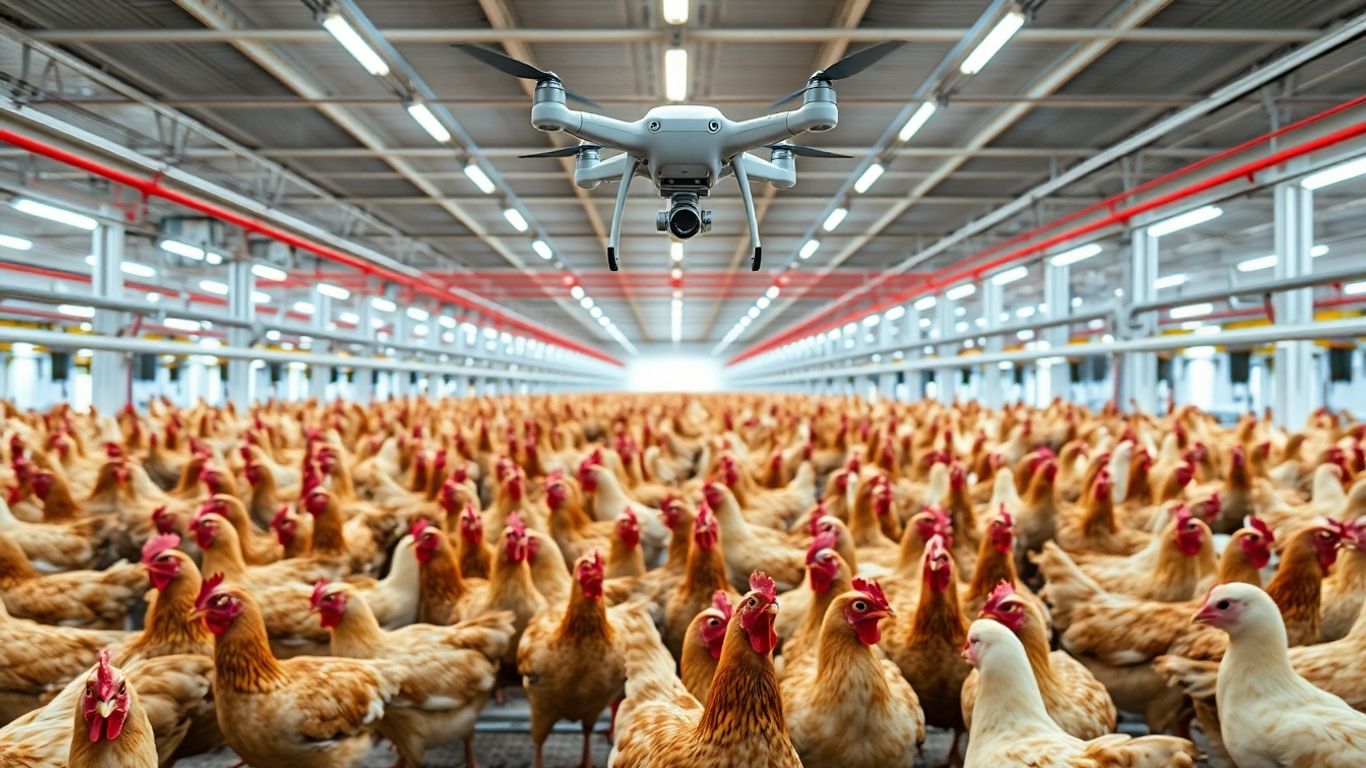
Farming poultry today is way different than it was even a decade ago. We’re talking about using smart tech to keep a really close eye on everything. It’s all about making sure the birds are healthy and growing well, without a lot of guesswork.
Leveraging IoT Sensors for Real-Time Monitoring
Think of Internet of Things (IoT) sensors as the eyes and ears on the farm. These little gadgets are placed all over the chicken houses, constantly checking things like temperature, humidity, air quality, and even how much the birds are moving. This information streams directly to a computer or a farmer’s phone. This constant stream of data lets farmers catch problems before they become big issues. For example, if the temperature suddenly spikes, a sensor can alert the farmer immediately, allowing them to adjust the ventilation system before the birds get too stressed.
Here’s a quick look at what these sensors track:
- Temperature: Keeping it in the sweet spot for different ages of birds.
- Humidity: Too much or too little can cause problems.
- Ammonia Levels: Bad air quality affects bird health and growth.
- Light Intensity: Important for bird behavior and egg production.
- Water and Feed Consumption: Tracking intake helps monitor health and growth.
AI-Driven Data Analysis for Flock Management
Just collecting data isn’t enough, right? That’s where Artificial Intelligence (AI) comes in. AI can look at all the information from those IoT sensors and find patterns that a person might miss. It can predict things like potential disease outbreaks based on subtle changes in bird activity or environmental conditions. AI can also help optimize feeding schedules, making sure each bird gets exactly what it needs, when it needs it. This cuts down on waste and makes sure the birds are getting the best nutrition possible for growth.
AI helps turn raw data into actionable insights. It’s like having a super-smart assistant that can analyze thousands of data points simultaneously, helping farmers make better, faster decisions about their flock’s well-being and productivity.
Automated Climate Control for Optimal Environments
Maintaining the perfect environment inside a poultry house is a big deal. Automated climate control systems use the data from sensors to make adjustments automatically. If the temperature starts to climb, the system can turn on fans or misters. If humidity gets too high, it can increase ventilation. This keeps the birds comfortable and reduces the chances of heat stress or respiratory issues. It’s a hands-off way to make sure the conditions are always just right, which is great for bird welfare and also for the farmer’s peace of mind. It means less manual checking and adjusting, freeing up time for other important tasks.
Advancements in Poultry Nutrition and Feed
Feeding our feathered friends is getting a serious upgrade. It’s not just about filling troughs anymore; it’s about smart, science-backed nutrition that makes birds healthier and the whole operation more sustainable.
Sustainable Alternatives to Conventional Feed
The usual suspects for poultry feed, like soy and corn, are facing pressure from environmental concerns and fluctuating prices. This is pushing the industry to look for new, greener options. We’re seeing a lot of interest in using byproducts from other food industries. Think about things like spent grains from breweries or even certain types of agricultural waste. Properly processed, these can be packed with nutrients. The goal is to create a circular economy where waste from one sector becomes valuable feed for another. This not only cuts down on waste but also reduces the reliance on traditional crops, which often require a lot of land and water. It’s a win-win for the planet and the farmer’s bottom line.
The Role of Insect Protein and Algae
When you think of alternative proteins, insects might not be the first thing that comes to mind for a chicken diet, but they’re actually a fantastic source of protein and essential amino acids. Black Soldier Fly larvae, for example, are being farmed specifically for this purpose. They can be raised on organic waste streams, turning something that would be discarded into high-quality animal feed. It’s pretty neat when you think about it. Algae is another exciting area. Certain types of algae are rich in proteins, omega-3 fatty acids, and other beneficial compounds that can boost bird health and even improve the nutritional quality of eggs. Research into poultry research has advanced our understanding of how these novel ingredients affect bird performance is ongoing.
Enhancing Digestibility with Enzyme Supplementation
Even with good quality feed, birds can only absorb so much. That’s where enzymes come in. Adding specific enzymes to the feed helps break down complex carbohydrates, proteins, and other nutrients that birds might otherwise struggle to digest. This means they get more goodness out of every bite. It leads to better growth rates, improved feed conversion (meaning less feed is needed for the same amount of growth), and can even reduce the amount of undigested material in their droppings, which has environmental benefits. It’s like giving their digestive system a helping hand, making sure all that carefully chosen nutrition actually gets used by the bird.
Innovations in Poultry Disease Management
Keeping poultry healthy is a big deal, and honestly, it’s getting more complicated. We’re seeing new bugs pop up, and the old ones aren’t exactly going away. That’s why new ways to spot and stop diseases are so important.
Rapid Diagnostic Tools for Early Detection
Forget waiting days for lab results. The game is changing with quick tests that can tell you what’s going on with your birds almost immediately. Think about tests that can pick up on tiny bits of virus or bacteria right when the infection starts, even before the birds look sick. This means you can act fast, isolate affected birds, and stop something from turning into a full-blown outbreak that could wipe out your flock. It’s all about catching problems super early.
AI-Based Surveillance for Outbreak Prediction
This is where things get really interesting. We’re starting to use artificial intelligence to watch over our flocks. AI can look at all sorts of data – like how much the birds are eating, how much they’re moving, even subtle changes in their droppings – and spot patterns that might mean a disease is brewing. It’s like having a super-smart assistant who notices things you might miss.
Here’s a look at what AI can monitor:
- Activity Levels: Changes in how much birds move or if they’re huddled together.
- Feed and Water Intake: A drop in consumption can signal illness.
- Environmental Data: Temperature and humidity shifts that might stress birds.
- Vocalization Patterns: Unusual sounds can indicate distress.
The goal here is to get ahead of the curve. Instead of reacting to a disease, we want to predict it and prevent it from ever taking hold. It’s a shift from just treating sick birds to actively managing flock health proactively.
Blockchain for Enhanced Biosecurity and Traceability
This might sound a bit techy, but blockchain is actually pretty neat for keeping things secure and traceable. Imagine a digital ledger that records everything that happens on the farm – where birds came from, what they ate, any treatments they received, and even who visited the farm. Because this record is super secure and can’t be easily changed, it makes it much harder for diseases to sneak in unnoticed or for contaminated products to get mixed up in the supply chain. It builds trust and accountability, which is vital for keeping our poultry safe from farm to fork. This level of transparency is key to preventing the spread of disease across different farms and regions.
Sustainability and Environmental Responsibility
Waste Management and Renewable Energy Solutions
Poultry operations generate a significant amount of manure, which can be a real headache. But what if that waste could actually be a source of power? That’s the idea behind turning poultry manure into valuable resources. We’re seeing more farms use advanced recycling methods to convert manure into biofertilizers, which are great for soil health, and even into renewable energy. Think anaerobic digestion, where microbes break down the waste to produce biogas. This biogas can then be used to generate electricity or heat for the farm. It’s a neat way to close the loop, reducing waste while creating energy. Some farms are even looking at composting systems that are more efficient and produce less odor.
Reducing Carbon Footprint Through Feed Innovation
Feed is a big part of poultry farming, and it also has a big impact on the environment. One area of focus is how feed affects greenhouse gas emissions, particularly methane. Researchers are looking into dietary changes that can lower methane production during digestion. This might involve specific ingredients or additives in the feed. Beyond methane, there’s also a push for more sustainable feed ingredients overall. This includes things like insect protein and algae, which can be grown with less land and water compared to traditional feed crops. Using byproducts from other industries, like distillers’ grains or rice bran, is another smart way to make feed more sustainable and reduce waste.
Water Conservation in Poultry Operations
Water is another resource that needs careful management in poultry farming. It’s not just about providing enough for the birds; it’s about using it wisely. Precision water management systems are becoming more common. These systems use sensors and smart controls to make sure water is delivered efficiently, minimizing leaks and waste. This could mean automated watering systems that only provide water when needed or systems that monitor water quality closely. By conserving water, farms not only reduce their environmental impact but also cut down on operational costs. It’s a win-win situation that helps ensure the long-term viability of poultry operations.
The Future of Poultry Processing and Safety
When we talk about getting poultry from the farm to our plates, things are getting pretty interesting. The old ways are being swapped out for some seriously smart tech. It’s all about making sure the chicken or eggs you buy are top-notch and safe, without a lot of fuss.
AI and Robotics in Quality Control
Think about how things are checked now. Soon, AI and robots will be doing a lot of the heavy lifting. They can look at chicken carcasses really fast and spot anything that’s not quite right, like bruises or uneven cuts. This means fewer mistakes and a more consistent product. Robots are also stepping in for tasks that used to be done by hand, which can cut down on contamination risks and make things safer for the workers too. It’s like having super-powered inspectors on the job 24/7. We’re seeing advancements like wearable air curtains to improve worker protection during processing, alongside better ways to monitor deboning lines [227f].
Blockchain for Supply Chain Transparency
Ever wonder exactly where your chicken came from? Blockchain technology is making that possible. It creates a secure record of every step the poultry takes, from the farm to the store. This means you can trace your food back to its origin, which builds a lot of trust. It also helps make sure everyone is following the rules for food safety. It’s a way to bring honesty and clarity to the whole process.
Automated Packaging for Enhanced Hygiene
Packaging is another area getting a tech upgrade. Automated systems are being used to package poultry products. This not only speeds things up but also helps maintain really high hygiene standards. Robots can handle eggs too, reducing breakage and making sure they’re sorted and graded accurately based on size and quality. It’s all about keeping things clean and efficient.
Research and Industry Collaboration for Poultry Progress
It’s pretty clear that the poultry world is changing fast, and a lot of that change comes from folks working together. Think about it: scientists in labs are coming up with new ideas, and then farmers and companies are figuring out how to actually use them on the farm. This partnership is what really moves the needle forward.
Bridging the Gap Between Science and Practice
Sometimes, great research stays stuck in academic papers. That’s where bridging the gap comes in. It’s about making sure that what scientists discover actually gets put into practice. This can happen through workshops, field days, and even just better communication channels. For instance, new findings on how certain feed additives affect bird health might be shared through practical guides that farmers can easily follow. It’s about translating complex data into actionable steps.
The Role of Startups in Poultry Technology
We’re seeing a lot of new companies, or startups, popping up with fresh ideas for poultry farming. These guys are often the ones taking risks on new tech, like developing apps that help manage flock health or creating sensors that monitor air quality in barns. They’re nimble and can adapt quickly to new challenges. It’s exciting to see how they’re pushing the boundaries of what’s possible in the industry. Many of these innovations are aimed at making farming more efficient and less labor-intensive.
Public-Private Partnerships for Scalable Solutions
When governments team up with private companies and research institutions, that’s when things can really scale up. These partnerships can fund big projects, like developing new vaccines or creating large-scale systems for recycling poultry waste. They help share the costs and risks, and they can speed up how quickly new solutions become available to everyone. This kind of collaboration is key for tackling big industry-wide issues, like improving biosecurity across many farms. It’s a way to make sure that progress benefits the whole sector, not just a few.
Working together means sharing knowledge and resources. When universities, companies, and farmers collaborate, they can solve problems faster and bring better practices to more farms. This teamwork is vital for keeping the poultry industry healthy and productive for years to come.
Looking Ahead: The Evolving Poultry Farm
So, what does all this mean for the future of poultry? It’s pretty clear that things are changing, and fast. We’re seeing a big push towards smarter farming, using things like AI and better data to keep flocks healthy and productive. Plus, there’s a real focus on being kinder to the planet, with new ideas for feed and managing waste. It’s not just about raising more chickens; it’s about doing it in a way that’s good for the animals, the environment, and ultimately, for us. Farmers who are willing to learn and try out these new methods will likely be the ones leading the way.
Frequently Asked Questions
What are smart technologies in poultry farming?
Smart technologies use things like sensors and computers to help farmers watch over their chickens. These tools can keep track of things like temperature, air quality, and how much the chickens are eating or moving. This helps farmers make sure the chickens are healthy and comfortable.
How is AI used in poultry farming?
AI, which stands for Artificial Intelligence, helps farmers understand the information gathered by sensors. It can spot patterns that might mean a chicken is getting sick or needs different food. AI can also help manage the farm’s environment automatically to keep the chickens happy.
What are new types of feed for chickens?
Farmers are looking for new, eco-friendly foods for chickens. This includes things like insects, which are packed with protein, and algae. These can be good for the chickens and are better for the planet than some older food sources.
How does technology help prevent chicken diseases?
New tools can find diseases very early, sometimes before the chickens even show signs of being sick. AI can also predict when diseases might spread based on weather or other factors. Blockchain helps keep track of everything on the farm, making it harder for diseases to spread unnoticed.
What does ‘sustainability’ mean in chicken farming?
Sustainability means farming in a way that doesn’t harm the environment for the future. This includes managing waste better, like turning chicken poop into energy, using less water, and finding feed options that have a smaller impact on the planet.
How is technology changing how chickens are processed?
Computers and robots are now used to check the quality of chickens after they are raised. Blockchain helps people know where their chicken came from, making sure it’s safe and handled properly. Robots also help with packing to keep things clean.